
Products News
0102030405
What Are the Requirements for Medical Display Cover Glass?
2026-06-09
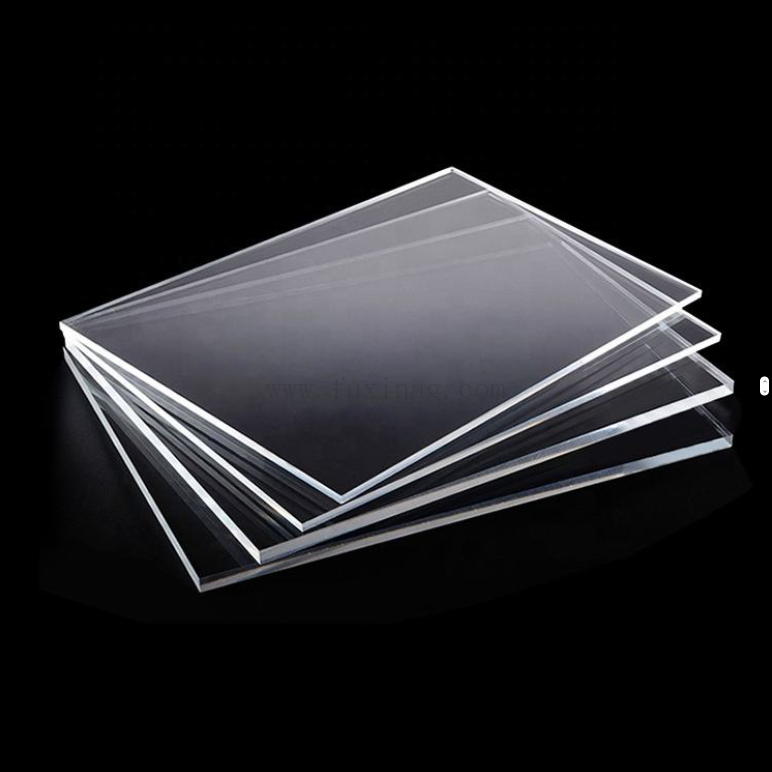
In the high-stakes world of medical technology, display cover glass serves as the critical frontline protector for patient monitors, surgical displays, diagnostic imaging systems, and bedside equipment. It must deliver exceptional optical clarity while withstanding rigorous cleaning protocols, physical impacts, and continuous 24/7 operation. Understanding the precise requirements for medical display cover glass is essential for OEMs and device manufacturers seeking reliable, compliant, and high-performance solutions.
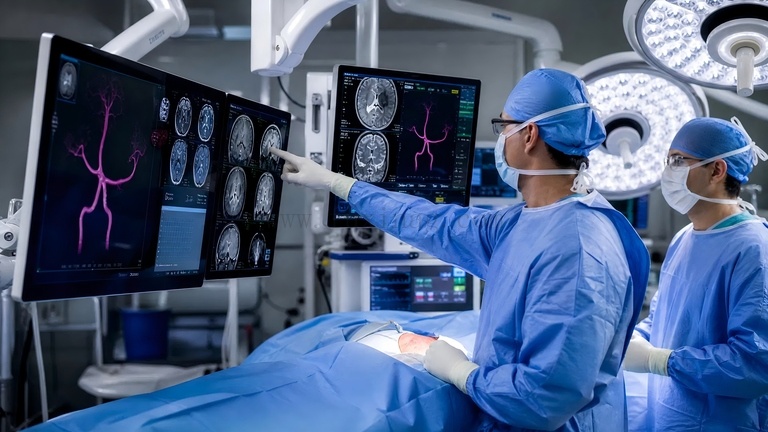
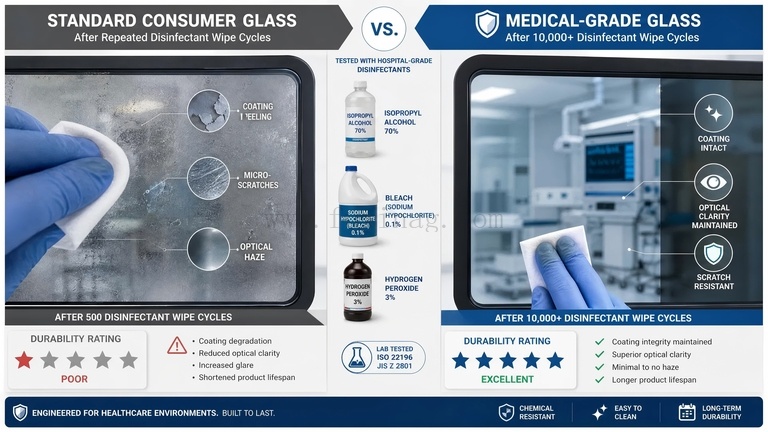
Why Medical Display Cover Glass Demands Stringent SpecificationsUnlike consumer electronics glass, medical-grade cover glass operates in environments where failure is not an option. It protects sensitive LCD/OLED panels from scratches, disinfectants, bodily fluids, and accidental impacts while maintaining image fidelity for accurate diagnosis and monitoring. Key challenges include frequent exposure to hospital-grade cleaners (alcohol, quaternary ammonium compounds, etc.), high ambient lighting in operating rooms, and the need for seamless hygiene.
Core Material and Mechanical RequirementsRecommended Glass Types:
- Aluminosilicate glass (e.g., Corning Gorilla Glass, AGC Dragontrail, Panda Glass) is the preferred choice due to superior strength and optical properties.
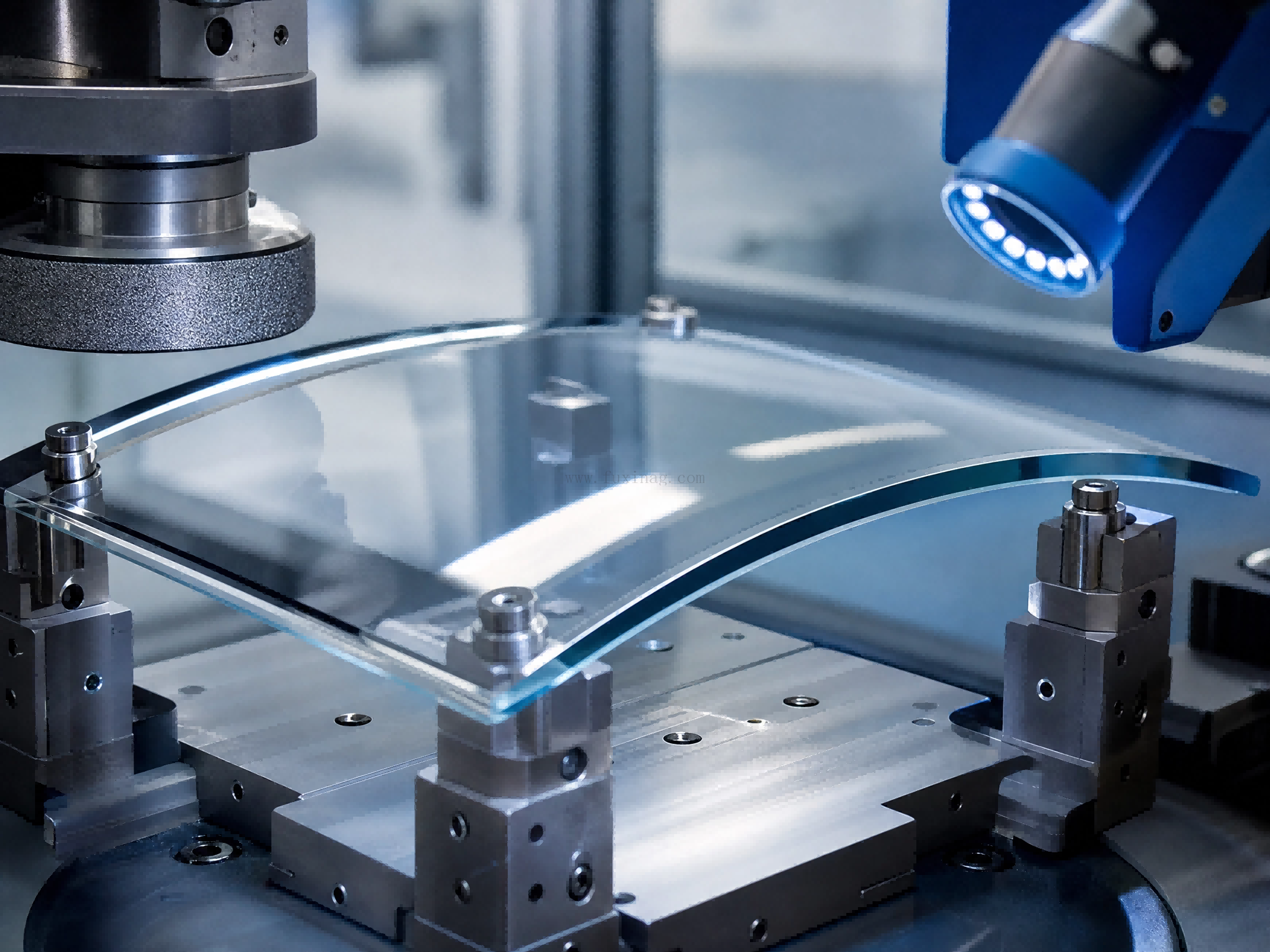
- Chemically strengthened for high compressive stress (>650 MPa) and depth of layer (>40 µm).
- Surface hardness typically 9H (pencil hardness test) for excellent scratch resistance.
Optical Performance Standards
- High Light Transmittance: ≥90–92% for sharp, color-accurate visuals.
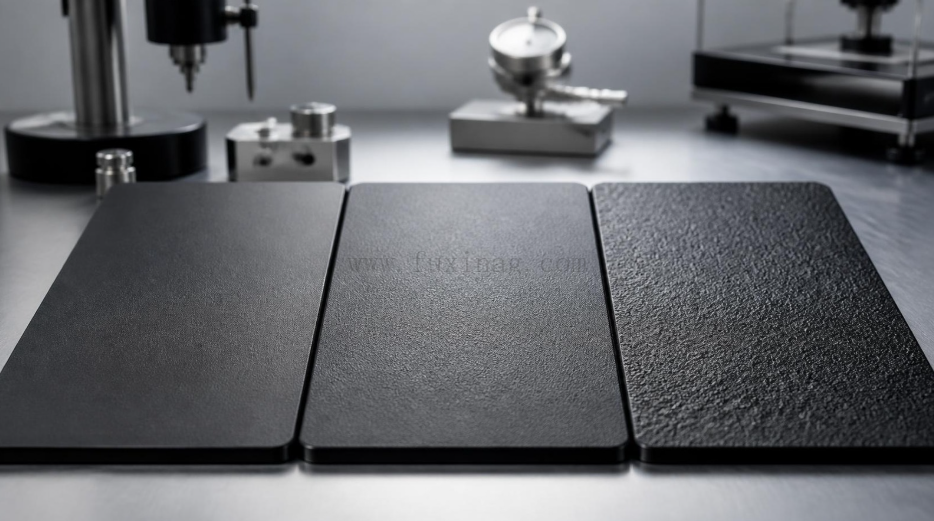
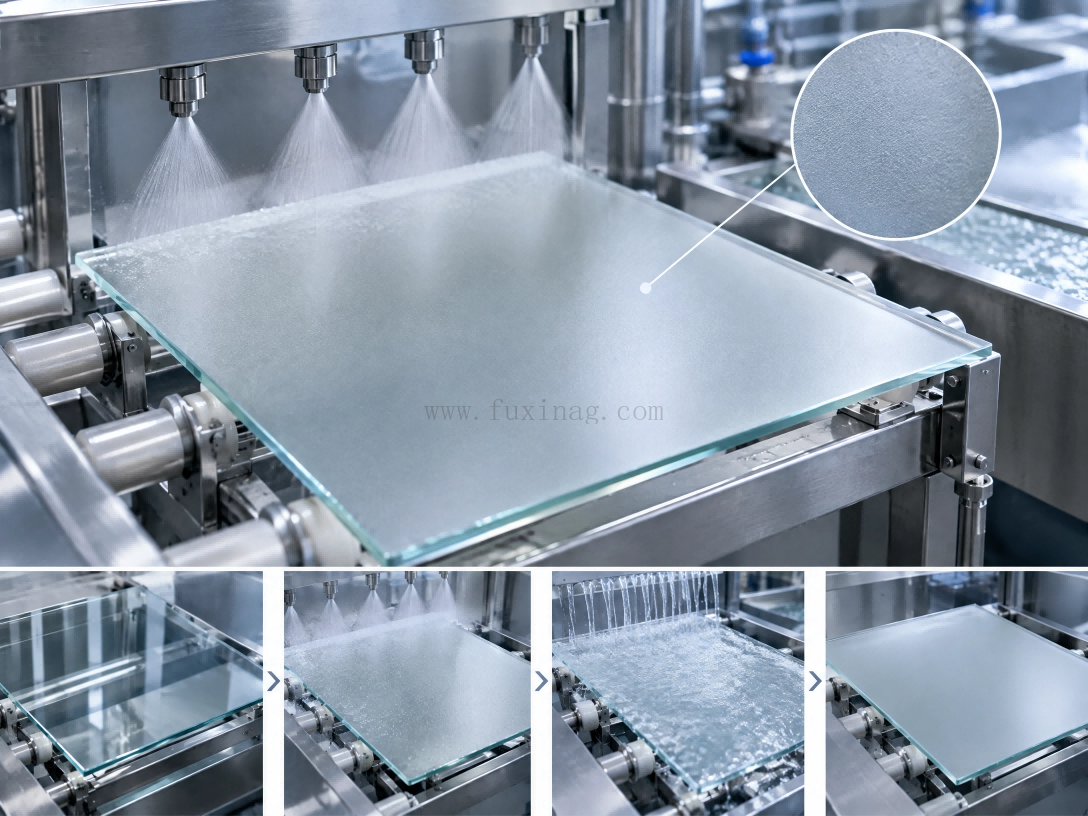
- Anti-Glare (AG): Essential for reducing reflections in bright clinical environments.
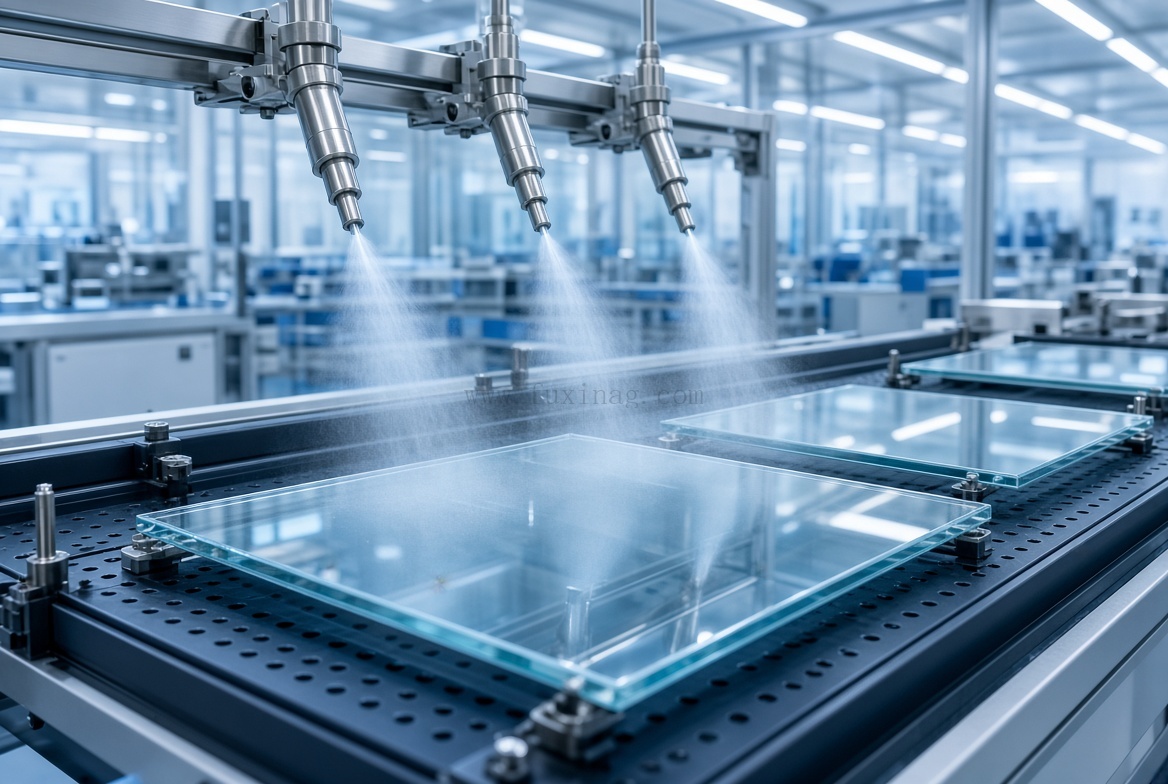
- Anti-Reflective (AR): Multi-layer coatings to minimize surface reflectance (often <0.5–1%) and enhance contrast.
- Anti-Fingerprint (AF)/Oleophobic Coatings: Improve cleanability and reduce smudges from frequent touch interactions.
- Uniformity and low distortion are critical, especially for diagnostic applications.
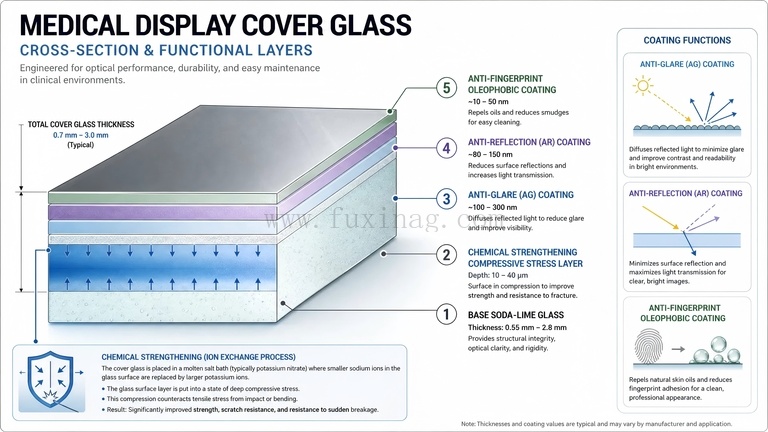
Optical bonding (direct lamination to the display panel) is highly recommended to eliminate air gaps, reduce internal reflections, and boost overall durability.
Chemical and Hygiene ResistanceMedical cover glass must endure repeated disinfection without degradation:
- Resistance to alcohol, disinfectants, and common hospital cleaners.
- Easy-to-clean surface with low surface energy coatings.
- Optional antimicrobial treatments for added infection control.
- IPX1/IPX2 or higher liquid ingress protection in some designs.
Customization for Specific Medical Applications
- Patient Monitors & Bedside Devices: Balanced thickness with excellent touch performance.
- Surgical Displays: High brightness compatibility, AR/AG coatings, and robust impact protection.
- Portable/Handheld: Thinner, lightweight chemically strengthened glass.
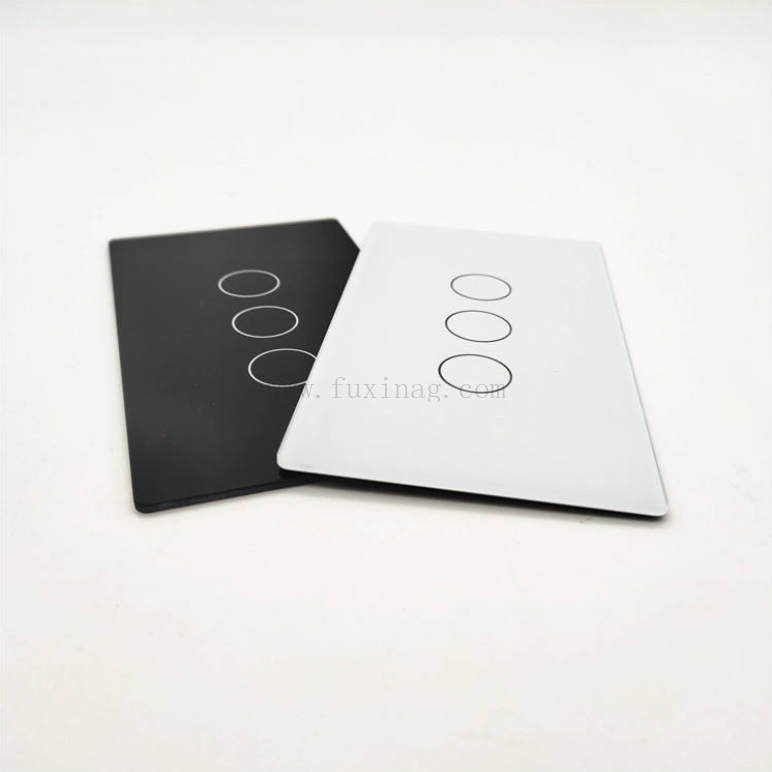
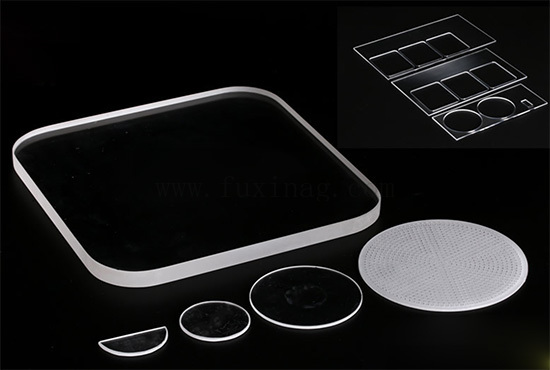
- Custom shapes, cutouts, holes, silk-screen printing (logos, icons), and edge treatments.