

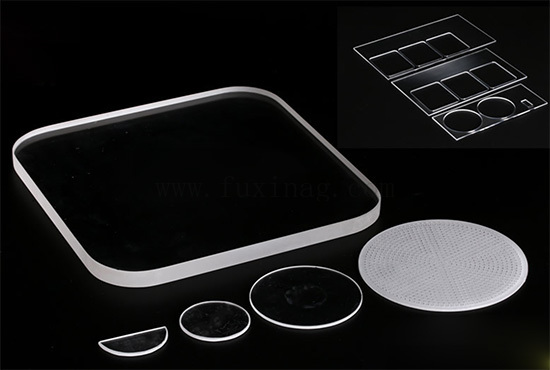
AF Anti-Fingerprint Wet Spray Coating for Smart Device Cover Glass
In the competitive world of smartphones, tablets, wearables, and smart home devices, cover glass must deliver more than just durability and optical clarity. Users demand surfaces that stay clean, resist smudges, and feel smooth under constant touch. This is where AF (Anti-Fingerprint) coating — also known as oleophobic coating — plays a critical role. Among the industrial methods for applying this nano-scale protection, the AF anti-fingerprint wet spraying process stands out for its balance of performance, cost-efficiency, and production scalability.
As a specialized manufacturer of cover glass for intelligent devices, we break down the science, process, and practical advantages of wet spraying AF technology. This overview helps product designers, procurement teams, and OEMs understand how the process works and why it matters for high-volume smart device production.
What Is AF Anti-Fingerprint Coating?
AF coating creates an ultra-thin (typically 10–30 nm or controlled thicker films) hydrophobic and oleophobic layer on glass. Inspired by the lotus leaf effect, it dramatically lowers surface energy. Water contact angles commonly reach ≥110°, while oil (fingerprint) contact angles remain high enough to minimize adhesion of sebum, sweat, and oils.
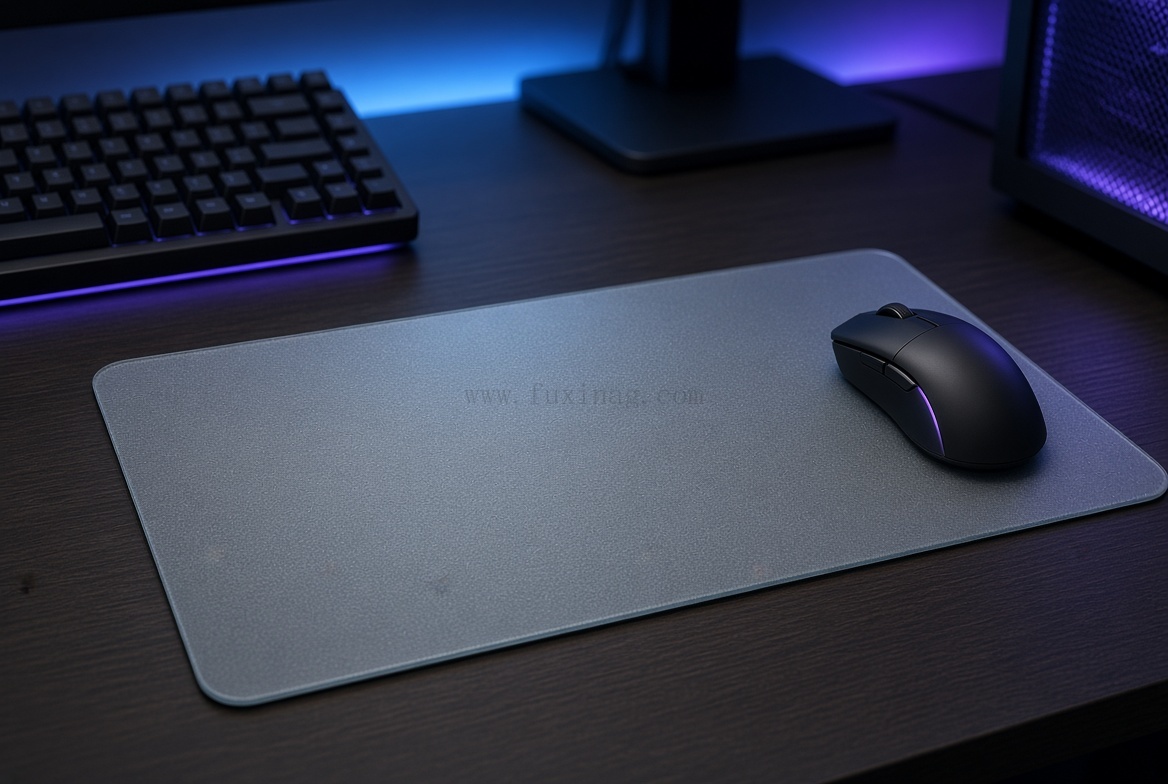
The result: fingerprints and smudges bead up or spread less, become less visible, and wipe away easily with a soft cloth. The coating also improves slipperiness (lower coefficient of friction) for a premium touch feel and protects optical properties without reducing light transmittance.
Most industrial AF materials are fluorosilane or perfluoropolyether (PFPE) silane solutions that chemically bond to activated glass surfaces.
Why Wet Spraying?
Two primary industrial routes exist for AF application on cover glass:
- Vacuum evaporation (PVD): High uniformity and often superior abrasion resistance, but higher equipment cost, batch processing, and lower throughput.
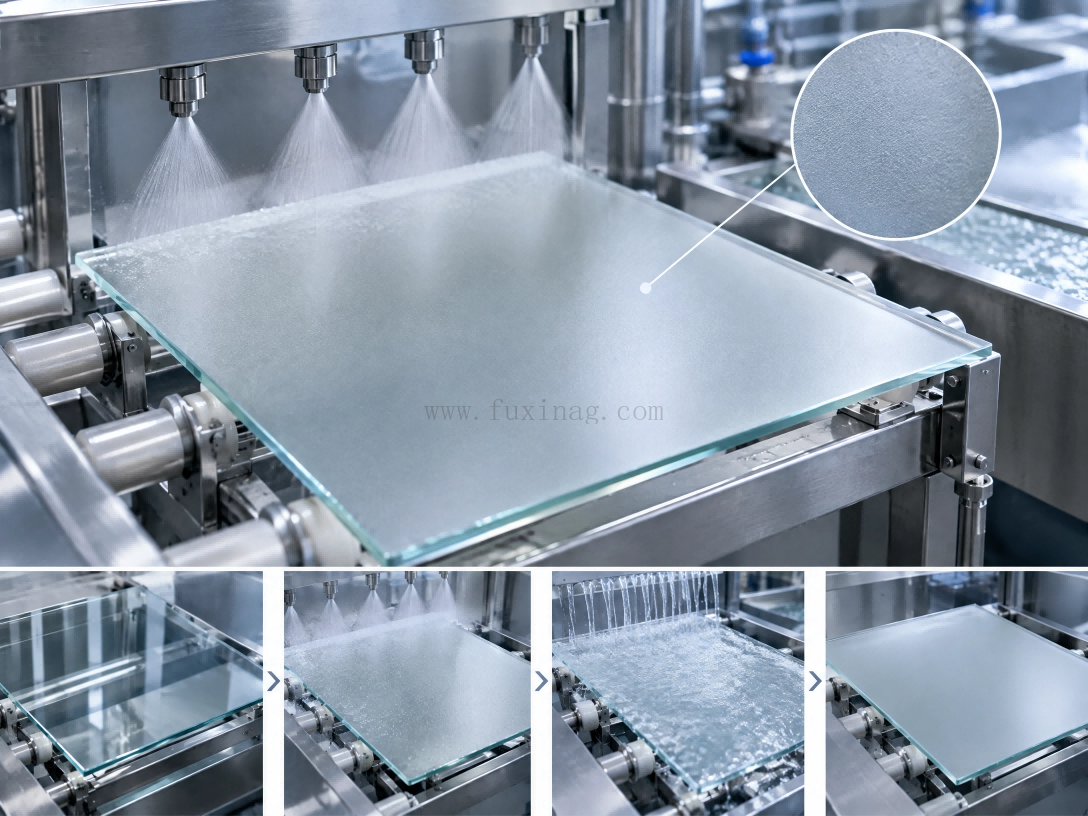
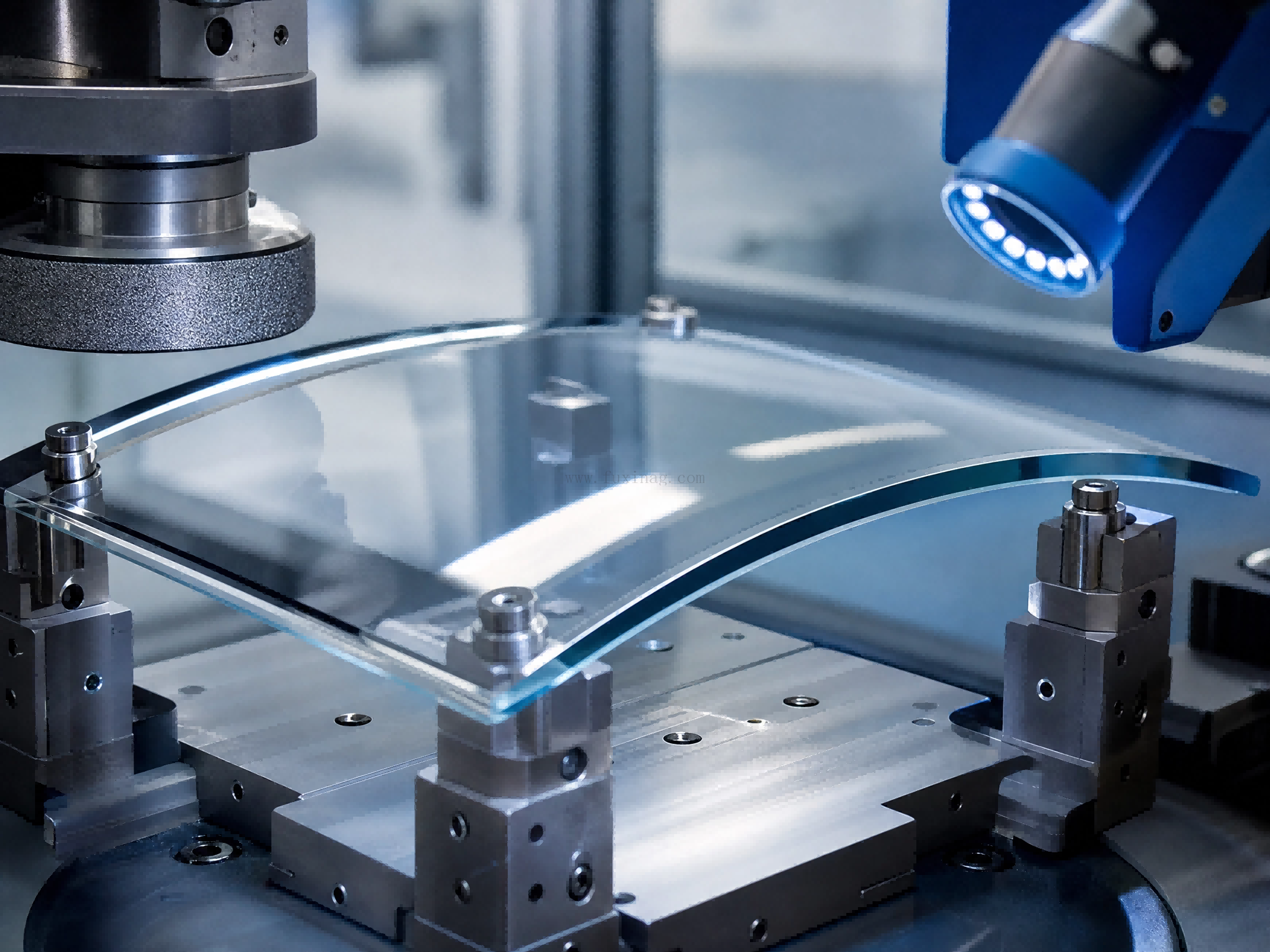
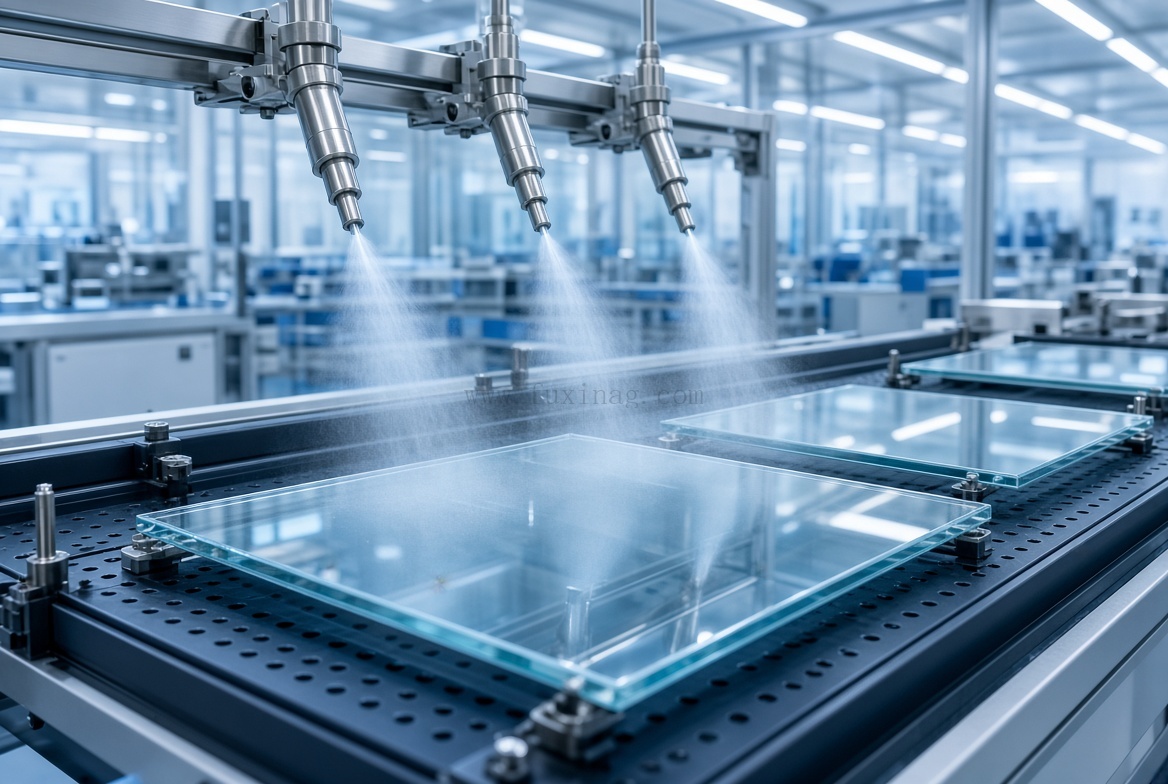
- Wet spraying (solution spraying): Liquid AF formulation is atomized and sprayed onto the glass, then thermally cured. This method offers lower capital investment, continuous or high-speed production lines, higher capacity (often cited around 1,000–2,000+ pieces per hour depending on line design), and greater flexibility for flat, large, or certain 3D/curved parts.
Wet spraying is particularly attractive for mid-to-high volume consumer electronics cover glass where cost, speed, and consistent functional performance are priorities. Plasma pre-treatment is typically combined with spraying to maximize adhesion and durability.
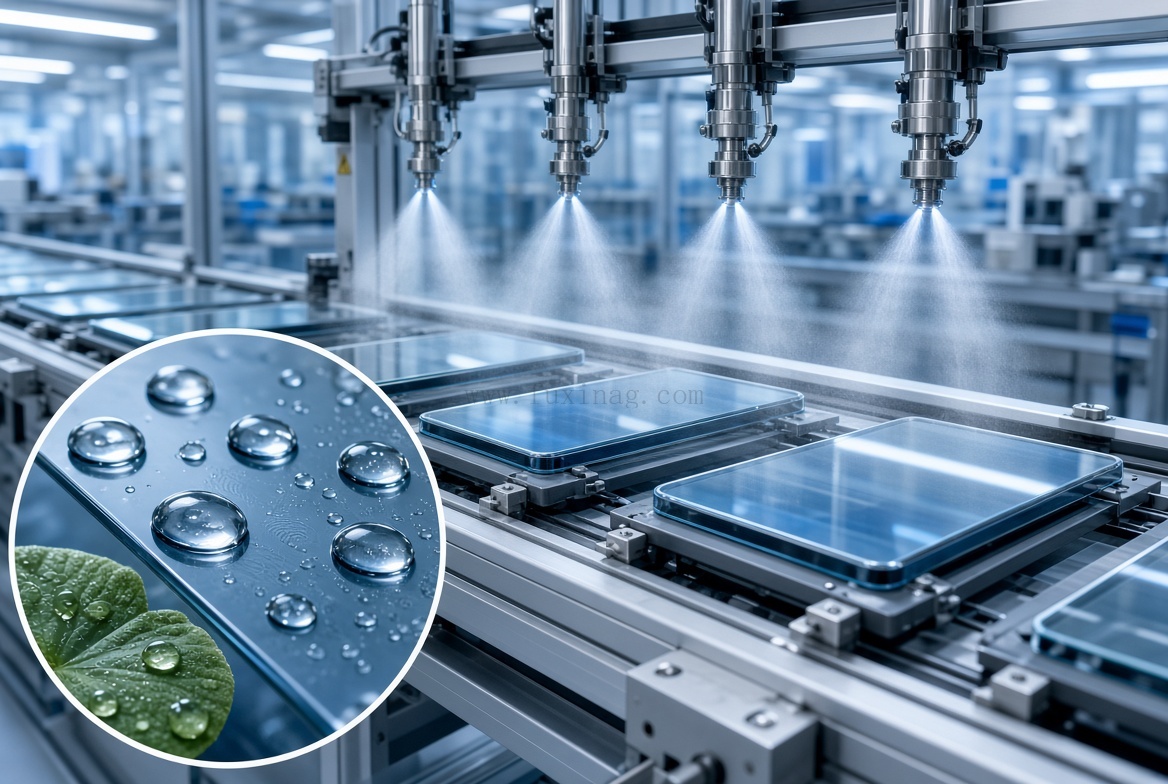
The AF Wet Spraying Process
A typical production sequence includes:
-
Thorough Cleaning and Surface Activation
Glass substrates undergo ultrasonic or chemical cleaning to remove oils, dust, and residues. Plasma (often oxygen or atmospheric plasma) treatment follows. This increases surface hydroxyl groups and raises surface energy so the AF molecules can form strong chemical bonds (Si–O linkages). Proper activation is essential for abrasion resistance and long-term performance. -
AF Solution Preparation and Spraying
A diluted fluorosilane/AF liquid is atomized using high-pressure, ultrasonic, or precision spray nozzles. The solution is applied uniformly in a controlled environment. Parameters such as spray distance, pressure, speed, and environmental humidity are tightly managed to avoid defects like coffee-ring effects or uneven thickness. Single-side coating is common and efficient for cover glass. -
Curing / Baking
The coated glass enters a tunnel oven or batch oven. Typical curing ranges from approximately 120–180°C for 10–30 minutes (exact conditions depend on the formulation). Heat drives cross-linking and strengthens adhesion of the nano-layer to the glass. Some advanced formulations allow lower-temperature or even ambient curing options. -
Inspection and Quality Control
Finished parts are checked for contact angles (water and oil), optical clarity, film uniformity, and abrasion resistance (e.g., steel-wool tests under controlled load for thousands of cycles while maintaining high contact angles). Additional tests may include chemical resistance (sweat, cleaners) and environmental durability.
The entire wet process integrates well into continuous production lines with relatively compact equipment footprints compared with large vacuum systems.
Applications Across Intelligent Devices
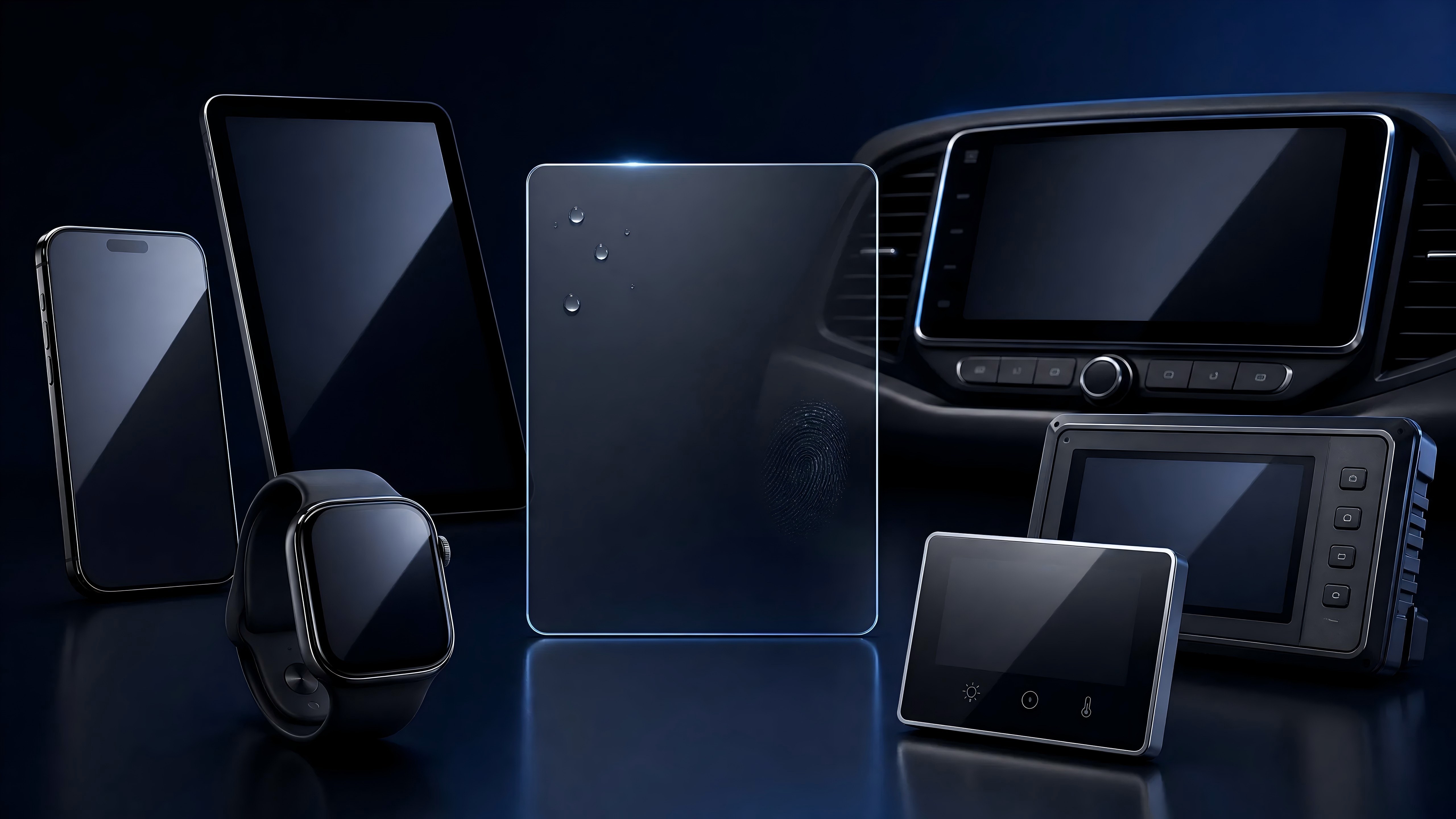
AF wet-sprayed cover glass is widely used in:
- Smartphone and foldable device front covers
- Tablet and laptop touch panels
- Wearable device displays and watch glass
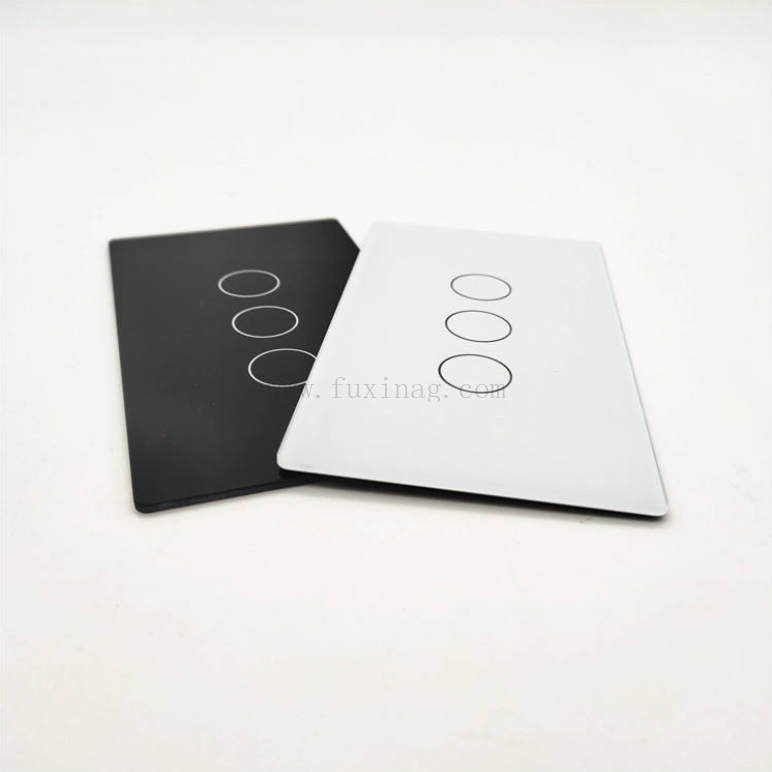
- Automotive center displays and smart home control panels
- Other high-touch transparent interfaces
The AF wet spraying process continues to evolve with improved formulations (higher abrasion resistance, better alkali/sweat resistance, lower curing temperatures) and more automated, precision spray systems. For cover glass factories serving global smart device brands, mastering this technology enables competitive pricing without sacrificing the clean, premium feel users expect.
Whether you are developing next-generation smartphones, tablets, or smart wearables, understanding the science and practical advantages of AF anti-fingerprint wet spraying helps you specify the right cover glass solution. For technical discussions, process capability details, or custom cover glass requirements, Fuxin Glass with dedicated AF wet coating lines are ready to support precise engineering and volume production needs.