From Prototype to Mass Production: How to Source Reliable Custom AG Anti-Glare Cover Glass from a Specialized Manufacturer?
Custom AG (Anti-Glare) cover glass is a critical component for touchscreen devices used in industrial HMI panels, automotive displays, medical equipment, outdoor kiosks, POS terminals, and consumer electronics. It scatters reflected light through controlled surface micro-texture (diffuse reflection), reducing glare under bright or outdoor lighting while preserving usable clarity and touch performance.
Sourcing it reliably—especially moving from prototype validation to consistent mass production—depends on choosing a specialized manufacturer with process control, optical expertise, and scalable capacity rather than a general glass processor.

What Is AG Anti-Glare Cover Glass and Why It Matters
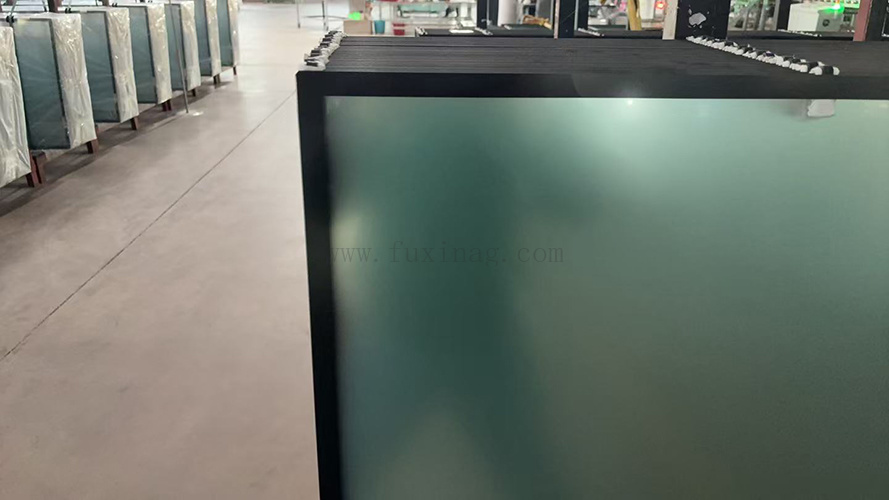
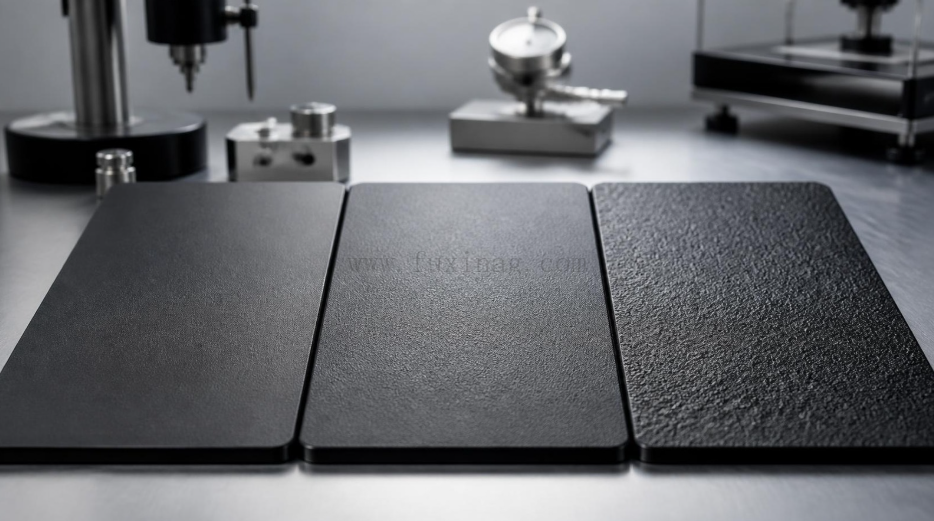
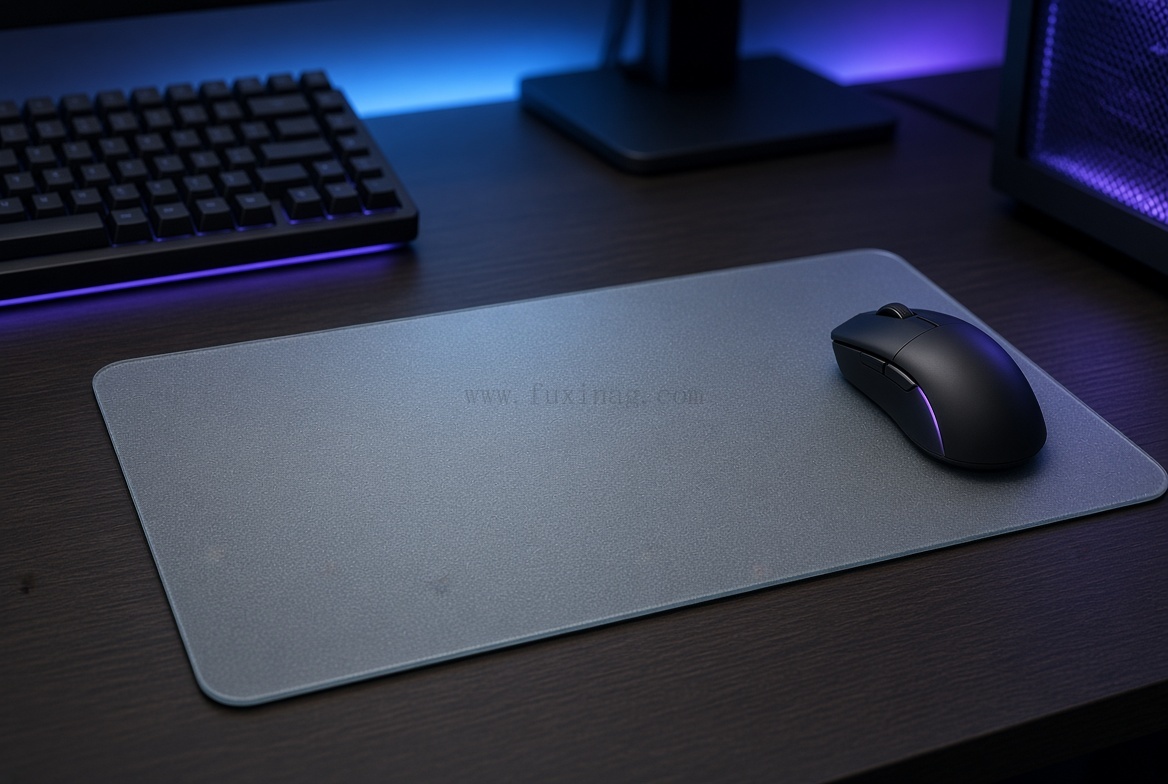
Standard cover glass produces specular (mirror-like) reflections that wash out displays in high ambient light. AG treatment creates a controlled microscopic surface roughness that converts much of that reflection into diffuse scatter. The result is better readability and reduced eye strain without fully sacrificing transmittance or image sharpness.
Two main industrial methods dominate custom cover glass production:
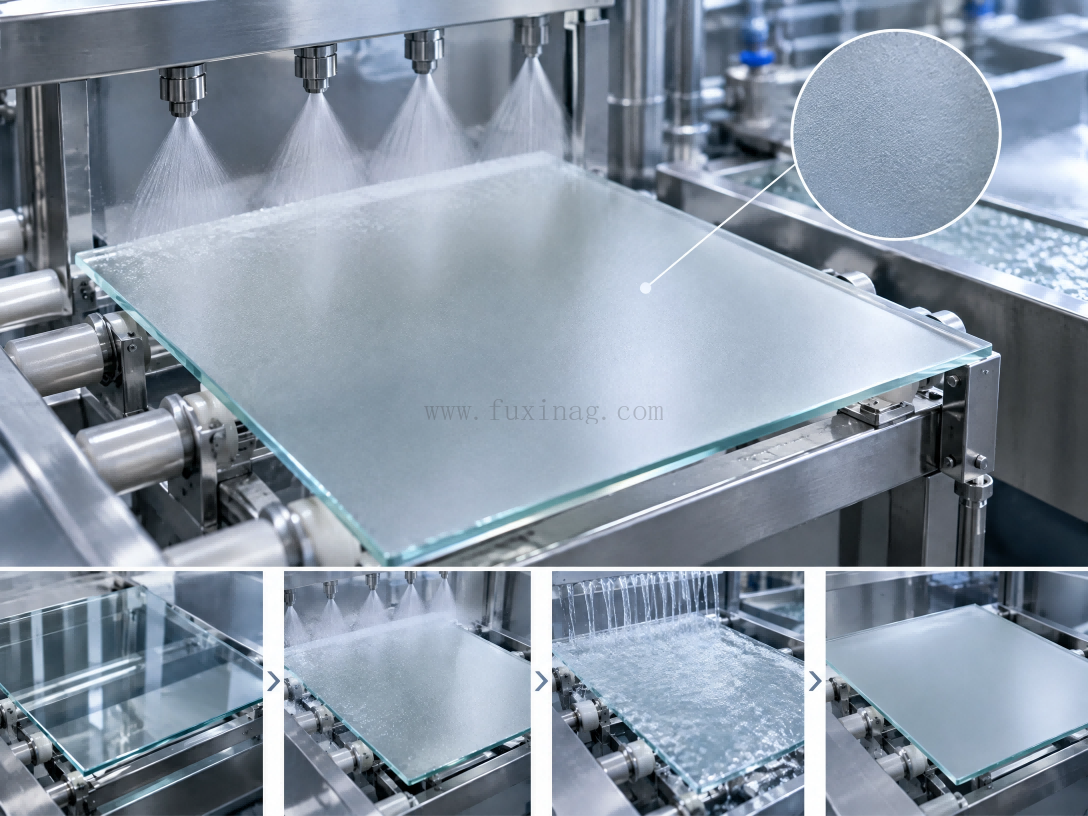
- Chemical etching (HF-based): Permanently modifies the glass surface itself by forming micro-pits. Highly durable (surface hardness essentially that of the strengthened substrate, typically 7–9H), excellent batch consistency, strong chemical and abrasion resistance. Preferred for long-life outdoor, automotive, industrial, and high-touch applications.
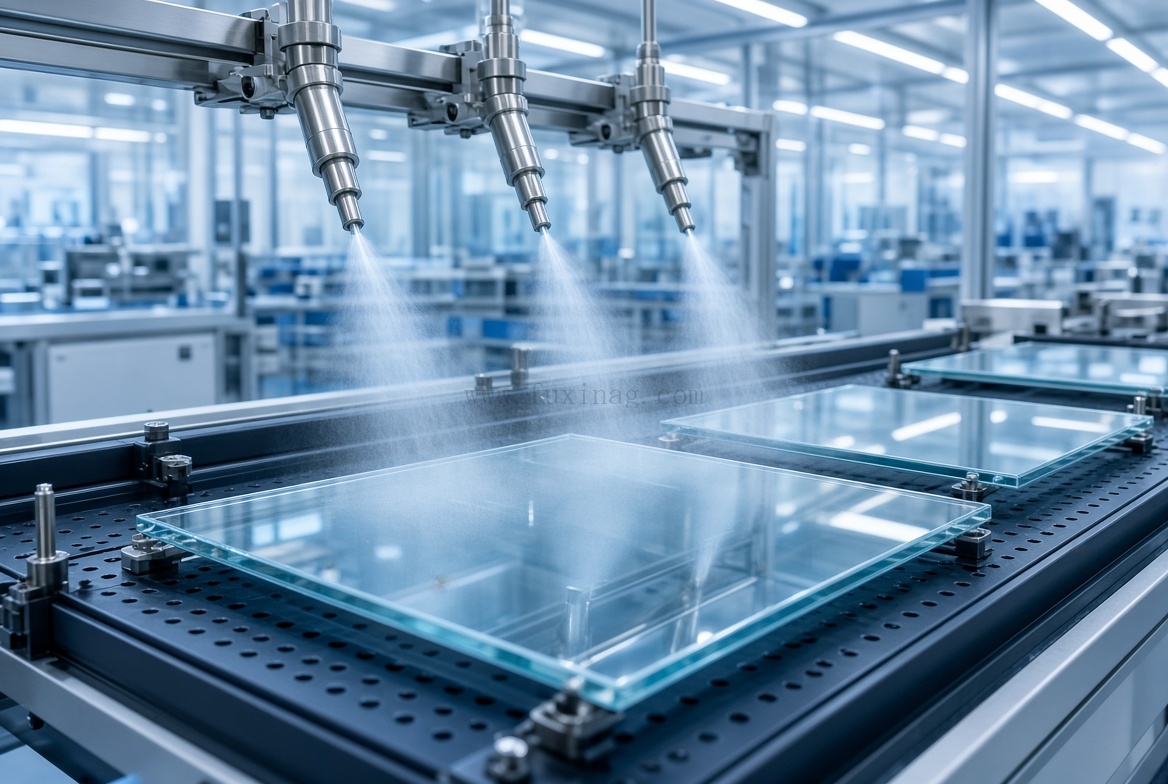
- Spray coating (nano-particle/sol-gel): Applies a light-diffusing particle layer that is cured on the surface. Lower cost, faster for large volumes, flexible haze/gloss tuning, but lower hardness (typically 2–4H) and potential wear or degradation over years of heavy use. Suitable for indoor or shorter-lifecycle products.
Optional combinations with AR (anti-reflective) coatings and AF (anti-fingerprint/oleophobic) layers are common for optimized optical and user-experience performance.
Typical controllable ranges (application-dependent and tunable by specialized manufacturers):
- Gloss (60°): roughly 10–130 GU
- Haze (ASTM D1003): ~1–28%+ (higher for stronger diffusion; balance against clarity)
- Transmittance: often ≥88–95% depending on substrate and process
- Surface roughness (Ra): commonly 0.05–3 µm range
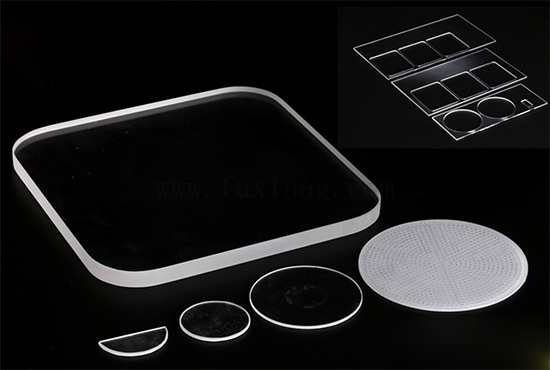
- Compatibility with chemical strengthening, CNC shaping, edge polishing, silk-screen printing, holes/notches, and optical bonding readiness
Why Partner with a Specialized AG Cover Glass Manufacturer
General fabricators or traders often struggle with tight optical tolerances, consistent yield from prototype to volume, and full customization. A specialized manufacturer typically offers:
- In-house AG process control (etch chemistry/parameters or coating formulation/equipment) for tight haze/gloss/transmittance windows and low sparkle.
- Low-MOQ prototyping with rapid iterations, then seamless scaling.
- Integrated capabilities: material selection (soda-lime, aluminosilicate, high-strength glass), chemical or thermal strengthening, precision CNC, printing, and multi-layer coatings.
- Quality systems (ISO 9001 common) with documented testing against ASTM D1003 (haze/transmittance), ASTM D523 (gloss), ISO 4287 (roughness), ASTM D3363 (hardness), abrasion, and environmental tests.
- English-language engineering communication and clear documentation for overseas customers—critical for precise inquiries and reduced risk of mis-specification.
The Process: From Prototype to Mass Production
A reliable specialized partner follows a structured, iterative flow:
-
Requirements Definition and Design Review
Share application environment (indoor/outdoor, lighting conditions), target optical specs (haze/gloss/transmittance), mechanical needs (thickness 0.3–several mm typical, strength, edge treatment), shape, cutouts, printing, and volume roadmap. Engineering feedback on manufacturability and optical trade-offs happens early. -
Material and Process Selection
Substrate choice balances cost, strength, and optical base. AG method (etch vs. spray) is selected based on durability, cost, and volume. Strengthening is scheduled appropriately (often after or coordinated with AG depending on process). -
Rapid Prototyping
Low-quantity samples (often starting from hundreds or lower with flexible specialized suppliers) are produced quickly for optical measurement, touch sensitivity verification, environmental testing, and design fit. Multiple iterations are normal to lock haze/gloss feel and clarity. -
Validation and Pre-Production
Full optical, mechanical, and reliability testing. Process parameters are locked. Tooling or fixtures for shaping/printing are finalized. Yield and consistency data are reviewed. -
Mass Production Scale-Up
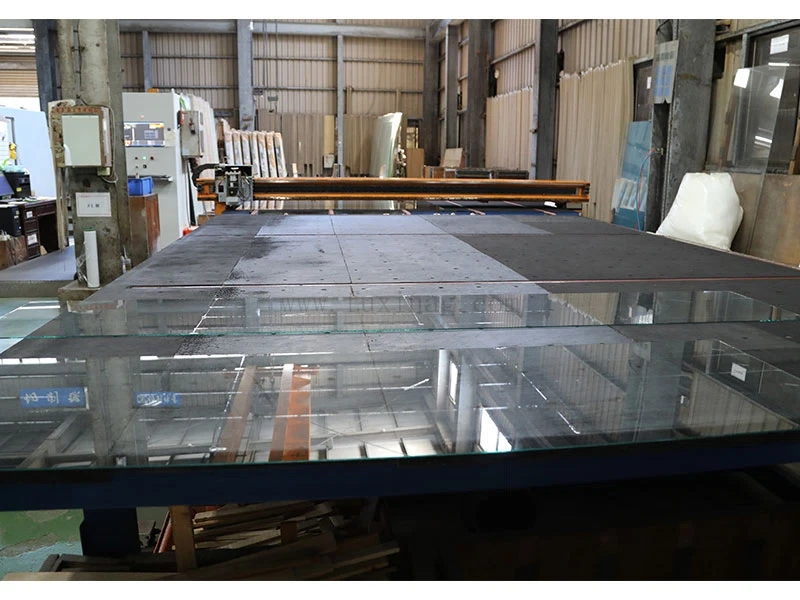
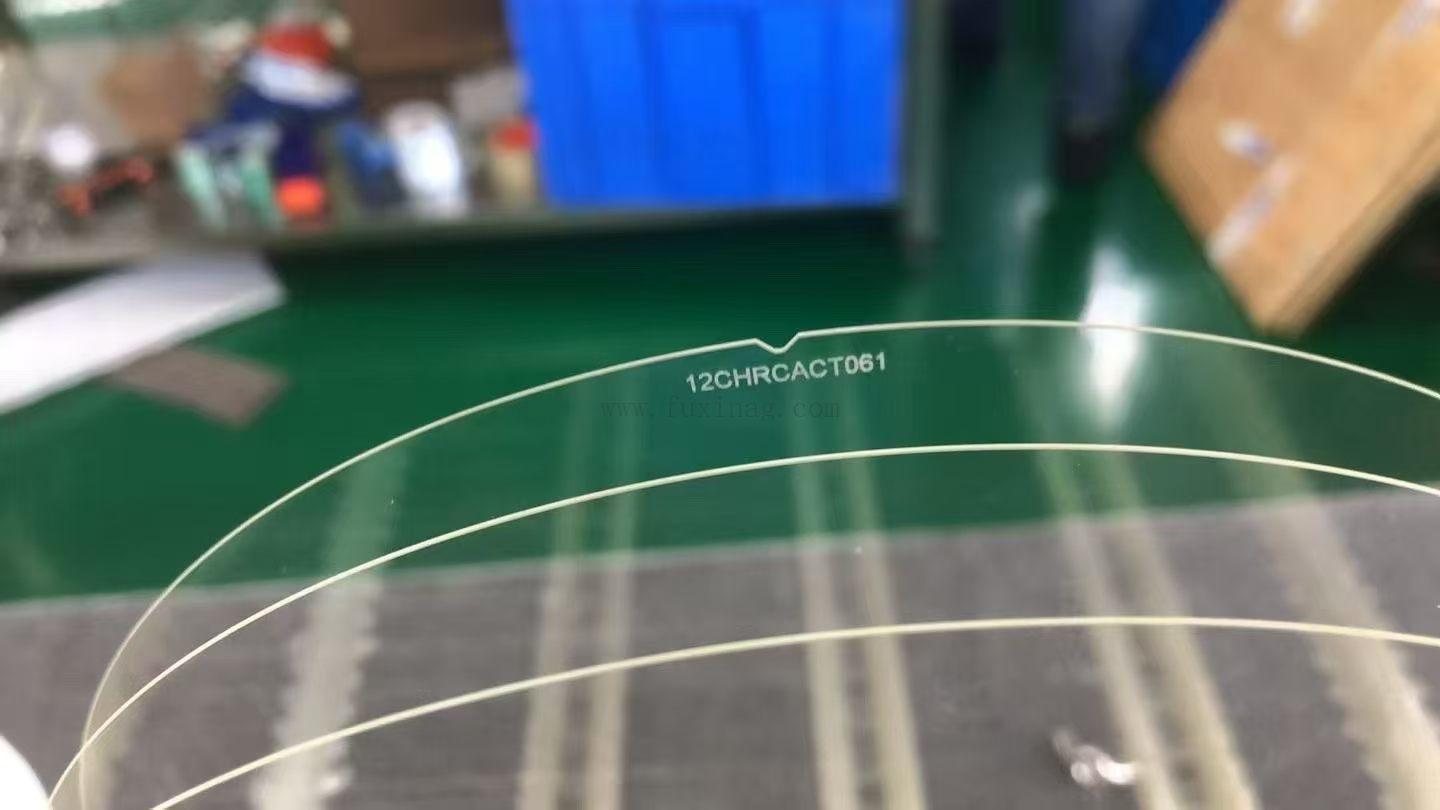
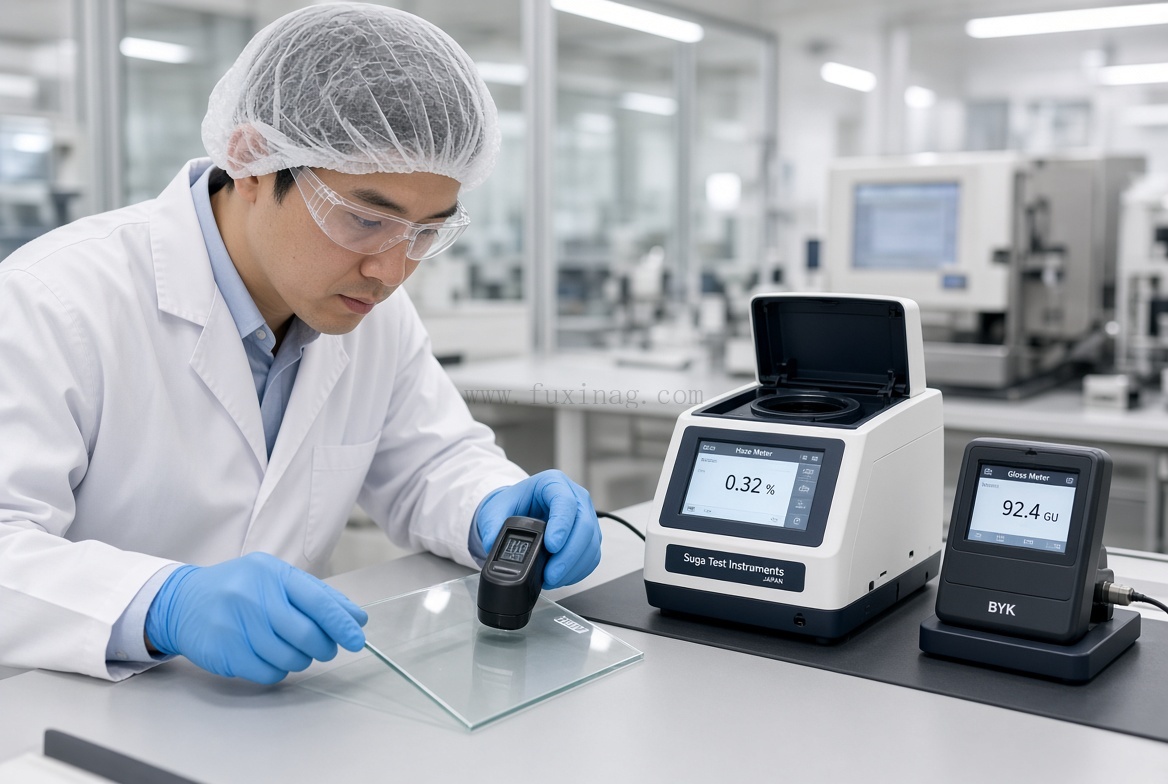
Controlled process windows, in-line or batch inspection (haze meter, gloss meter, visual, dimensional), statistical process control, and traceability. Packaging and logistics suited for overseas delivery. Specialized factories maintain batch-to-batch consistency (often within a few GU or low single-digit % haze variation when well controlled).
How to Evaluate and Engage a Specialized Manufacturer
- Request process capability data, sample reports, and material/process options.
- Start with a prototype RFQ including drawings, target optical specs, quantities, and timeline.
- Assess communication responsiveness and engineering depth (critical for overseas custom work).
- Confirm scalability path, quality certifications, and inspection methods.
- Review total cost of ownership: initial piece price plus durability, yield consistency, and support for design changes.
Specialized manufacturers reduce the common risks of optical mismatch, coating failure in the field, or inability to scale cleanly from a successful prototype.
Conclusion
Reliable custom AG anti-glare cover glass from prototype through mass production requires optical process expertise, tight quality control, customization capability, and clear communication. Partnering with a specialized manufacturer Like Fuxin Glass minimizes specification risk, supports rapid iteration, and delivers consistent volume performance that general suppliers often cannot match.
If you are developing or scaling a touchscreen product and need custom AG cover glass engineered to your exact optical, mechanical, and volume requirements, share your drawings and target specifications for a technical review and quote. Specialized factories experienced in full-process control are positioned to support precise overseas custom projects from first samples to production.