

Products News
0102030405
What Mainstream Silk Screen Printing Processes for Smart Switch Cover Glass?
2026-09-30
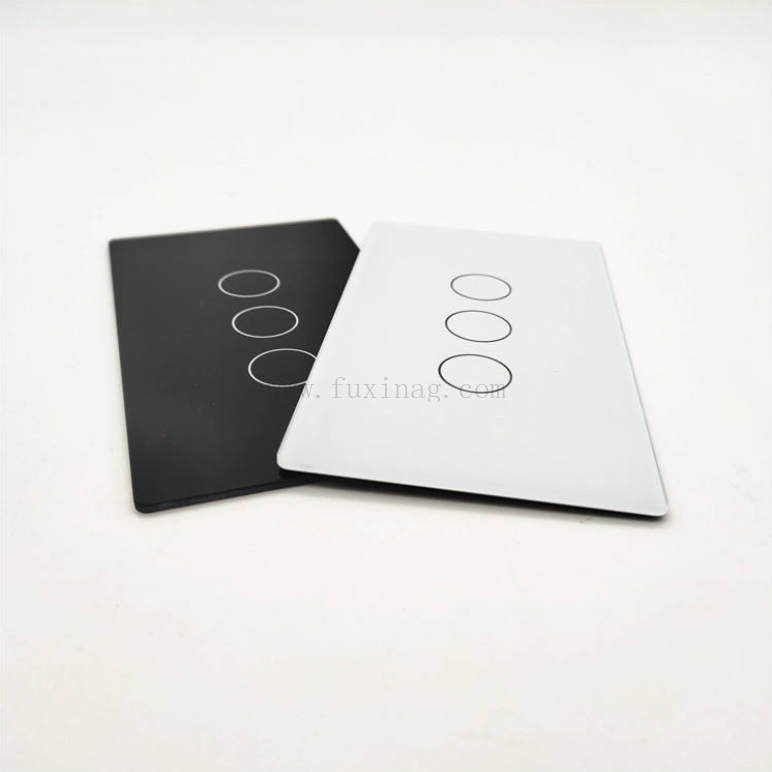
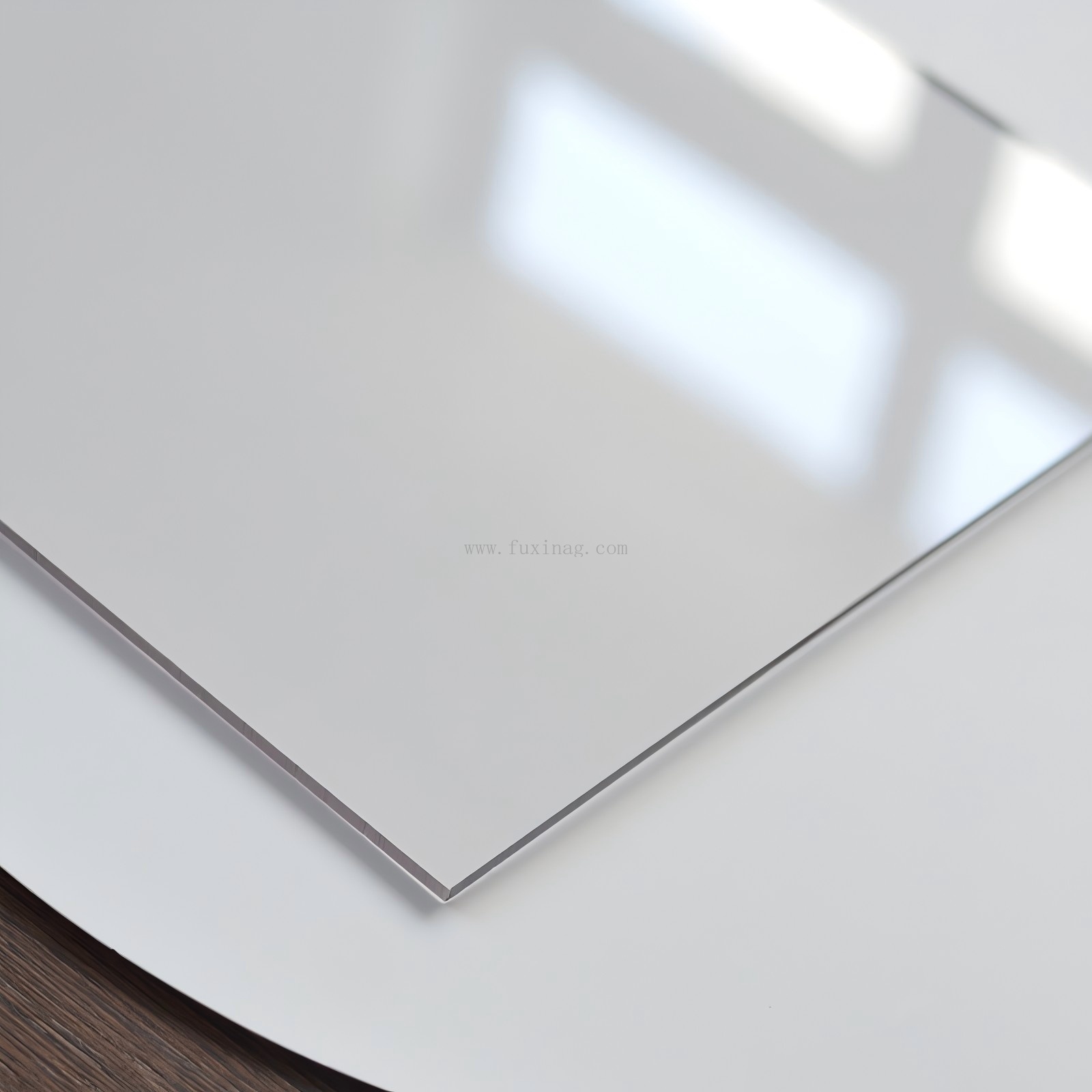
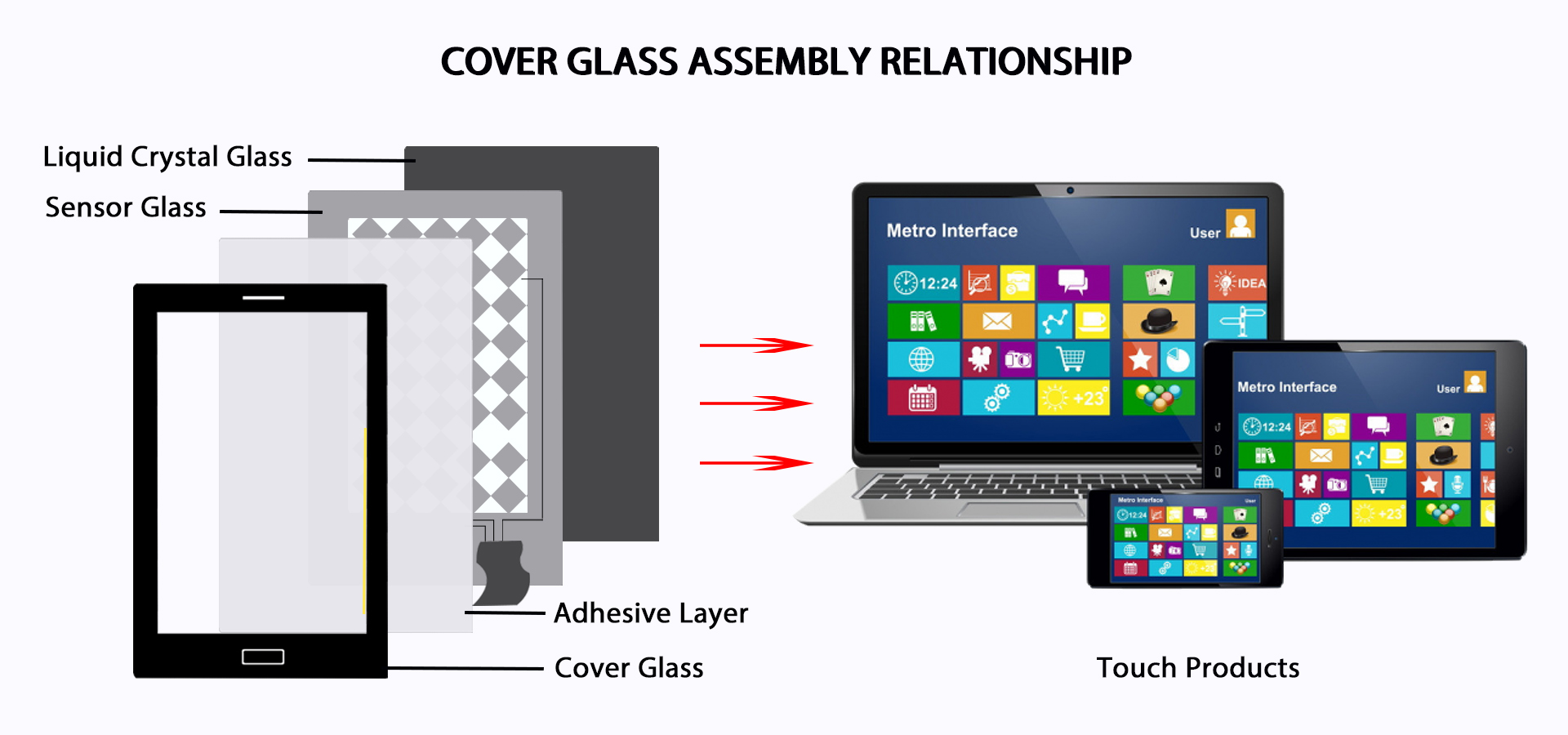
In the rapidly growing smart home market, the cover glass on intelligent switch panels is far more than a protective surface. It is the primary interface users touch every day — demanding crystal-clear aesthetics, fingerprint resistance, long-term durability, and seamless compatibility with capacitive touch sensors.
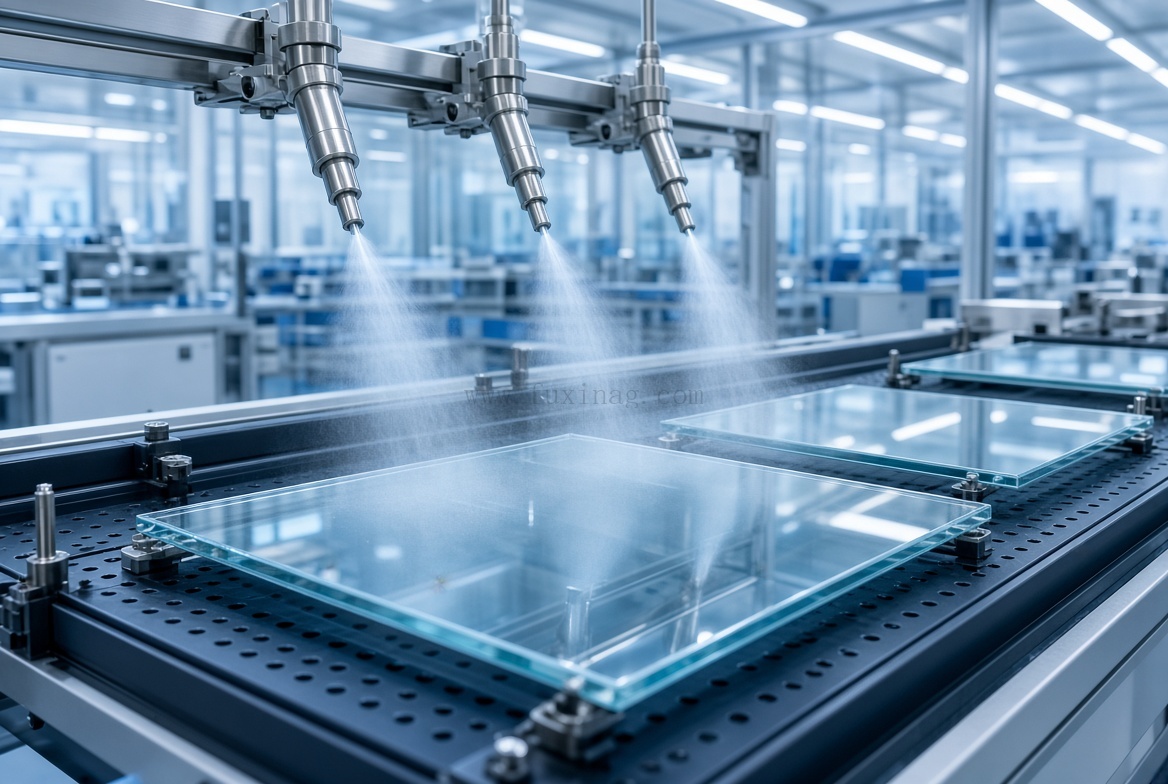
Silk screen (screen) printing remains the dominant and most cost-effective process for applying icons, logos, black masks, status indicators, and decorative patterns onto these tempered glass covers.
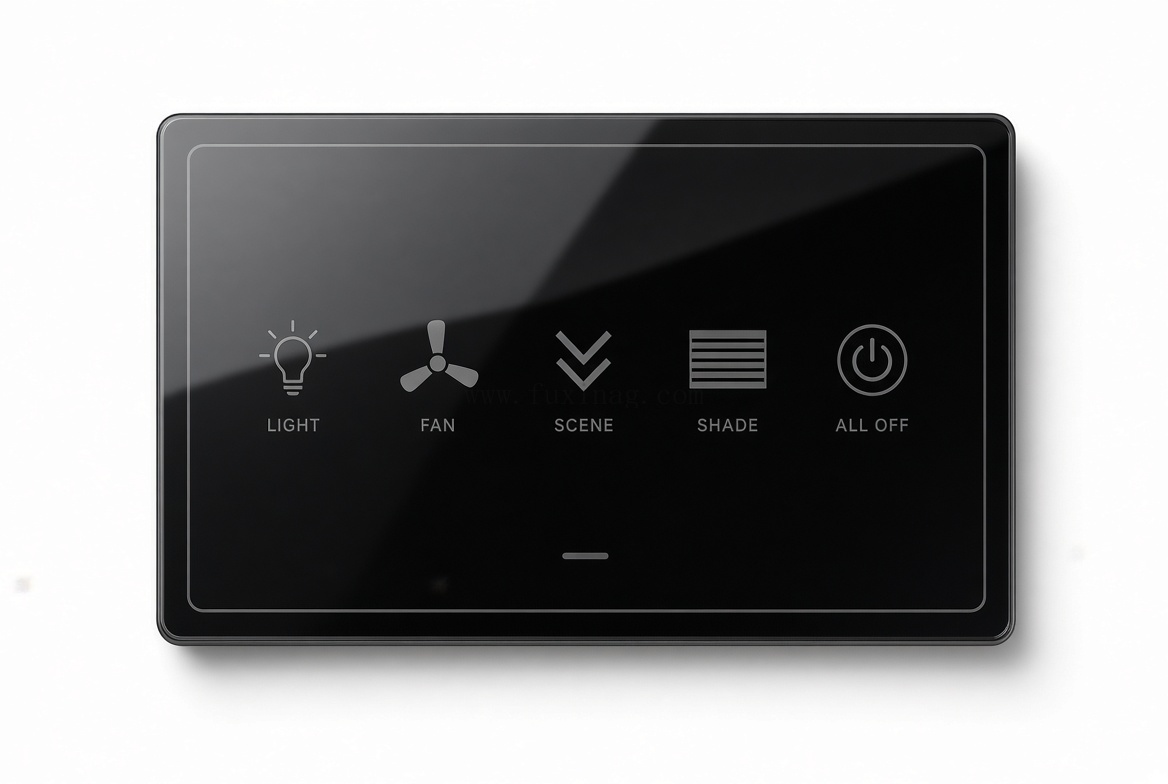
Why Silk Screen Printing Dominates Smart Switch Cover Glass Production?
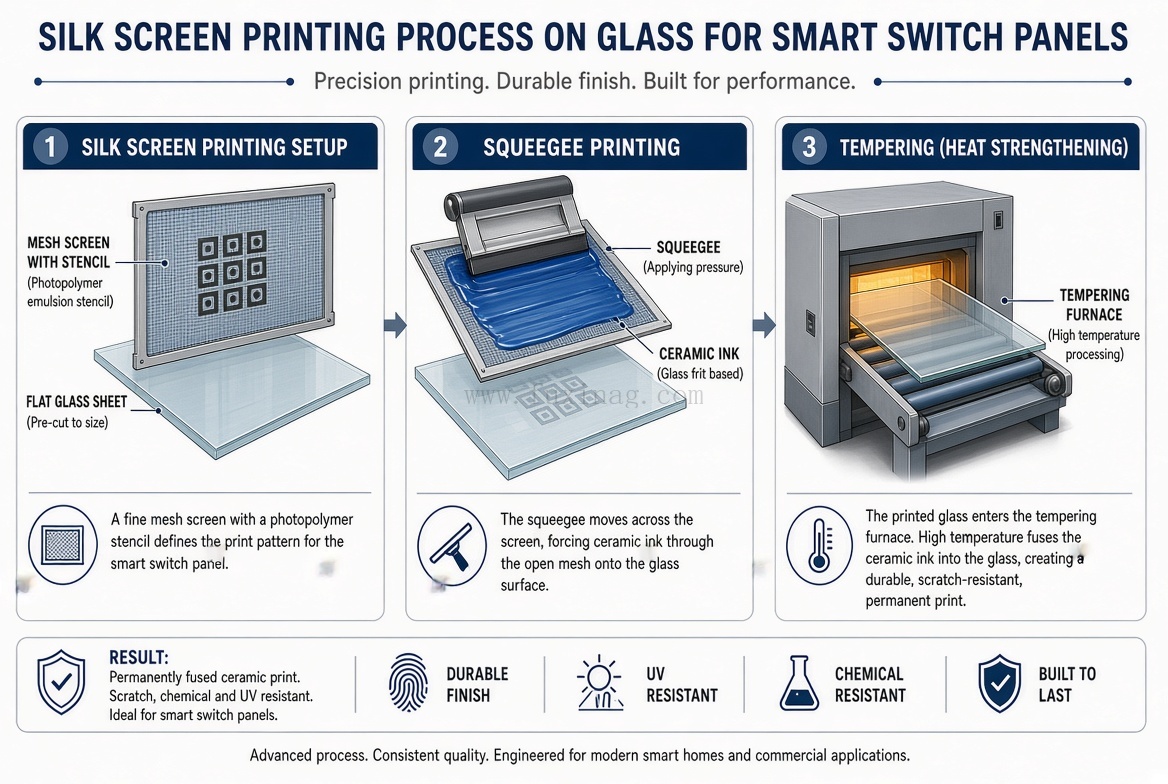
Silk screen printing transfers specialized inks through a finely meshed stencil onto the glass surface using a squeegee. For cover glass used in smart switches, this method offers:
- High precision (registration typically ±0.1 mm)
- Excellent opacity for black masks and light-blocking borders
- Multi-layer capability (icons + colors + protective layers)
- Compatibility with tempered or chemically strengthened glass (common thicknesses 2–6 mm, ultra-clear or low-iron options)
- Cost-effectiveness for volume production while supporting customization
Two Mainstream Processes: High-Temperature vs. Low-Temperature Silk Screen Printing
1. High-Temperature Silk Screen Printing (Ceramic Frit / Enamel Process)
This is the preferred method for most durable smart switch panels.
Used when finer color detail, multi-color designs, or printing on already-tempered glass is required.
This is the preferred method for most durable smart switch panels.
- Sequence: Print ceramic frit ink (glass enamel mixed with metal-oxide pigments) onto annealed (non-tempered) glass → dry → heat in the tempering furnace at approximately 600–700 °C.
- During tempering the ink fuses molecularly with the glass surface, becoming permanently bonded.
- Advantages: Extreme scratch resistance, chemical resistance, UV stability, and heat resistance. The print will not peel, fade, or wear under daily finger contact or cleaning. Ideal for high-traffic residential and commercial smart switches.
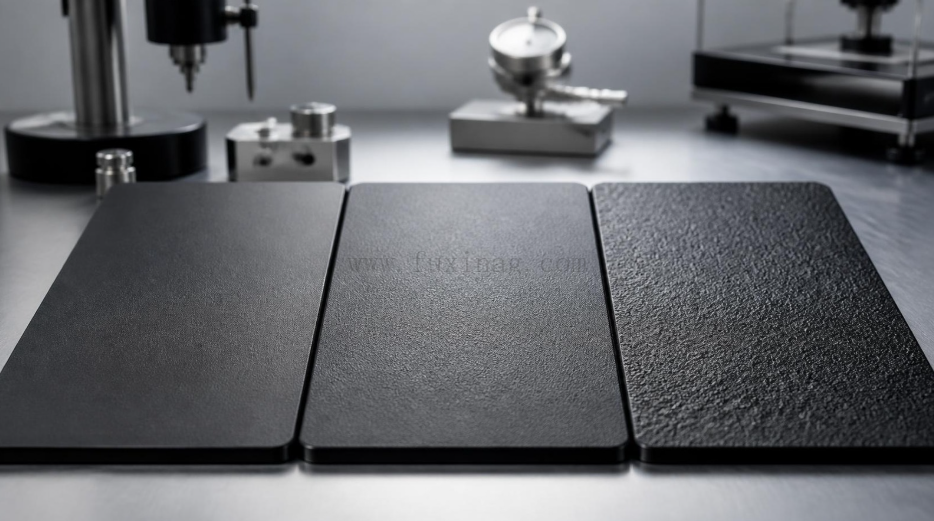
- Typical results: Solid black or white borders, icons, and logos with excellent opacity. Mesh counts often range from 80–400 threads/inch depending on detail requirements. Ink film thickness is typically 15–40 µm.
Used when finer color detail, multi-color designs, or printing on already-tempered glass is required.
- Sequence: Thorough cleaning and optional plasma/pre-treatment of tempered glass → print UV-curable or thermal-curable inks → UV exposure or low-temperature baking (generally under 150–200 °C).
- Advantages: Broader color range, brighter appearance, and suitability for complex multi-layer or gradient effects. Faster turnaround for certain designs.
- Common for decorative icons, indicator windows, or panels where maximum heat resistance is less critical. Often combined with high-temp printing for hybrid performance.
Standard Production Workflow for Smart Switch Cover Glass
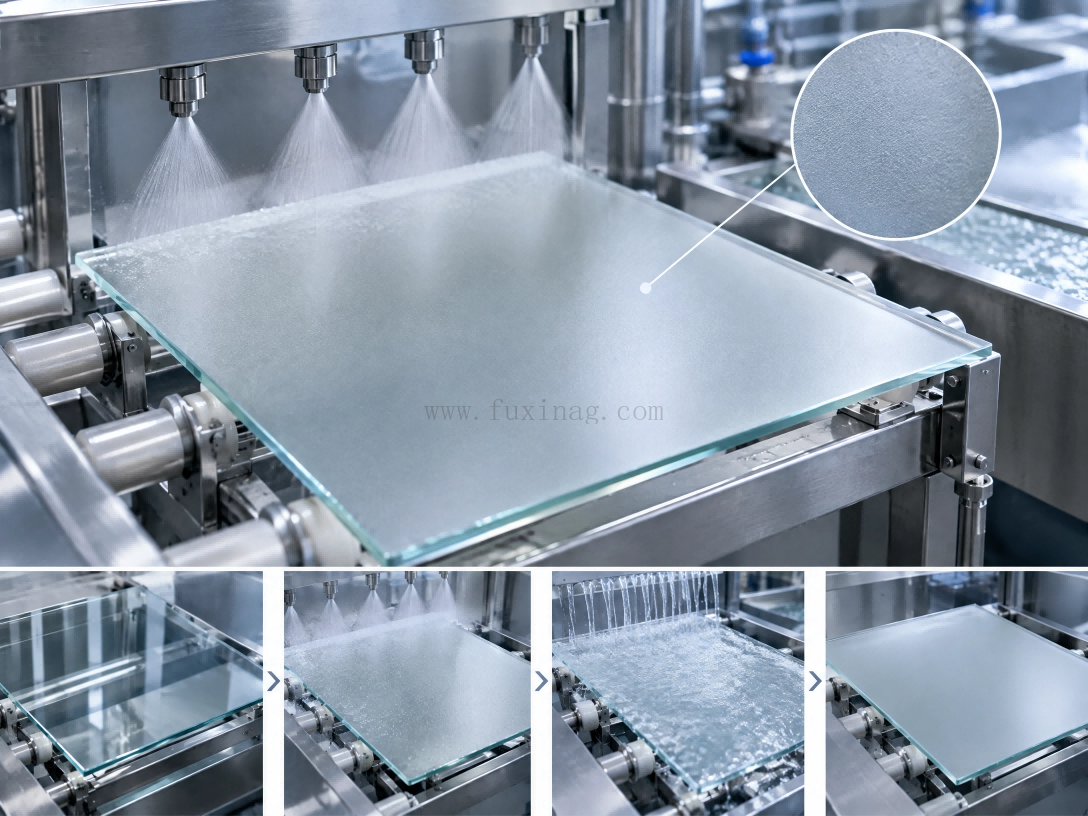
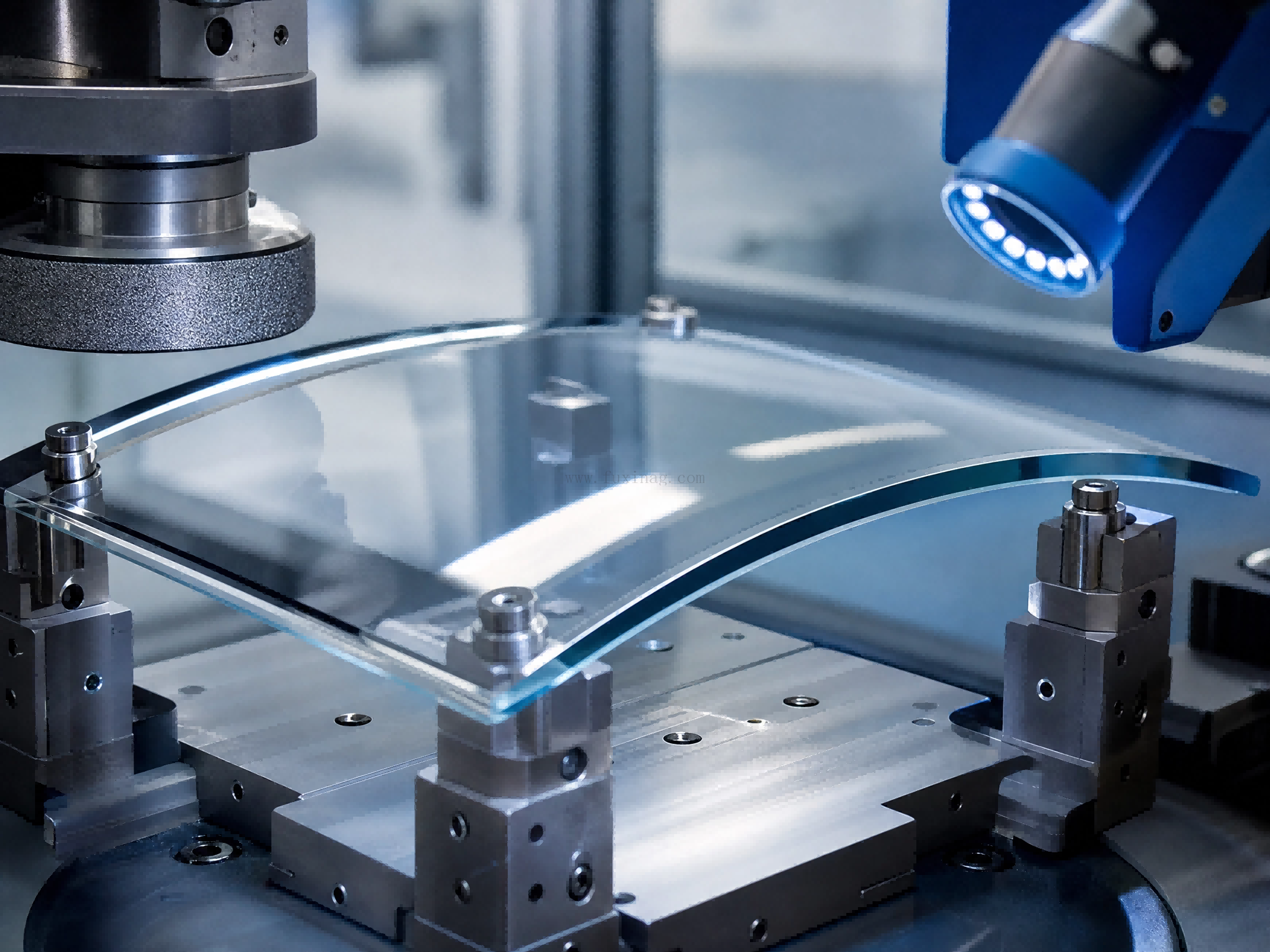
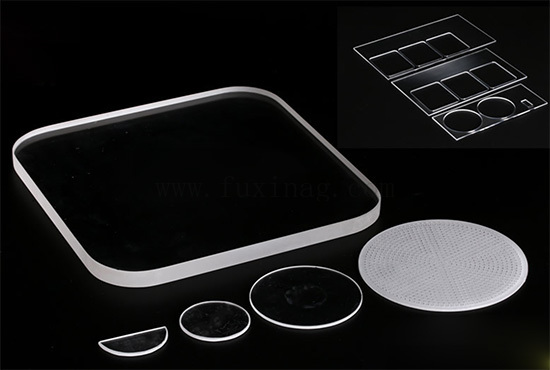
- Glass preparation: Cutting to size (CNC or laser), edge grinding/polishing (pencil, flat, or 2.5D), cleaning (ultrasonic or IPA), and optional chemical strengthening or physical tempering planning.
- Screen/stencil making: High-tension mesh (commonly 270–420 mesh) coated with photosensitive emulsion, exposed to film positives, and developed.
- Printing: Multi-layer sequential printing with precise registration. Conductive or insulating layers can be incorporated for certain capacitive designs.
- Curing/firing: High-temp fusion during tempering or low-temp/UV curing.
- Finishing & QC: AF coating if required, adhesion testing (cross-hatch), dimensional inspection, visual defect checks, and packaging.
Partner with Fuxin Glass
Whether you need standard 86-type panels, custom multi-gang layouts, or fully branded intelligent switch cover glass with multi-layer silk screen printing, our factory delivers consistent quality, competitive lead times, and technical support from design to mass production. We focus on precision silk screen printing for smart switch panels to help brands achieve premium product differentiation and reliable performance. Contact us today for samples, technical drawings review, or volume quotations. Discover how advanced silk screen processes can elevate your next smart switch or control panel project.