

Products News
0102030405
How to Bond AG Anti Glare Cover Glass to LCD Display?
2026-07-20
AG anti glare cover glass has become a standard component in modern LCD display manufacturing, helping reduce reflections, improve outdoor readability, and enhance scratch resistance. For display manufacturers, medical display integrators, industrial panel suppliers, and automotive display engineers, understanding how to bond AG anti glare cover glass to LCD display correctly is critical to achieving high yield, long-term reliability, and consistent optical performance.
Why Bond AG Anti Glare Cover Glass to LCD Display?
Bonding an AG cover glass to an LCD display is not simply a protective step. It directly affects the display's usability in high-brightness environments, touch sensitivity, visual comfort, and durability.
The main benefits include:
- Reduced glare and reflection under sunlight or strong ambient light
- Improved viewing comfort for medical, industrial, automotive, and outdoor displays
- Enhanced surface protection against scratches, dust, and fingerprints
- Higher optical clarity when using high-quality optically clear adhesives
- More consistent touch performance in touchscreen-integrated LCD modules
- Better durability in harsh operating conditions
For OEMs, ODMs, and display assembly factories, choosing the right AG cover glass and bonding method can reduce after-sales issues and improve product competitiveness.
Step-by-Step: How to Bond AG Anti-Glare Cover Glass to LCD Displays
Successful bonding requires precision, cleanliness, and material compatibility. Here is a professional process overview:
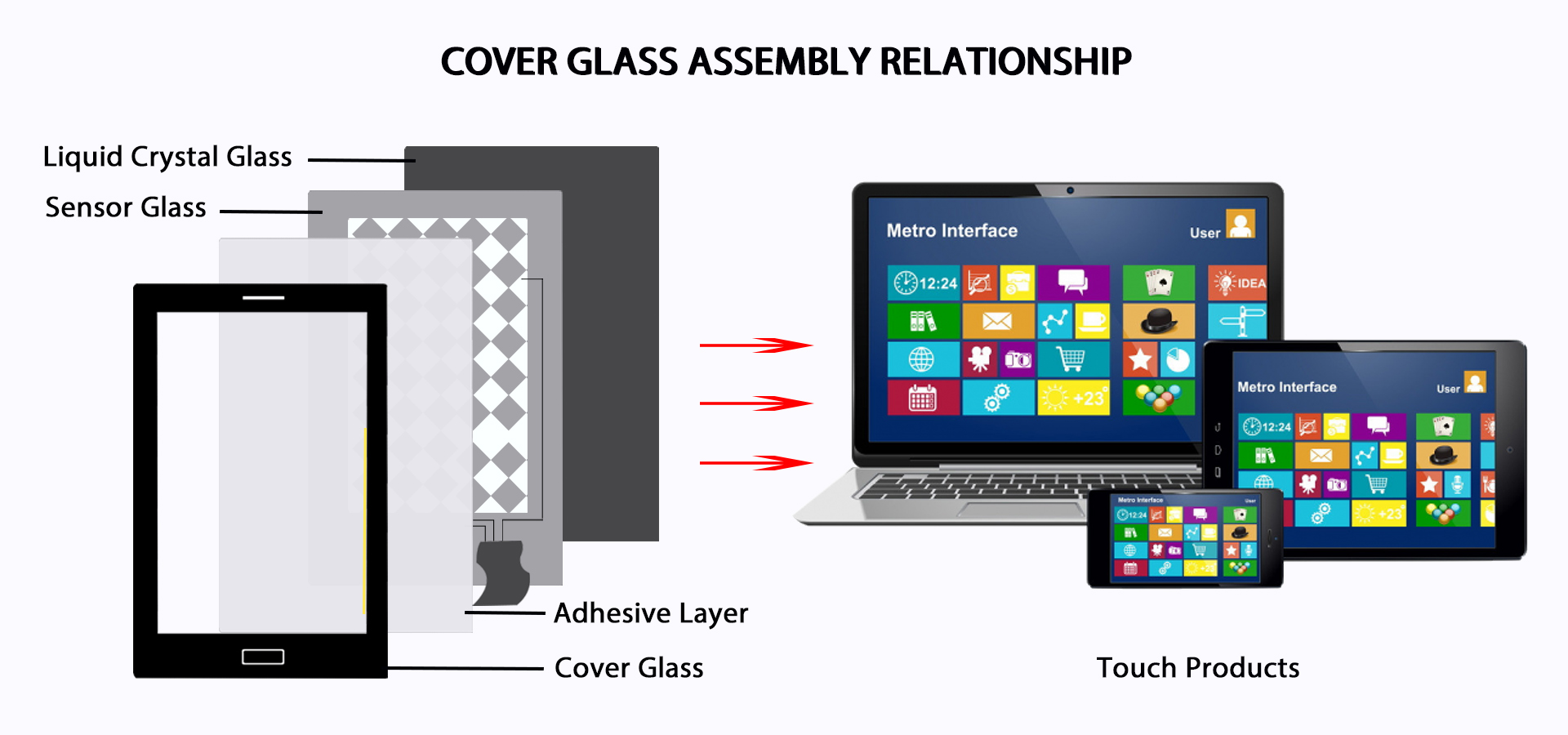
- Preparation and Cleaning
Thoroughly clean the LCD panel, AG cover glass, and any touch sensor using IPA or specialized cleaners in a dust-free environment (Class 100 cleanroom recommended). Remove all particles, oils, and residues to prevent defects like bubbles or Newton rings. -
Material Selection
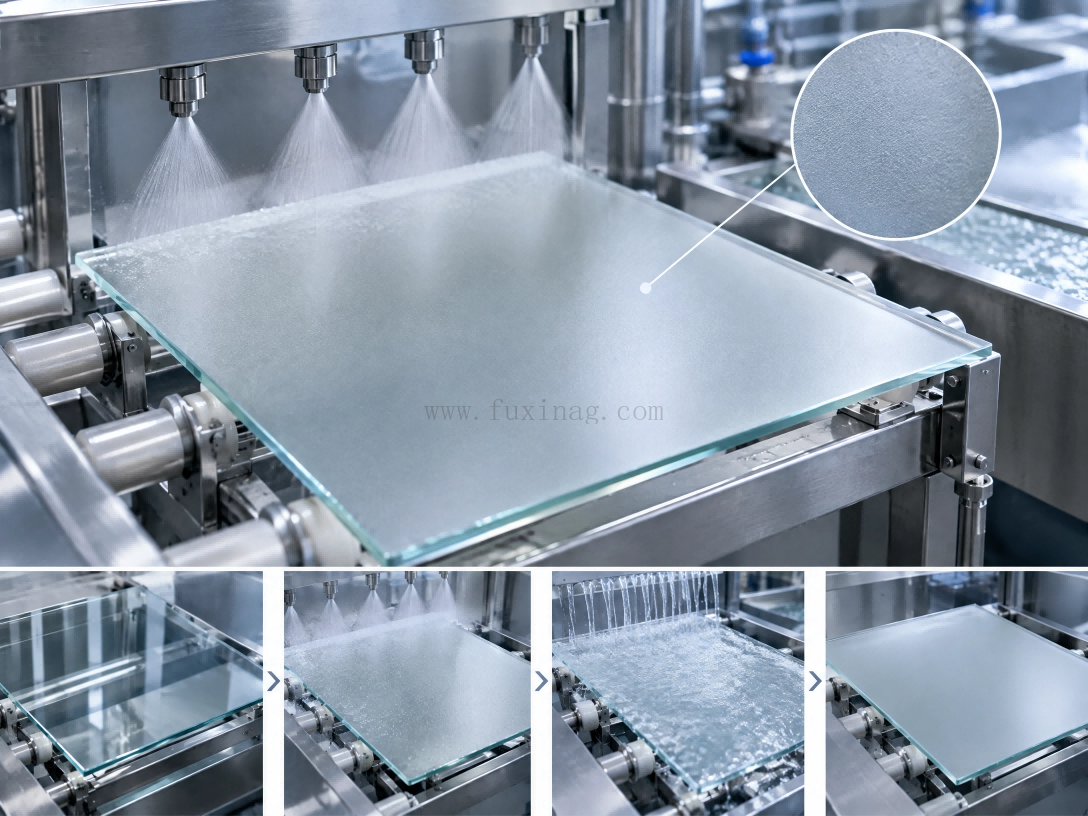
- AG Glass: Choose etched soda-lime or chemically strengthened glass with desired haze level (typically 3-10% for balance of glare reduction and clarity). Consider AR (anti-reflective) or AF (anti-fingerprint) coatings.
- Adhesive: Opt for Optically Clear Adhesive (OCA) film for thinner applications or Liquid Optically Clear Resin (OCR/LOCA) for larger or irregular surfaces. Match refractive index to glass/LCD (~1.5) to minimize reflections. UV-curable or thermally cured options available.
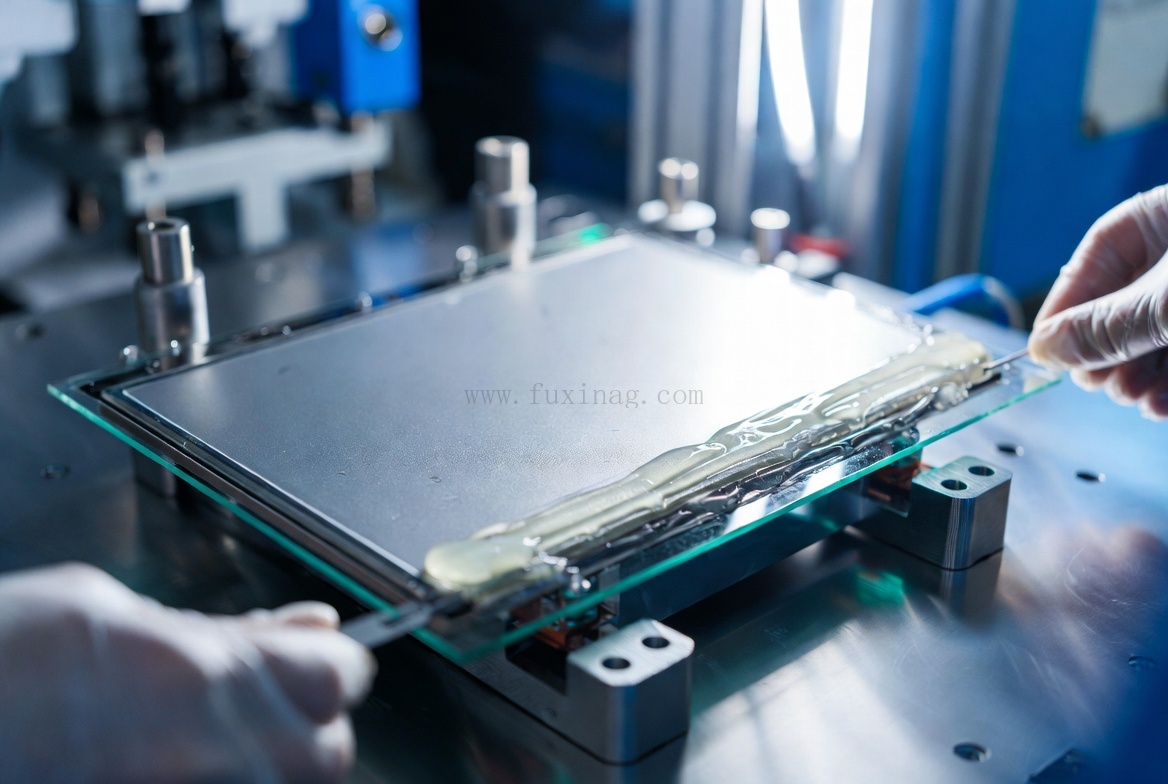
- Dispensing and Lamination
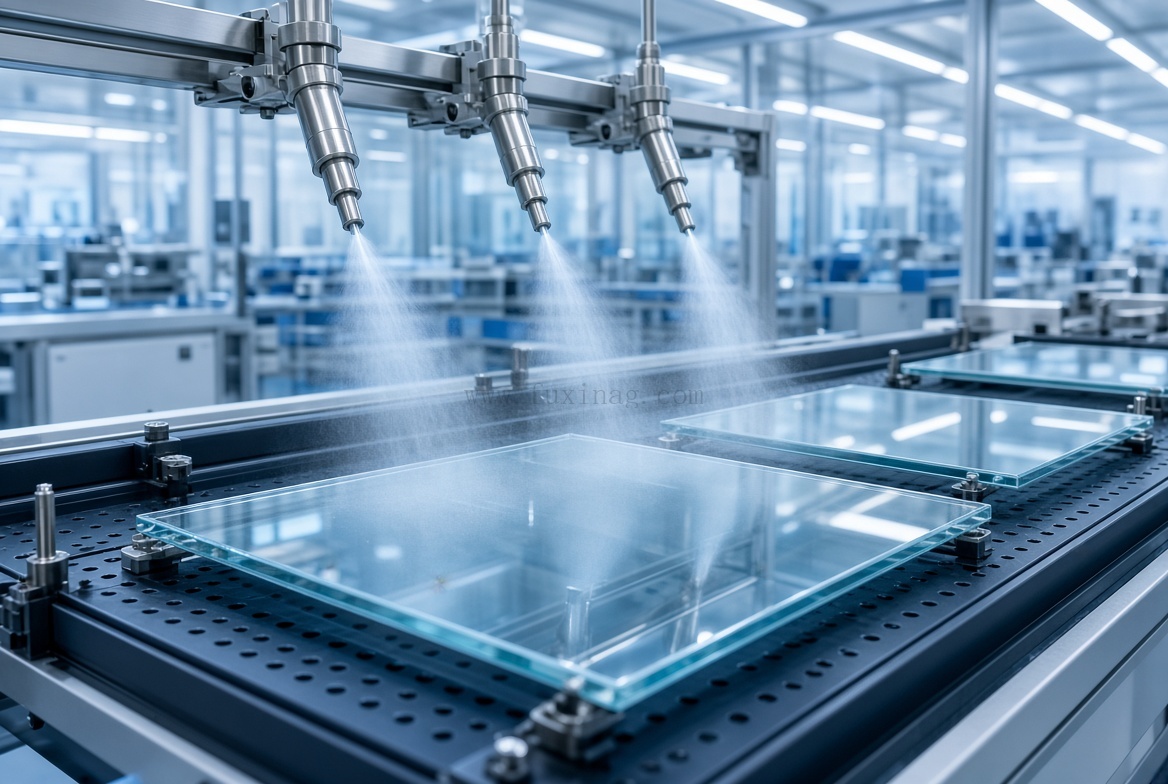
Precisely dispense or apply the adhesive uniformly. Align and laminate the AG cover glass to the LCD under controlled pressure and vacuum to eliminate air bubbles. - Curing
Cure using UV light, heat, or dual-cure methods per adhesive specs. Monitor for uniform curing to avoid yellowing or stress. - Inspection and Testing
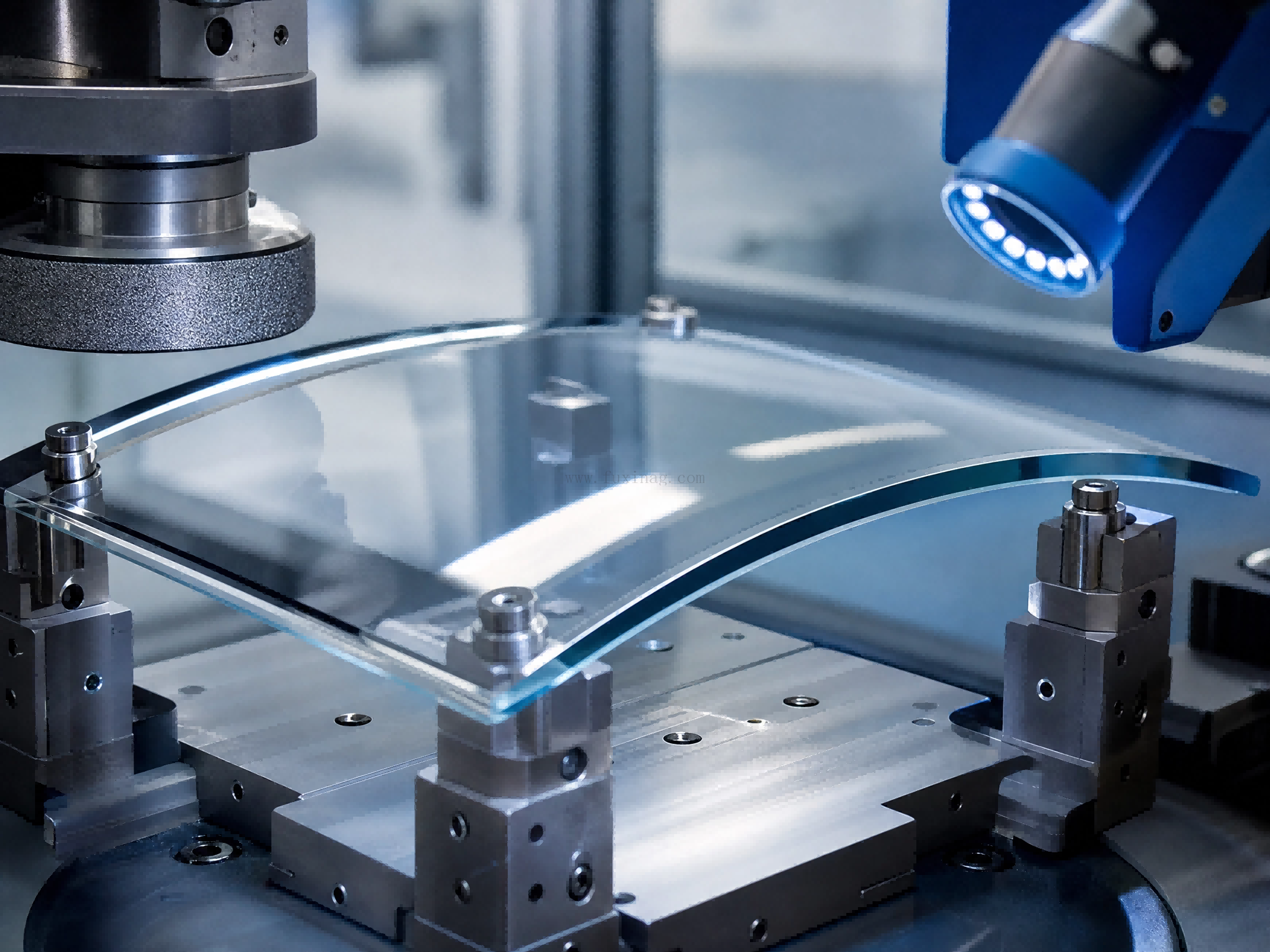
Use automated optical inspection (AOI), backlight testing, and environmental chambers to verify bond integrity, optical performance, and reliability (thermal cycling, humidity, drop tests).
Common Challenges and Solutions
- Bubbles/Defects: Vacuum-assisted lamination and pre-outgassing.
- Yellowing: Select high-stability, UV-resistant adhesives.
- Alignment Precision: Automated equipment for high-yield.
- Cost Optimization: Balance OCA vs. full liquid bonding based on size and application.