

Products News
0102030405
How to achieve uniform haze on AG glass?
2026-09-15
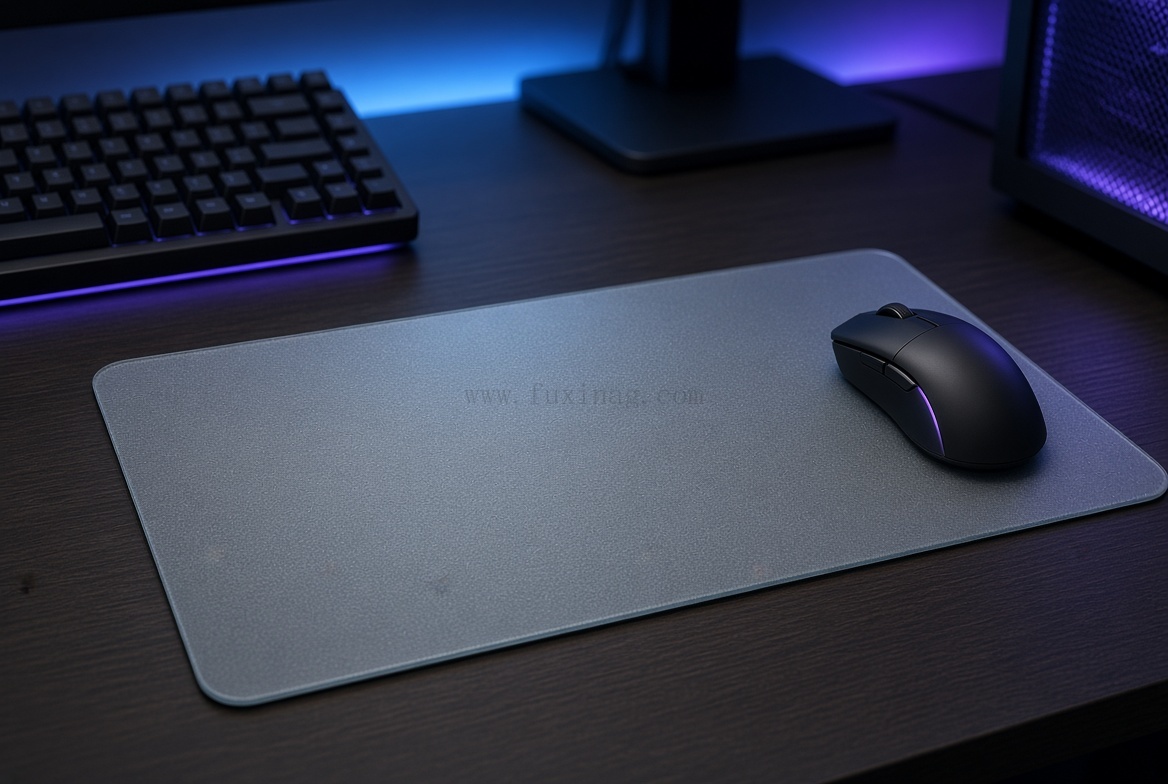
Achieving uniform haze on AG glass (anti-glare glass) is critical for high-performance cover glass used in displays, industrial HMIs, automotive screens, outdoor kiosks, and medical monitors. Non-uniform haze causes visible inconsistencies, sparkle, reduced image clarity, or uneven anti-glare performance—issues that lead to product rejection and customer complaints.This guide explains the key principles, processes, and quality controls that deliver consistent, production-ready uniform haze. As a specialized AG anti-glare cover glass factory, we share practical manufacturing insights that help buyers evaluate suppliers and specify the right product.
What Is Haze in AG Glass and Why Uniformity Matters
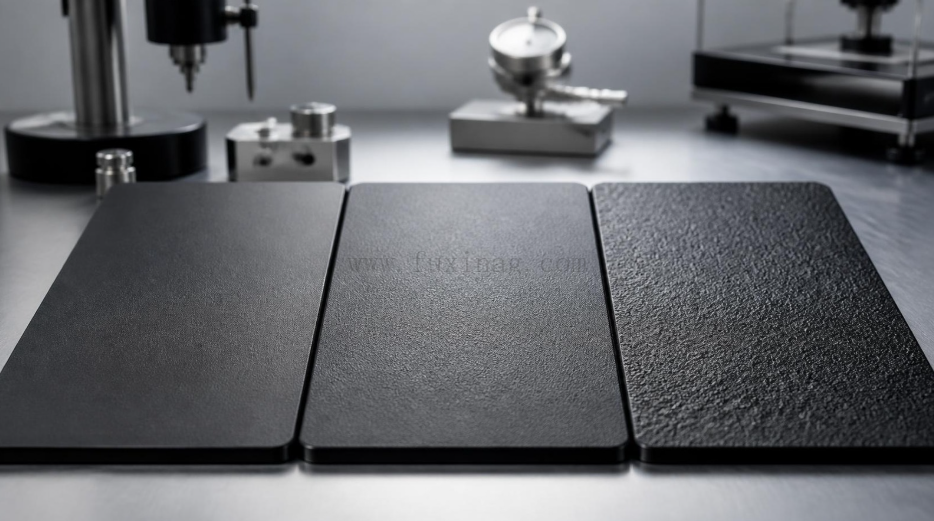
Haze measures the percentage of transmitted light scattered more than 2.5° from the incident beam (typically per ASTM D1003). In AG glass, controlled surface micro-texture (created by chemical etching, coating, or mechanical methods) scatters reflected light to reduce glare while balancing transmittance, gloss, and clarity (DOI).
- Higher haze → stronger diffusion and better anti-glare effect, but potentially lower image sharpness.
- Lower haze → better clarity with milder anti-glare performance.
- Typical ranges for cover glass: 2–28% (chemical etch common), customizable up to higher values depending on application.
Core Methods to Achieve Uniform Haze on AG Glass
1. Chemical Etching (Most Common for Durable Cover Glass)
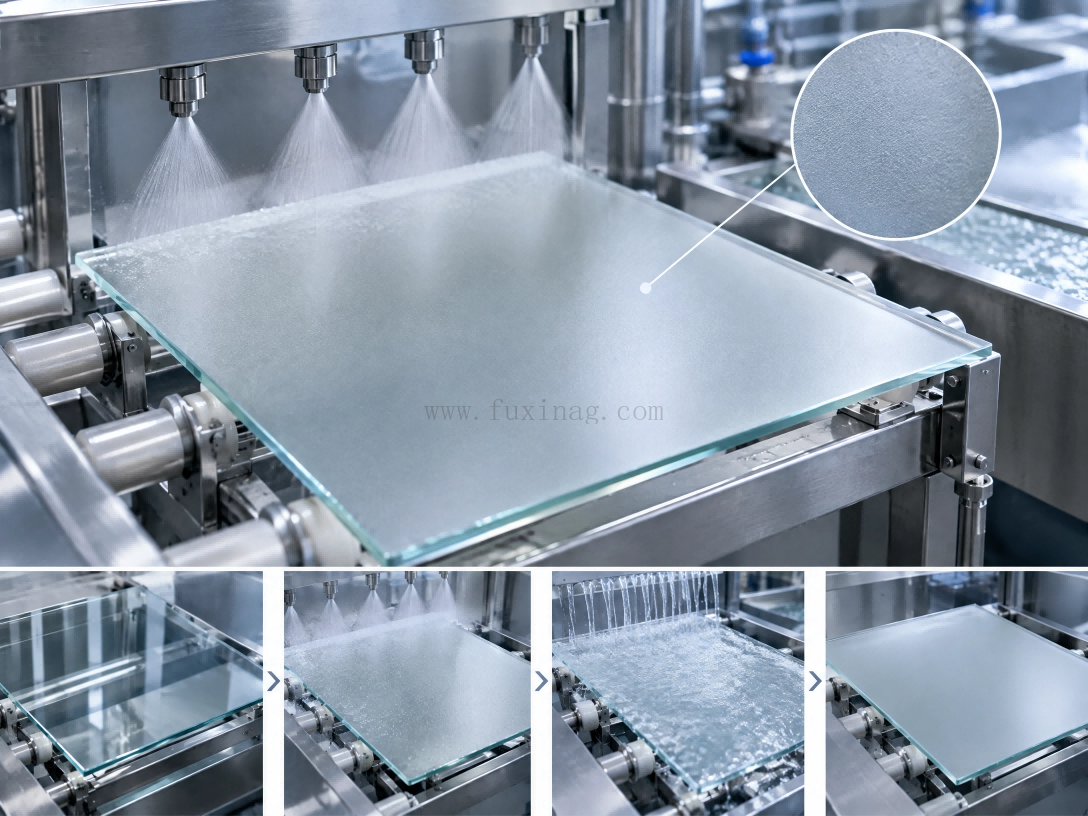
Chemical etching permanently creates micro-asperities on the glass surface using controlled fluoride-based solutions (e.g., dilute HF or multi-component baths with ammonium bifluoride, acids, and additives).
Key steps for uniformity:
- Thorough surface preparation and cleaning (deionized water, removal of oils and particles) to prevent localized over- or under-etching.
- Precise control of etchant concentration, temperature, and immersion or spray time (often 30–180 seconds).
- Uniform fluid dynamics: agitation, multi-axis rotation, or optimized spraying to eliminate concentration gradients and edge effects.
- Immediate neutralization followed by multi-stage rinsing and drying.
- Optional multi-step etching or polishing for refined texture and reduced sparkle.
2. Coating Methods (Spray or Particle-Based)
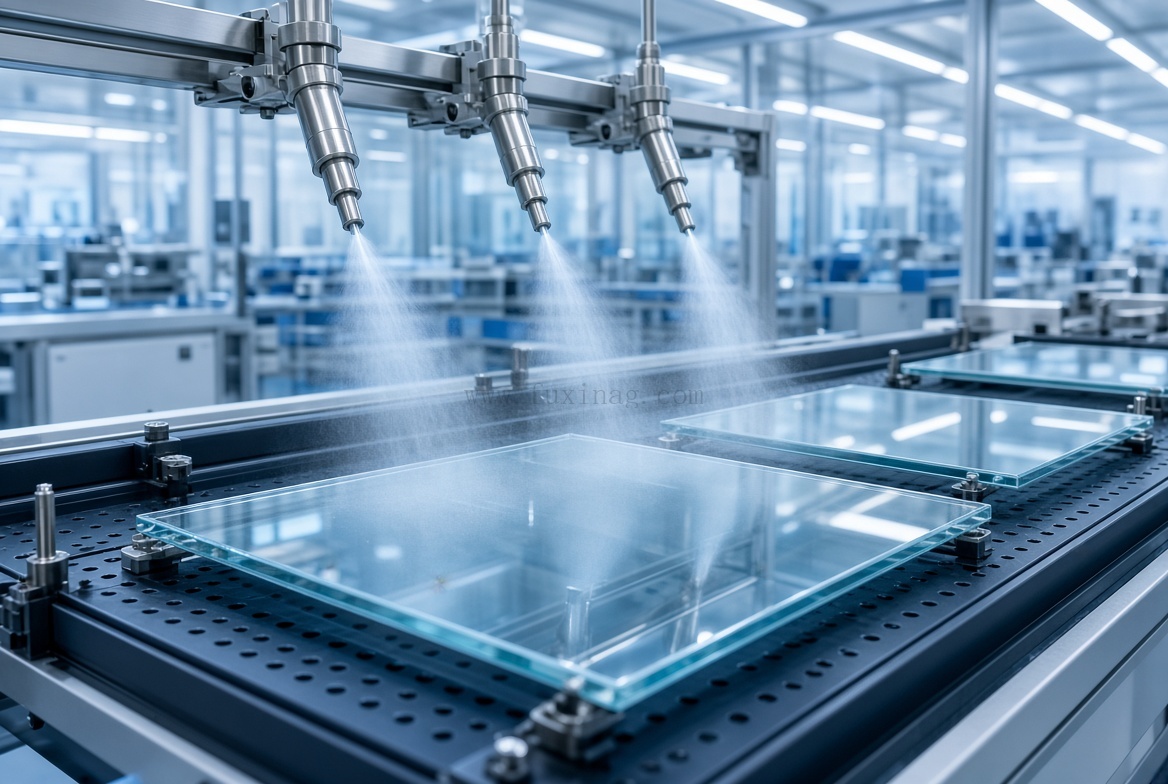
Spray coating or particle-dispersion coatings apply light-scattering layers. Uniformity depends on:
- Consistent droplet size and distribution.
- Controlled particle aggregation or surface modification.
- Precise application thickness, leveling, and curing (thermal or UV).
Critical Process Controls for Uniform Haze
- Substrate quality: Consistent glass composition and flatness (soda-lime, aluminosilicate, borosilicate).
- Environmental and chemical stability: Tight control of bath chemistry, temperature, and contamination.
- Equipment automation: Continuous or batch systems that minimize human variation and ensure even exposure.
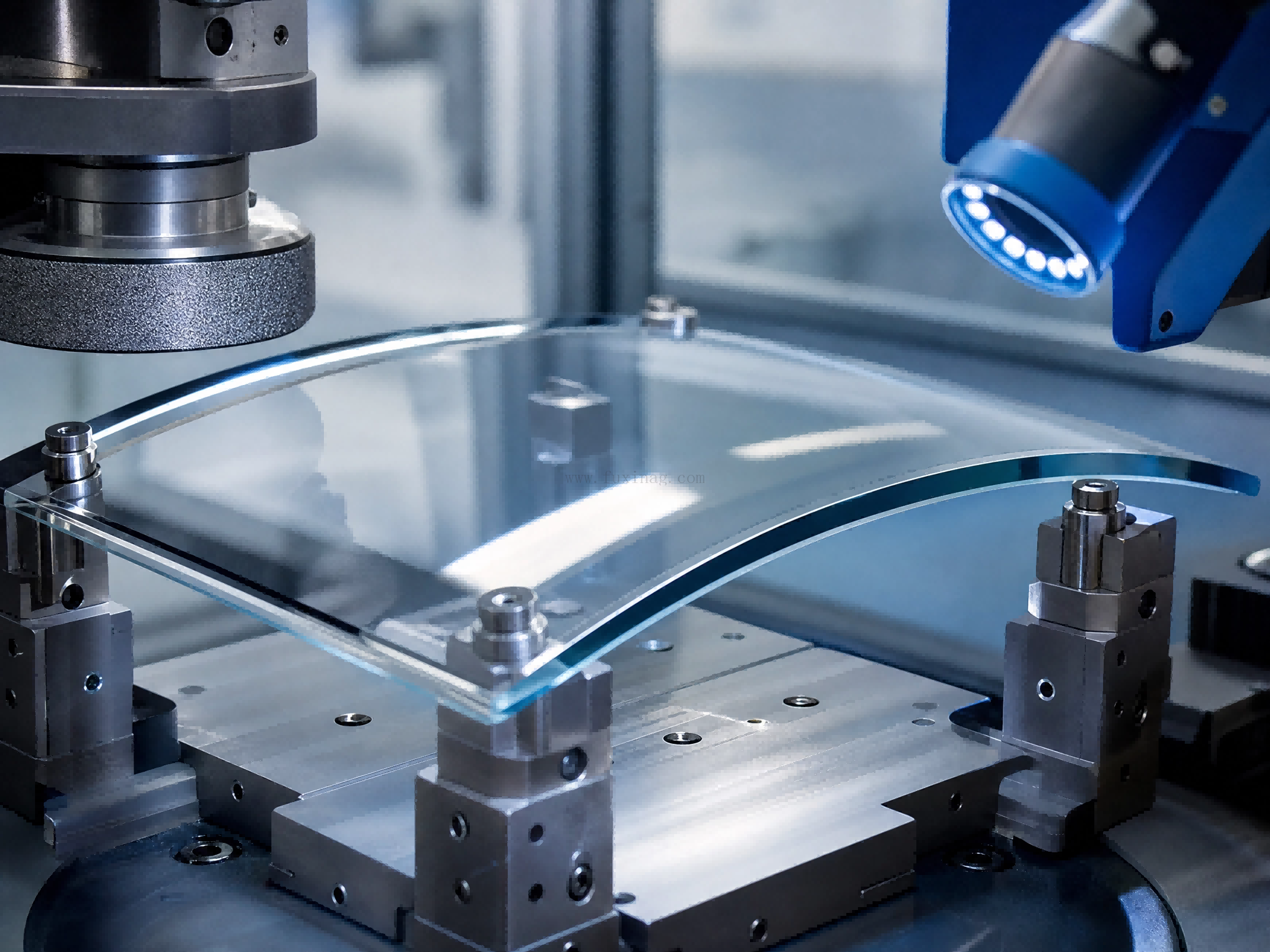
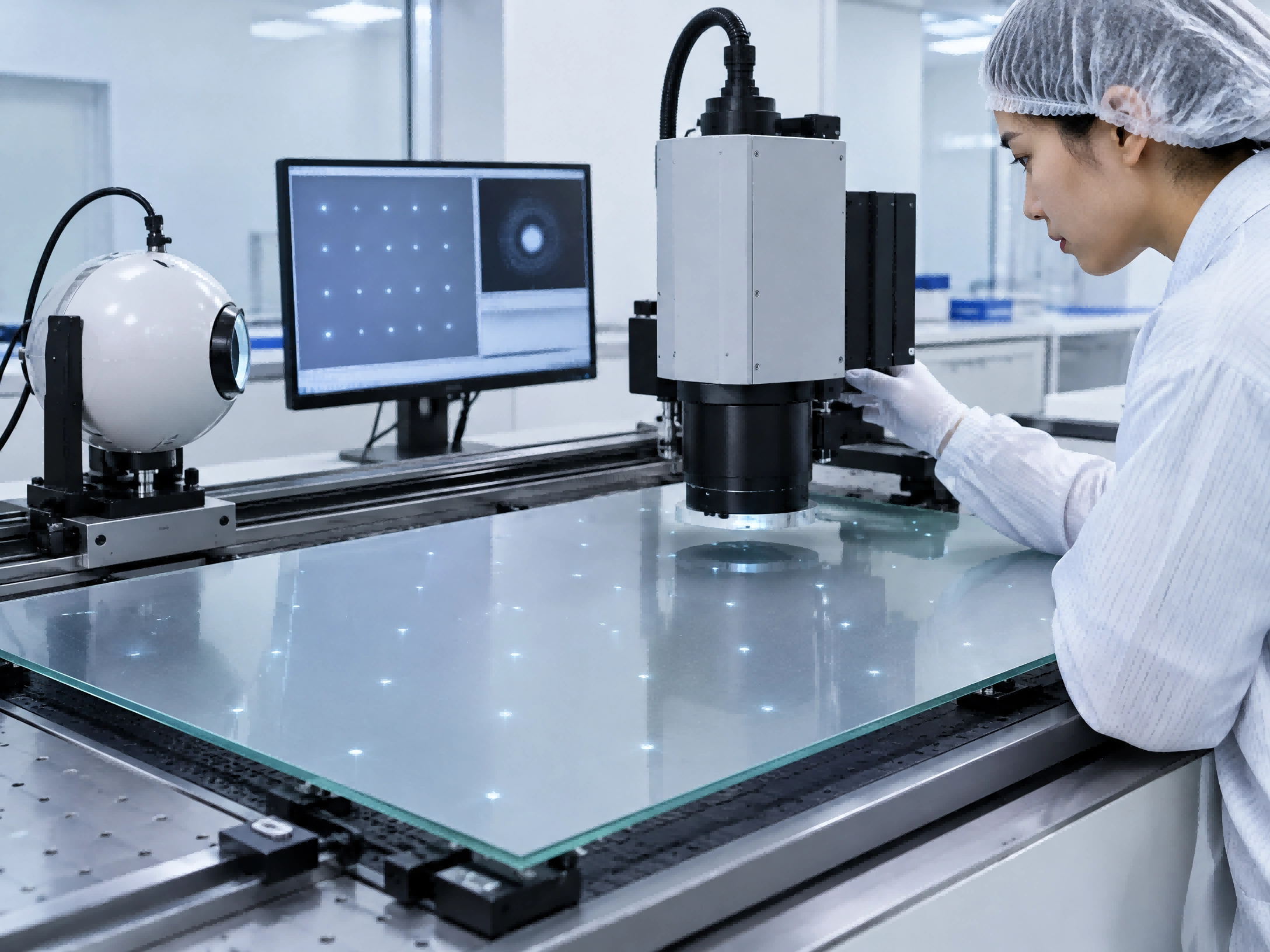
- In-process and final inspection: Haze meters, gloss meters (60°), surface roughness profilometers, transmittance measurement, and visual/sparkle evaluation. Statistical process control rejects outliers.
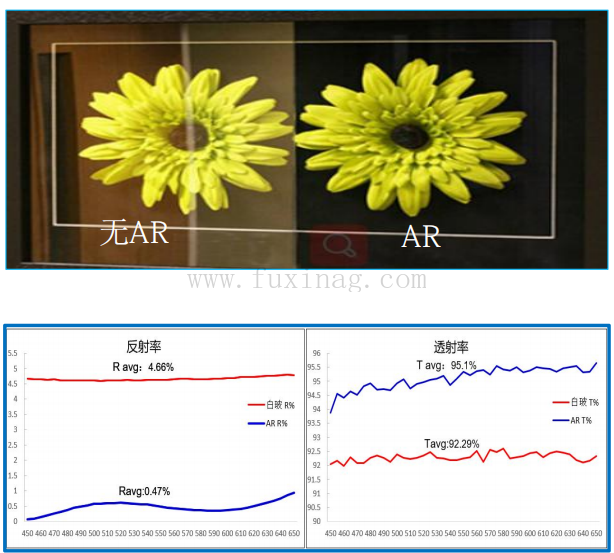
- Post-treatment options: Combination with AR (anti-reflective), AF (anti-fingerprint), or chemical strengthening while preserving the AG texture.

Benefits of Uniform-Haze AG Cover Glass from a Specialized Factory
- Consistent optical performance across panels and production lots
- High durability (etched surfaces retain glass hardness)
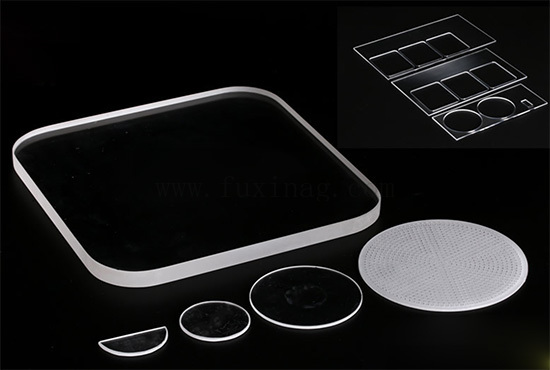
- Customizable haze, gloss, size, thickness, and shape (including CNC, printing, AR/AF combinations)
- Suitable for demanding environments: vibration, temperature cycling, UV, and frequent cleaning
Fuxin Glass supports full customization and rigorous quality systems so that every panel meets the specified haze uniformity for your exact application.