

Products News
0102030405
Unlocking Crystal-Clear Performance: The Science Behind AG/AR/AF Coatings – Principles, Testing, and Industry Applications
2026-07-14
In the rapidly evolving world of optical technologies, AG/AR/AF coatings (Anti-Glare, Anti-Reflective, and Anti-Fingerprint) have become essential for enhancing visibility, durability, and user experience across industries. From consumer electronics and automotive displays to medical devices and solar panels, these advanced surface treatments deliver superior optical performance while addressing real-world challenges like glare, reflections, and smudges.
This comprehensive guide explores the working principles of AG, AR, and AF coatings, key testing protocols, and why manufacturers are increasingly adopting multi-functional coating solutions.
This comprehensive guide explores the working principles of AG, AR, and AF coatings, key testing protocols, and why manufacturers are increasingly adopting multi-functional coating solutions.
Understanding AG/AR/AF Coatings: Core Working Principles
AG Glass
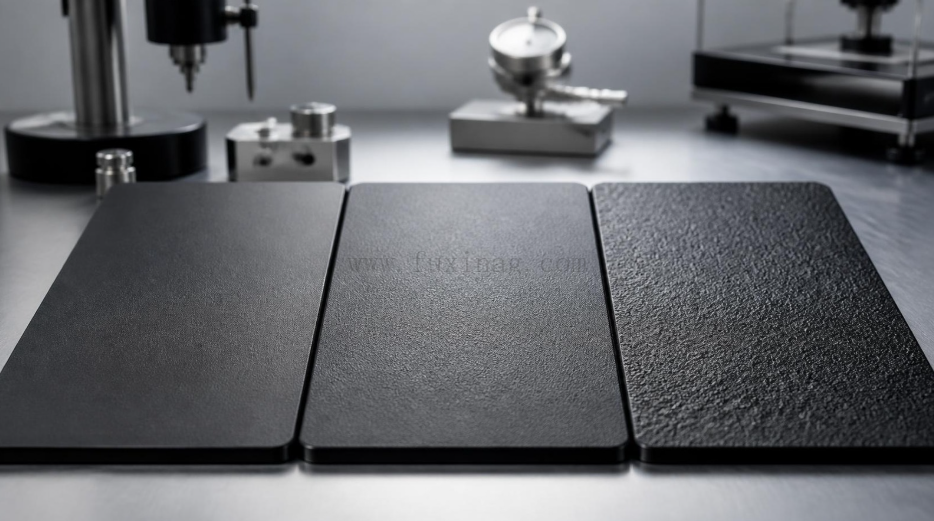
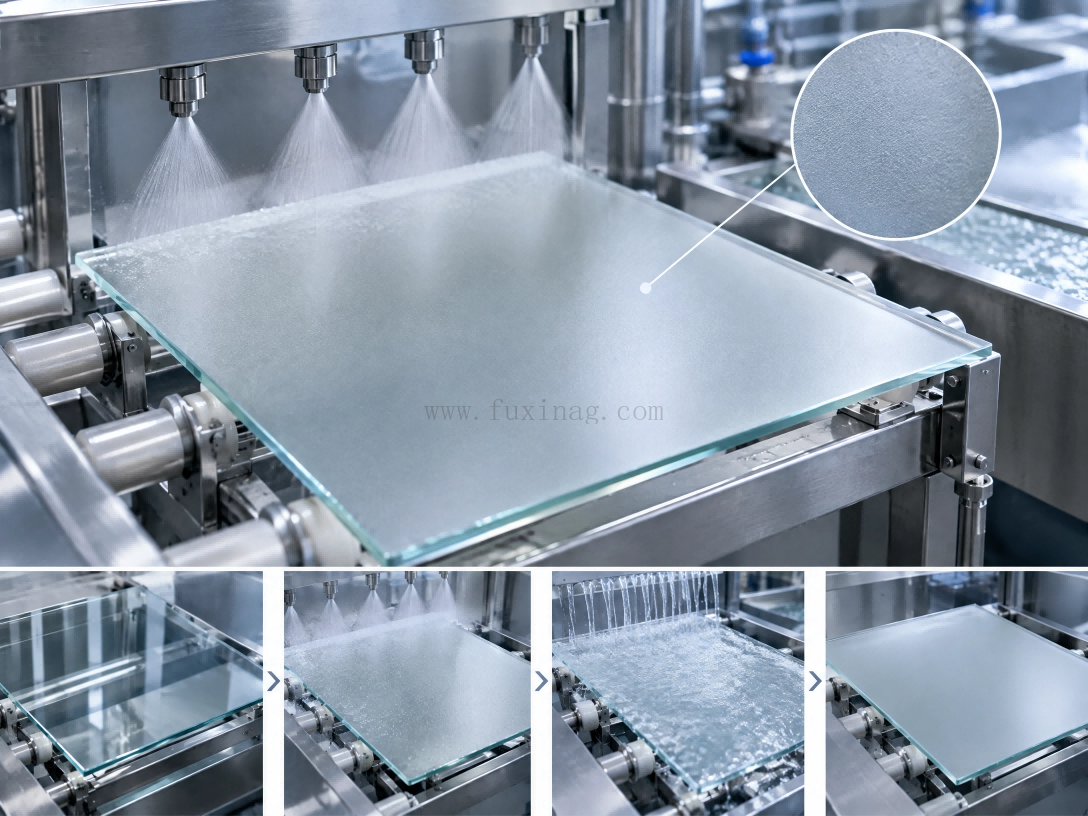
- AG etching: By using chemical materials to perform micro-treatment on the glass surface, the glass surface is roughened, and a regular uneven layer is formed on the glass surface to form a diffuse reflection film.
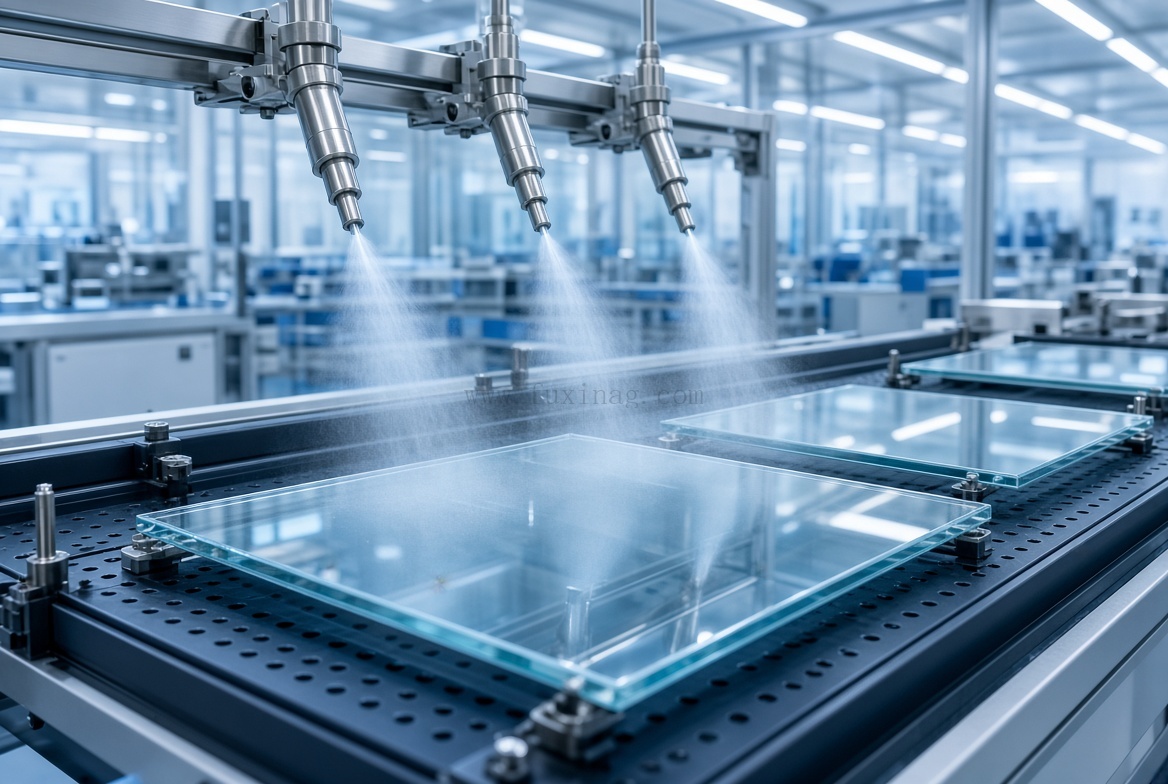
- AG spraying: A layer of nano-silica particle suspension is formed on the glass surface by spraying. The nano-sized silica particles are uniformly dispersed and, under a certain heat treatment temperature, adhere to and accumulate on the film surface to form an uneven film layer, thus creating a diffuse reflection layer.
AG main parameters:
|
Ra |
0.03-0.5um (adjustable) |
|
Haze |
2-50%(adjustable) |
|
transmittance |
80%-91% |
|
Gloss |
Gloss:10-130G |
|
Sparkle |
<1.5%(Ra 0.05um) |
AR Glass
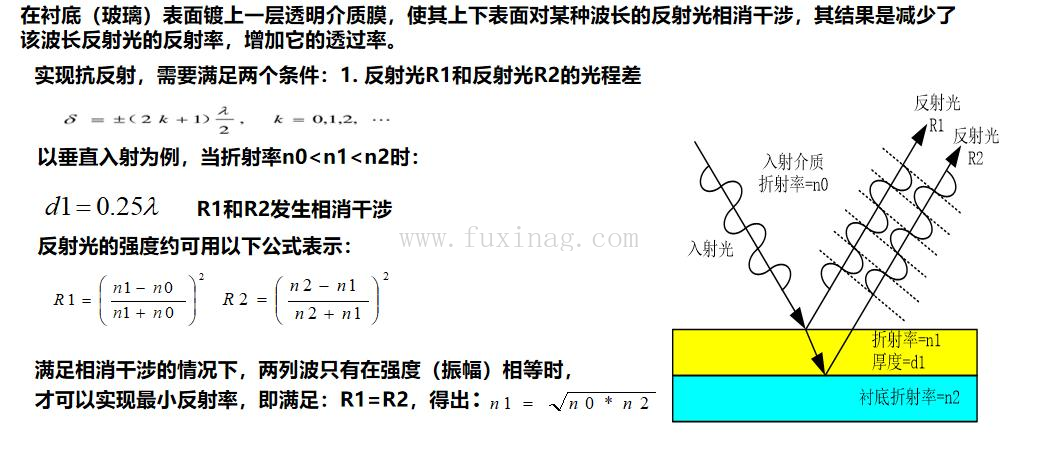
By utilizing the most advanced international magnetron sputtering coating technology, an anti-reflective film is deposited on the surface of ordinary tempered glass. The high and low refractive indexes of the material effectively reduce the reflection of the glass itself, increase the transmittance of the glass, and make the colors that originally passed through the glass more vivid and realistic.
AF Glass
Anti-Fingerprint (AF) coatings are fingerprint-resistant, stain-resistant, and easy to clean. The key factor determining an object's stain and water resistance is its surface energy. Surface energy can be calculated using the contact angle. A smaller contact angle θ indicates greater surface energy and a wetter surface; a larger contact angle θ indicates less surface energy and a less wet, non-sticky surface, making it easier to clean.
Rigorous Testing: Ensuring Quality and Performance
| Pencil hardness test | 750g pressure, 45° angle, 5mm long, parallel 5 lines, line spacing >3mm, ≥9H (with plating). |
| AG/AR/AF Mohs hardness | A scratch test was performed on the vertical coating surface using a pressure of 750 Gg, and the Mohs hardness was ≥5. |
| AG/AR/AF Rubber Friction Test | A 1000g weight, a speed of 40 cycles/min, a test stroke of 40mm, 2500 round trips, and an initial angle ≥110°. |
| AR/AF steel wool test |
Parameter A: Area 2cm*2cm, gravity 1kgf, speed 40cycle/min, friction length 40mm, 2500 reciprocations, initial angle ≥110°, water droplet angle after friction >100°. Parameters B: Area 2cm*2cm, gravity 1kgf, speed 40cycle/min, friction length 40mm, 10000 reciprocations, initial angle ≥110°, water droplet angle after friction >70°. |