

Products News

0102030405
What is the surface roughness of matte AG glass?
2026-06-22
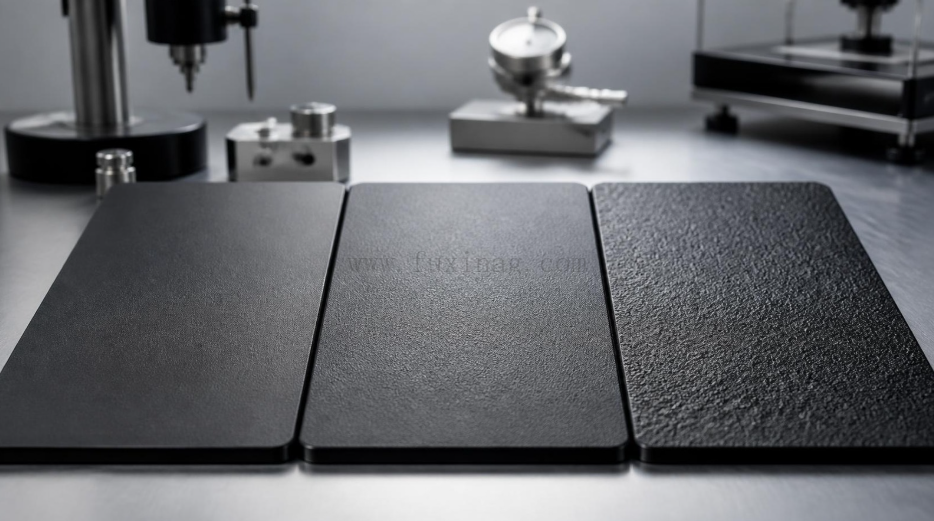
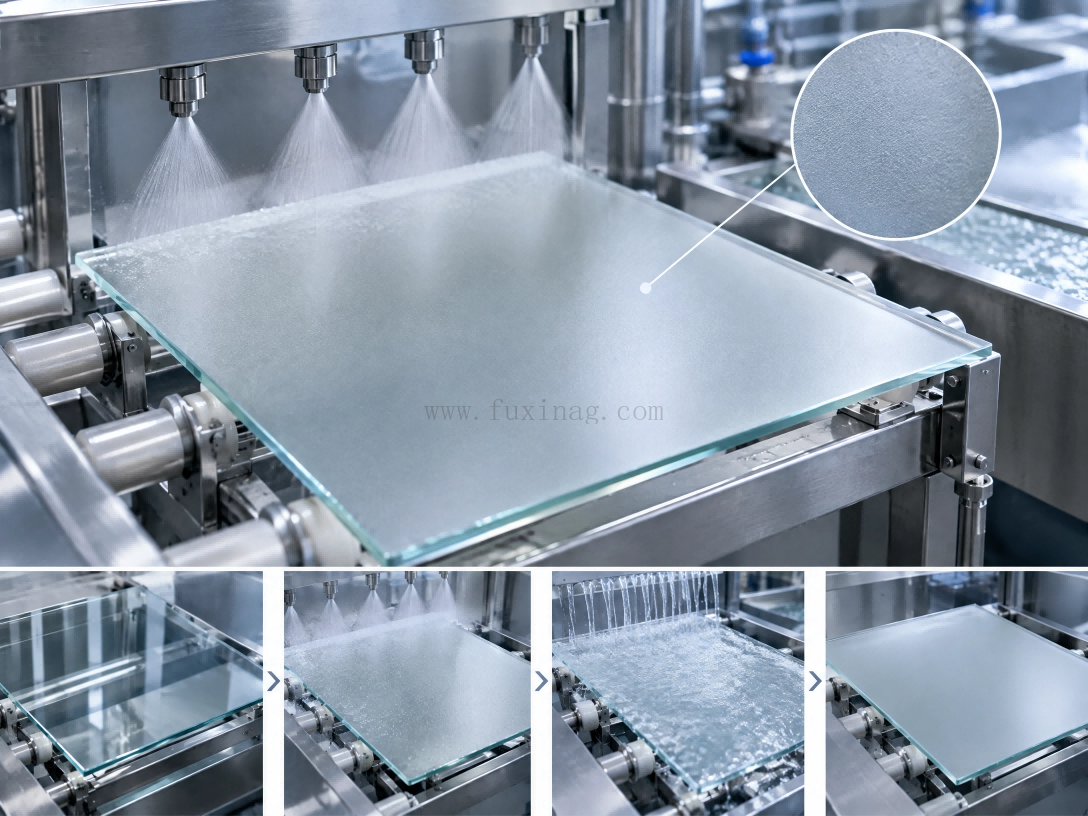
Surface roughness, typically measured as Ra (arithmetical mean deviation of the assessed profile) in micrometers (μm) or nanometers (nm), quantifies the microscopic peaks and valleys on the glass surface. For matte AG glass, manufacturers engineer this roughness through chemical etching, spraying, or advanced texturing processes to scatter incoming light diffusely, eliminating harsh reflections.
Typical Ra Values for Matte AG Glass:
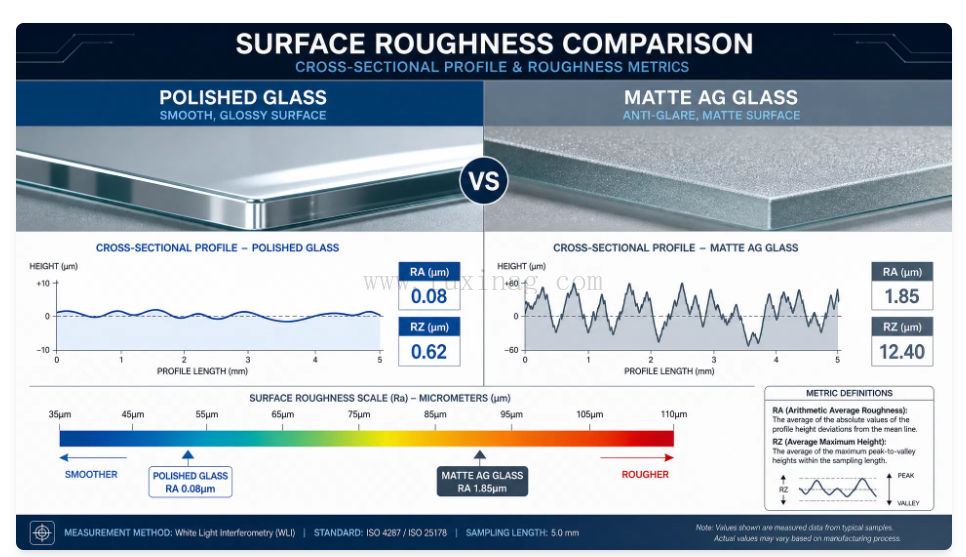
- Premium optical applications: 0.02 – 0.10 μm (20–100 nm)
- Standard industrial & display use: 0.05 – 0.3 μm (50–300 nm)
- Higher haze/matte finishes: Up to 0.5 – 1.5 μm, depending on specific performance needs
These values create the signature matte appearance while maintaining high light transmittance (often ≥89–93%) and controlled haze levels.
Why Surface Roughness Matters: Performance Trade-offsProperly calibrated roughness delivers:
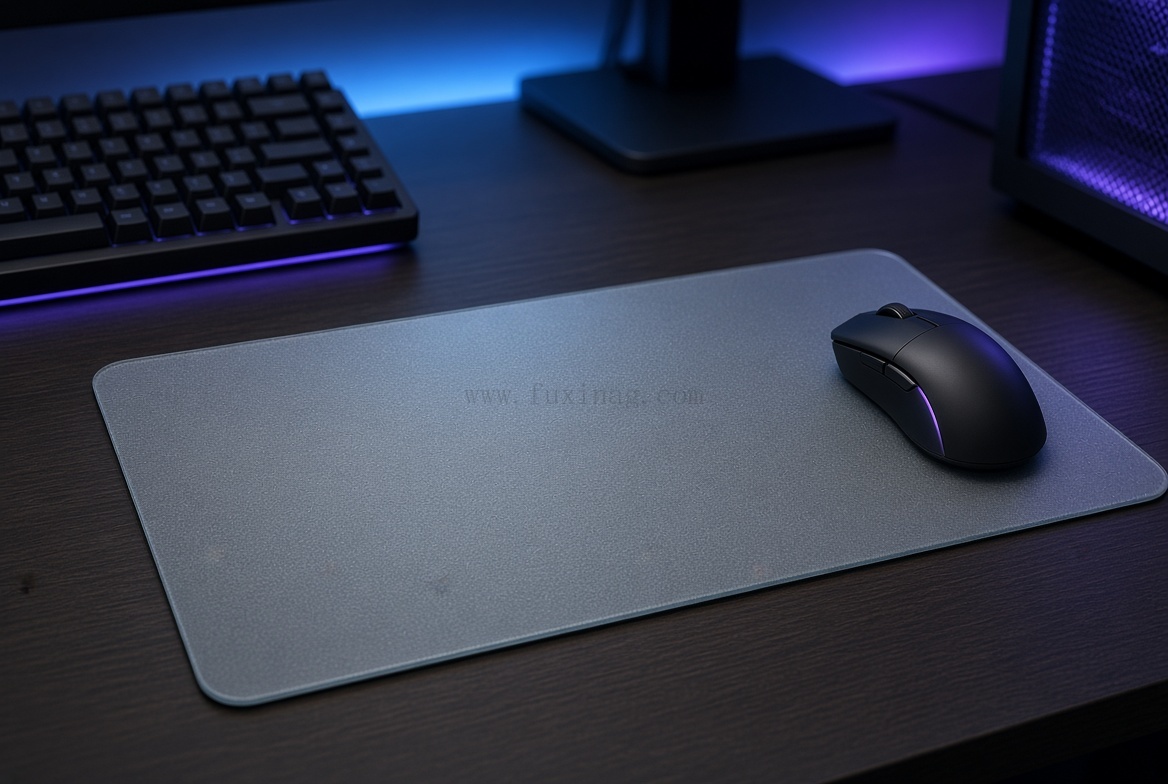
- Excellent anti-glare performance under bright ambient light
- Reduced eye strain for operators in control rooms, medical settings, or outdoor kiosks
- Improved touch experience with better haptic feedback
- Maintained optical clarity without excessive sparkle or image distortion
- Medical Equipment: Ra 0.5–1.0 μm for precision and minimal light scattering
- Industrial Control Displays: Ra 0.5–1.5 μm balancing glare reduction and visibility
- Consumer Electronics & Automotive: Finer Ra (0.05–0.25 μm) for premium feel and high transmittance

Choosing the Right Matte AG Glass PartnerAt Fuxin Glass, we specialize in high-precision matte AG glass with rigorously controlled surface roughness to meet exact project requirements. Our processes ensure batch-to-batch consistency, superior durability, and compatibility with additional coatings (AR, AF).