

What is haze value in anti glare glass
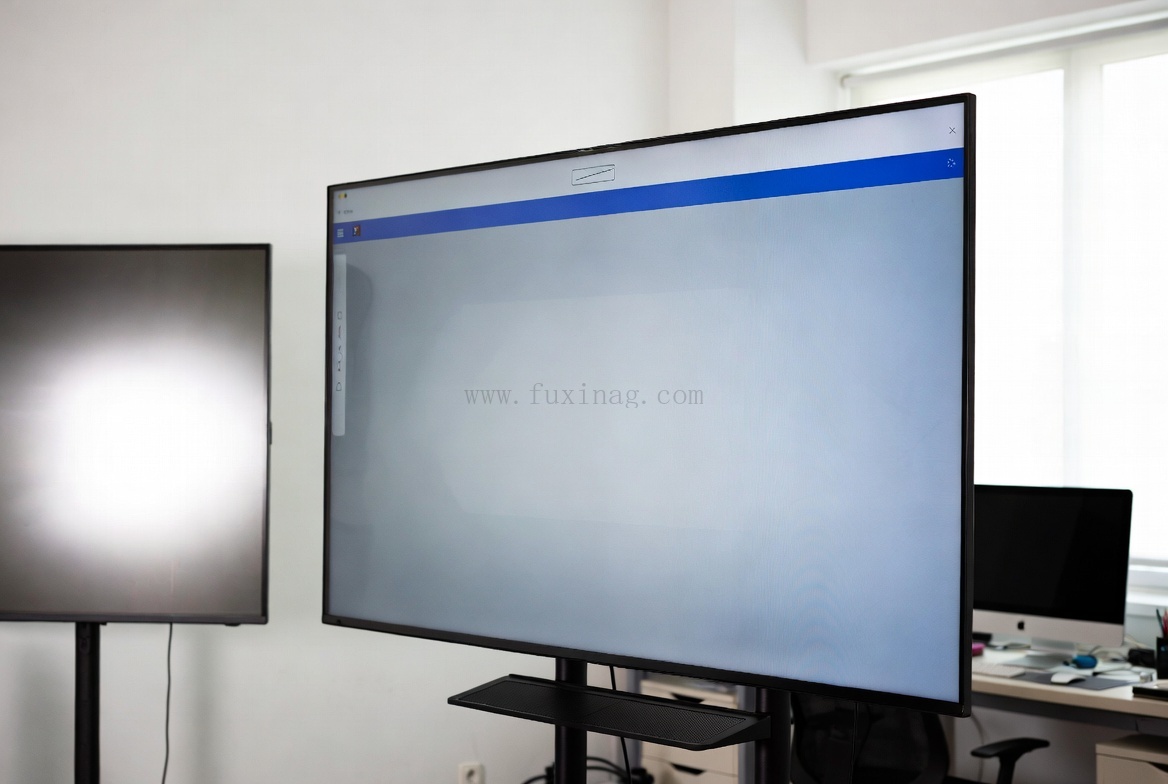
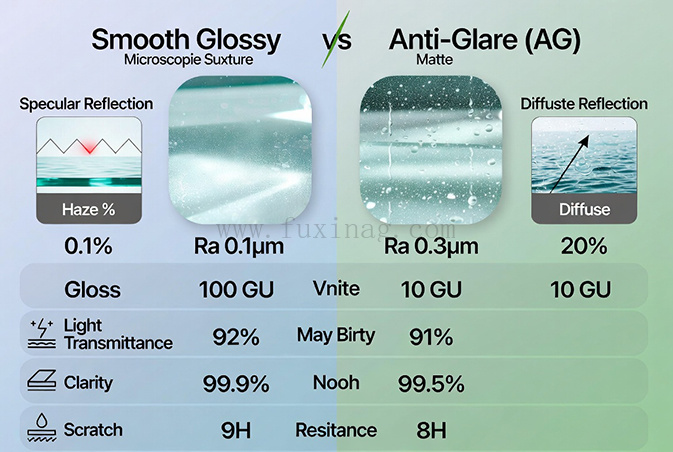
In anti-glare (AG) glass, the "haze value" (often called "haze") is a measure of the glass's cloudiness or milkiness, which directly corresponds to its anti-glare effectiveness. A higher haze value leads to more diffused light reflection and, therefore, stronger anti-glare performance, but it also reduces image clarity.
| Haze Value | Anti-Glare Performance | Image Clarity | Typical Application |
| Low(1~10%) | Weaker | Sharper, clearer | High-end displays where retention of fine details is critical. |
| Medium(11~25%) | Moderate | Balanced | General-purpose displays, automotive dashboards, and touch screens. |
| High(26%~40%+) | Strongest | More diffused, softer | Outdoor kiosks, digital signage in very bright environments, and some specialized applications. |
How is Haze Measured?
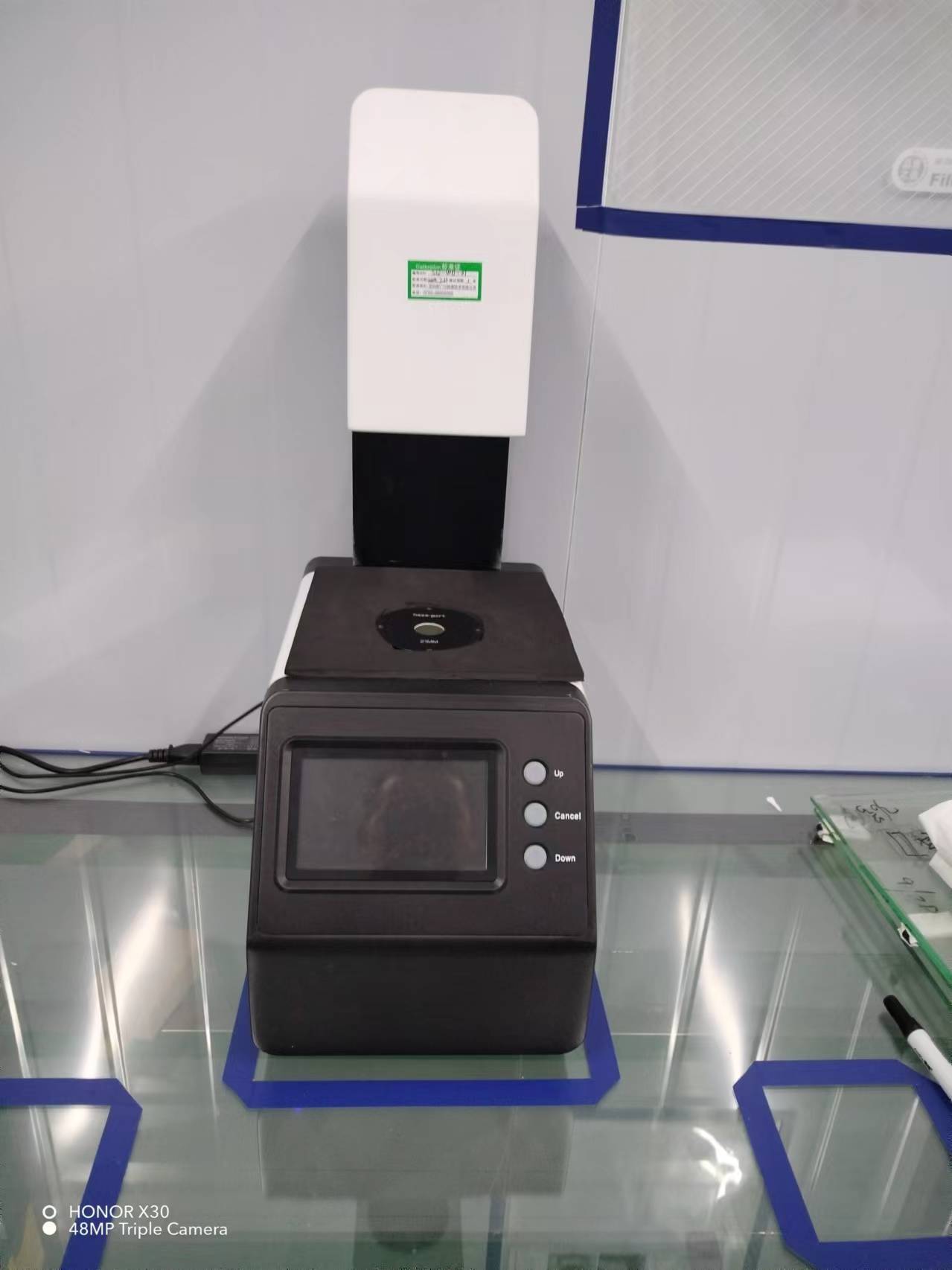
The haze value is a quantitative measurement, typically expressed as a percentage, using a specialized instrument called a haze meter. The measurement process involves:
-
Shining a light beam through the AG glass sample.
-
Using an integrating sphere to collect all the light that passes through.
-
Calculating the percentage of that total transmitted light that has been scattered at an angle greater than 2.5 degrees.
The Critical Trade-Off: Haze vs. Clarity
The core challenge in manufacturing anti-glare glass is balancing two opposing qualities:
- High Haze = Strong Anti-Glare: A higher surface roughness increases light scattering, effectively reducing glare and mirror-like reflections.
- High Clarity = Sharp Image: A smoother surface preserves the sharpness, contrast, and overall crispness of the display, but provides poor glare reduction.
This is the fundamental trade-off in AG glass technology. The right balance is highly application-specific. For instance, a medical monitor requires both excellent readability and true color reproduction, while an outdoor kiosk can prioritize glare reduction even if it slightly softens the displayed image.