

Products News
0102030405
AR Coating vs AG Coating: Which Glass Treatment is Right for Your Project?
2026-06-01
In today's high-tech world, display clarity, visibility, and durability are critical for applications ranging from digital signage and touchscreens to architectural glass and solar panels. Two leading surface treatments—AR (Anti-Reflective) Coating and AG (Anti-Glare) Coating—address reflection and visibility challenges in fundamentally different ways. Understanding the differences helps manufacturers, architects, and integrators select the optimal solution for superior performance and user experience.
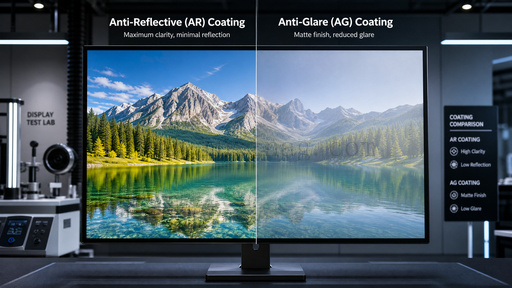
What is AR Coating?
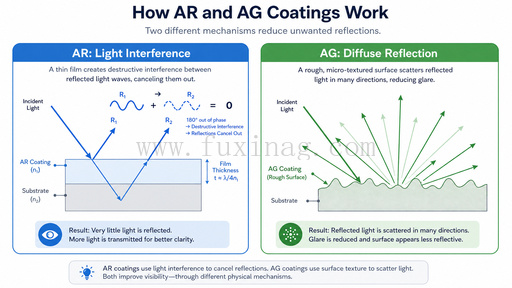
Anti-Reflective (AR) Coating applies multiple ultra-thin optical layers (typically nanometer scale) to glass surfaces using vacuum deposition or similar precision techniques. These layers create destructive interference for reflected light waves, dramatically reducing surface reflections while maximizing light transmission.
Key Benefits of AR Coating:
- Reflectance reduced to <0.5–1% per surface (vs. ~4% for uncoated glass).
- Light transmittance boosted to >99%, delivering exceptional clarity and color vibrancy.
- Maintains sharp image quality with no haze or diffusion.
- Ideal for controlled or variable lighting where maximum contrast and detail matter.
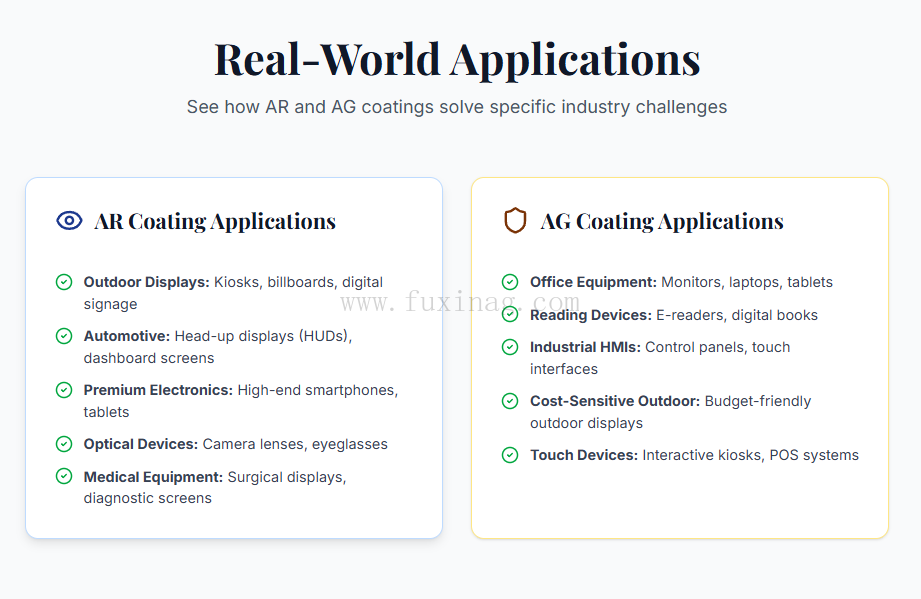
Common Applications: High-end displays, medical monitors, museum exhibit cases, automotive dashboards, optical lenses, solar panels, and high-brightness outdoor screens.
What is AG Coating?
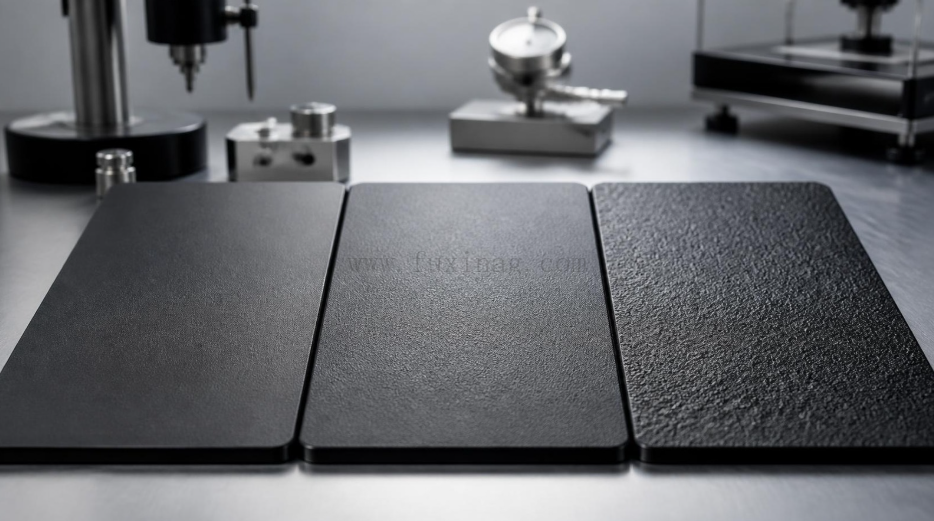
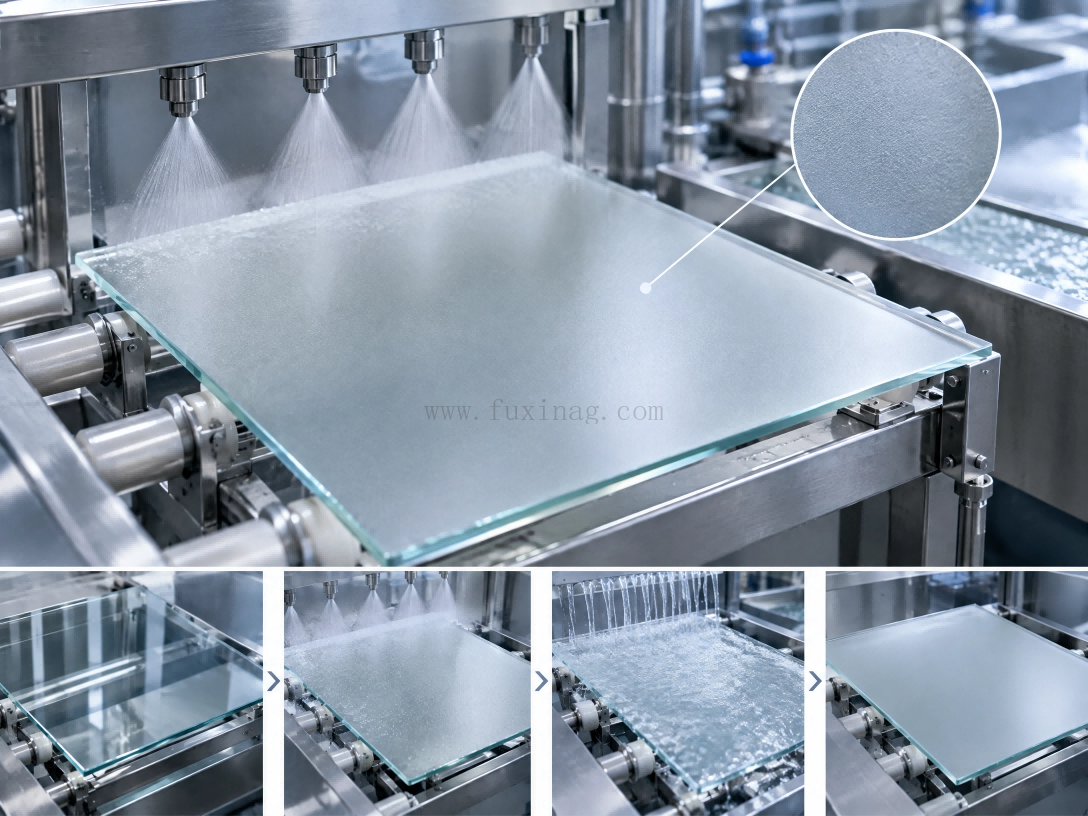
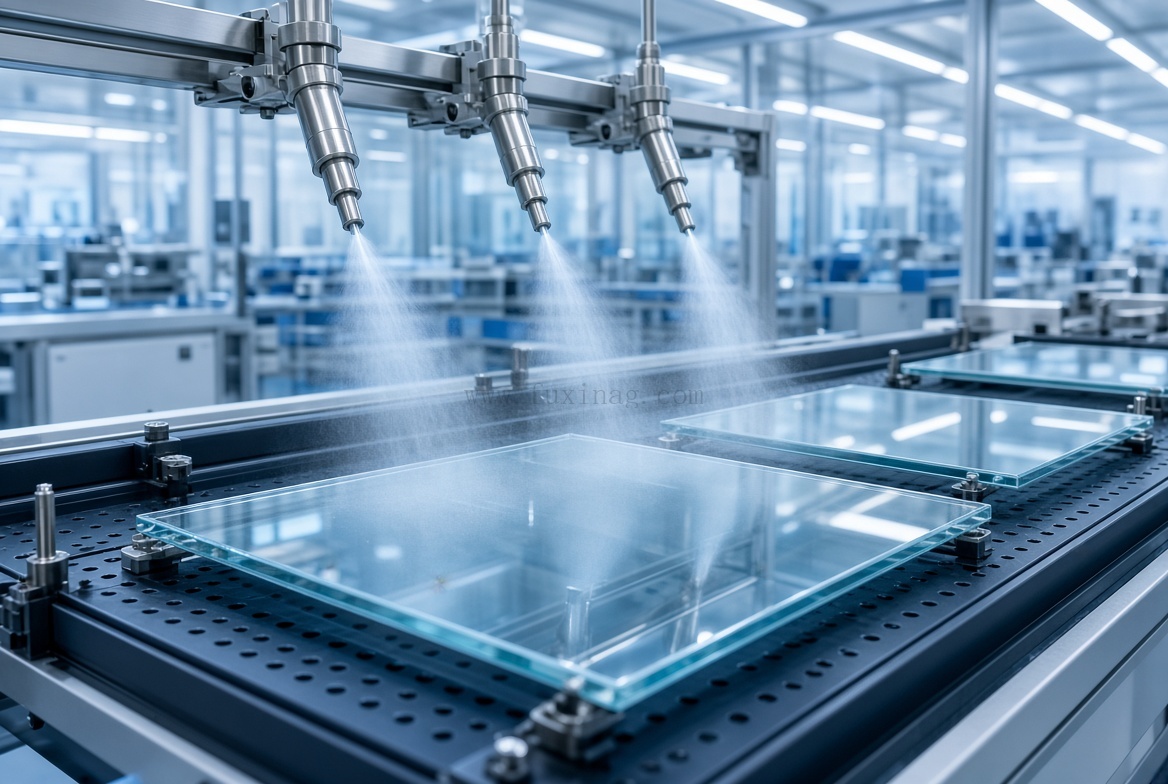
Anti-Glare (AG) Coating modifies the glass surface through chemical etching or specialized spray/textured coatings to create a microscopic rough texture. This scatters incoming light in multiple directions (diffuse reflection), preventing harsh specular (mirror-like) glare.
Key Benefits of AG Coating:
- Effectively reduces eye strain in bright or direct-light environments.
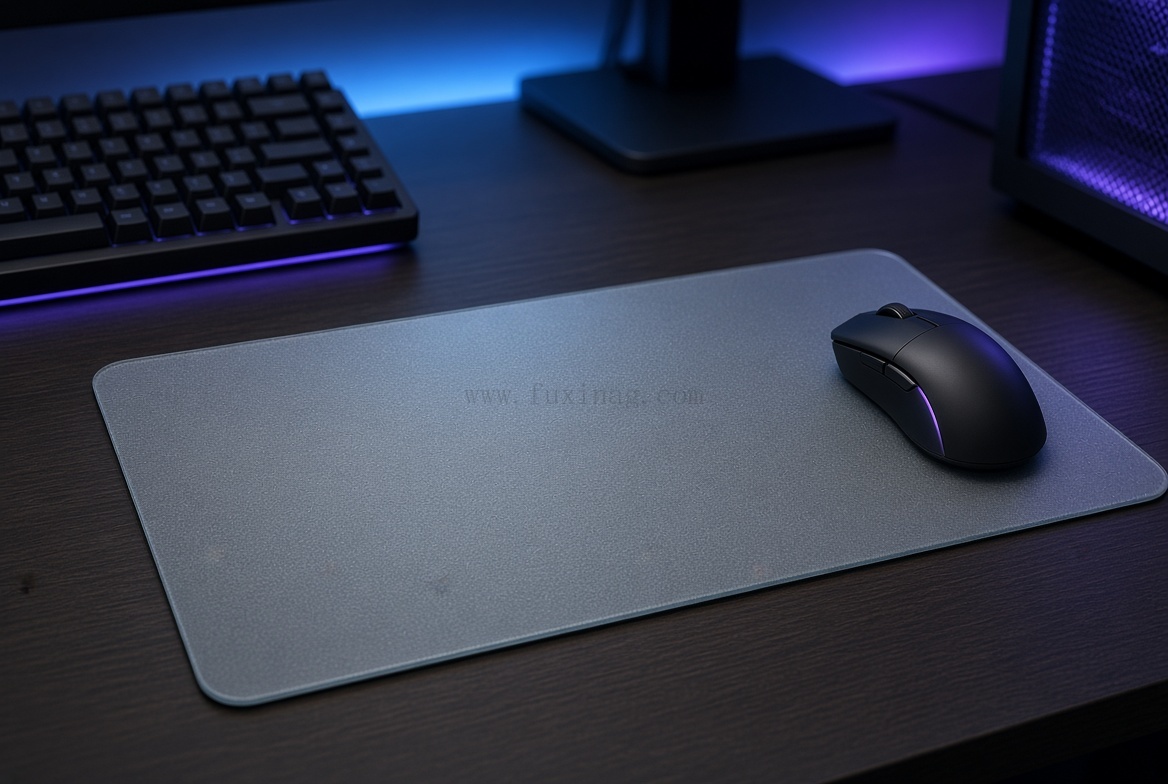
- Matte or low-gloss finish minimizes fingerprints and smudges visibility.
- Available in various haze levels (typically 1–25%) for customizable performance.
- More cost-effective for large-scale or high-ambient-light projects.
Common Applications: Outdoor kiosks, retail POS systems, industrial HMI panels, public information displays, and environments with strong overhead or sunlight exposure.
AR Coating vs AG Coating: Side-by-Side Comparison
| Feature | AR Coating (Anti-Reflective) |
AG Coating (Anti-Glare) |
| Principle |
Thin-film optical interference
|
Surface etching / Coating
|
|
Reflectance
|
<0.5–1%
|
4–8% (diffused)
|
|
Transmittance
|
>99%
|
88–95% (depending on haze)
|
|
Image Clarity
|
Crystal clear, high contrast
|
Slight softening/haze possible
|
|
Best Lighting
|
Variable or low-to-medium ambient
|
High ambient / direct bright light
|
|
Appearance
|
Glossy, invisible coating
|
Matte finish
|
|
Durability
|
Excellent (hard coating options)
|
Good, with options for scratch resistance
|
|
Cost
|
Generally higher
|
More economical for volume
|
Choosing the Right Coating for Your Needs
- Choose AR Coating when image fidelity, color accuracy, and maximum brightness are priorities (e.g., medical imaging, high-end retail displays, or energy-efficient solar applications).
- Choose AG Coating for environments with challenging lighting or where viewer comfort and reduced maintenance are key (e.g., outdoor digital signage or interactive kiosks).
- Consider project-specific factors: viewing angles, light sources, durability requirements, and budget.
At Fuxin Glass, we specialize in high-performance AG and AR coated glass solutions, including custom specifications for size, thickness, haze level, and multi-functional combinations. With advanced processing capabilities and a focus on quality, we help clients across Asia and global markets achieve superior optical performance.