

Products News
0102030405
How anti-fingerprint coating enhances AG glass for touchscreens?
2026-07-06
In today's touch-first world, display quality directly impacts user satisfaction, device longevity, and operational efficiency. Anti-Glare (AG) glass has long been the go-to solution for reducing reflections in bright environments, but when combined with advanced anti-fingerprint (AF) coating, it delivers a transformative upgrade for touchscreens across consumer electronics, industrial panels, automotive displays, and public kiosks.
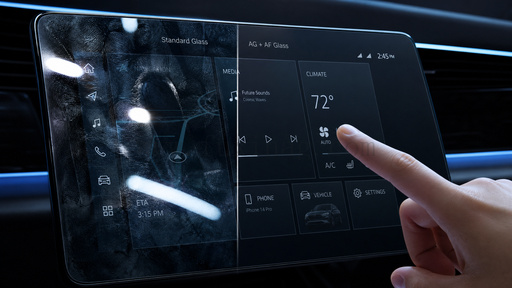
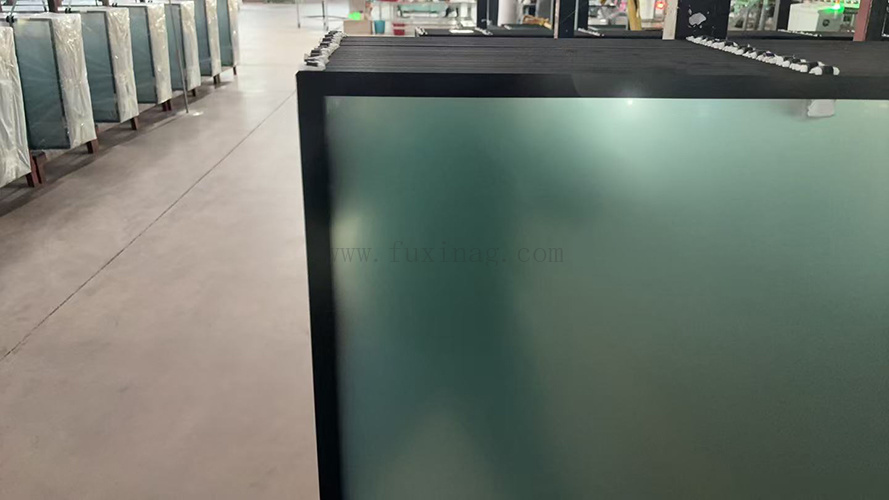
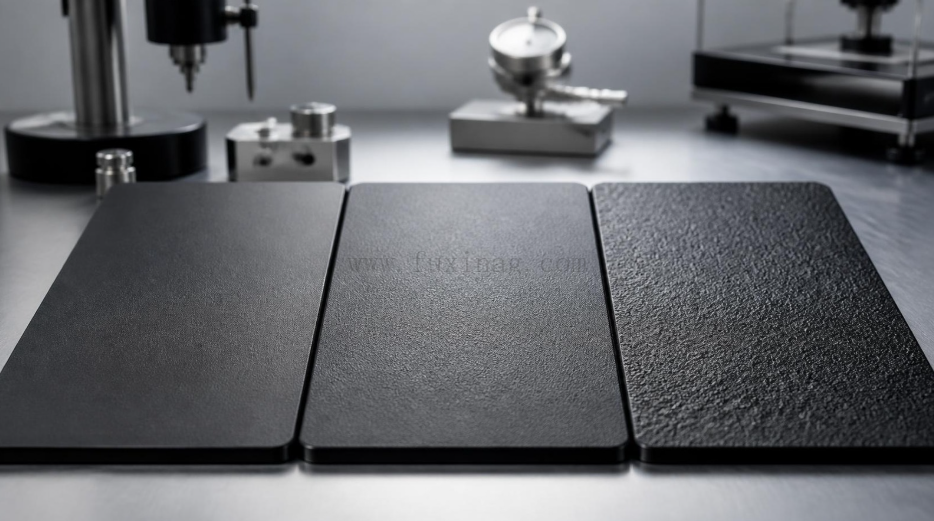
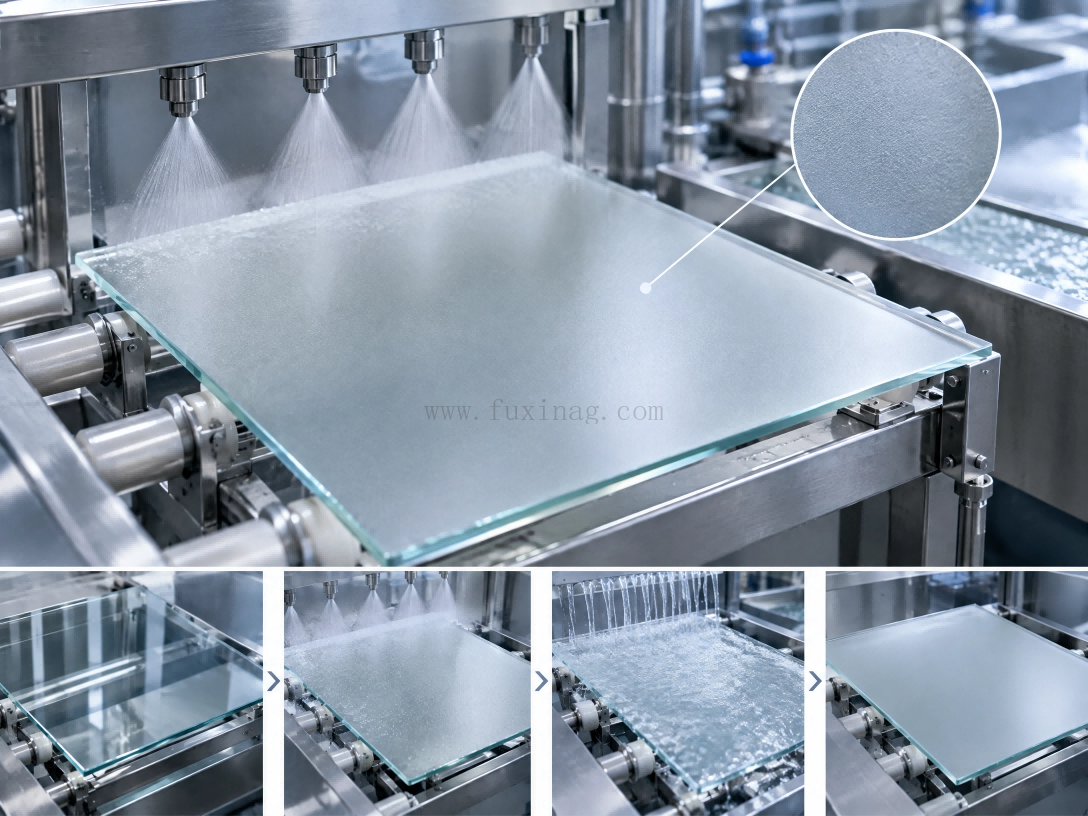
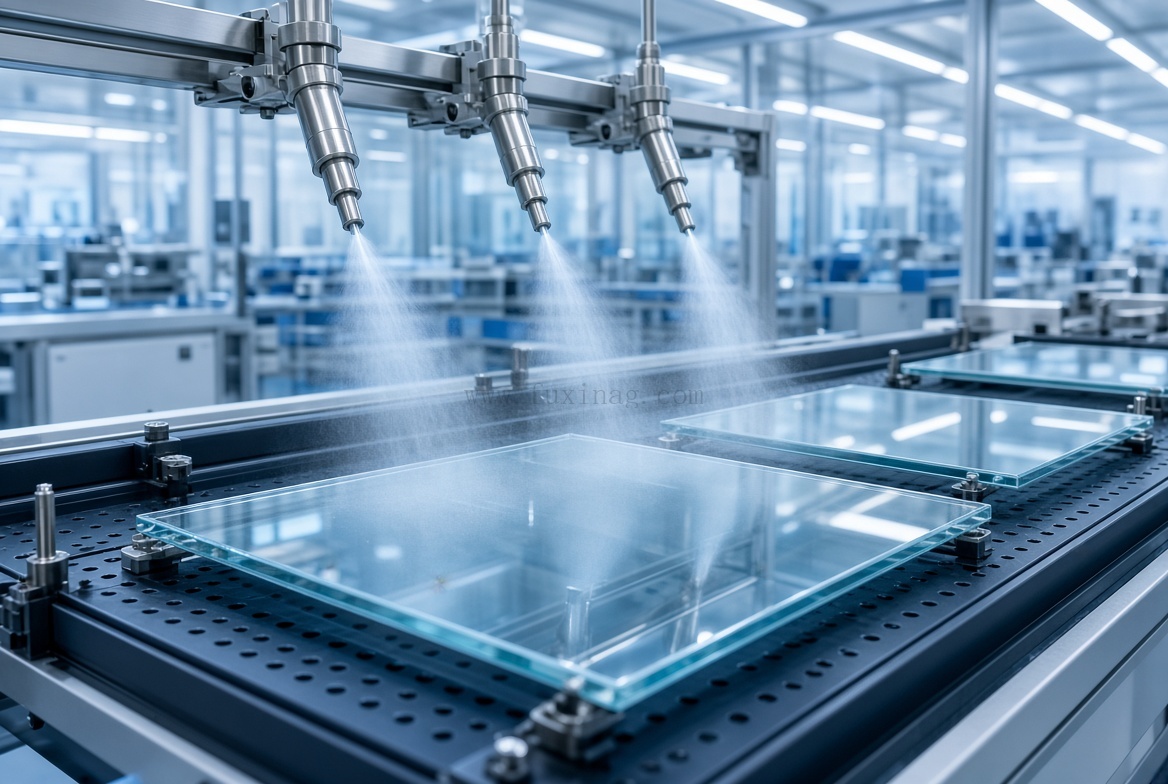
What Is AG Glass and Why Does It Matter for Touchscreens?Anti-Glare (AG) glass uses chemical etching or specialized spraying processes to create a matte, micro-roughened surface. This diffuses incoming light through scattering rather than direct reflection, significantly minimizing glare and improving readability in outdoor, brightly lit, or high-ambient-light conditions.
While AG glass excels at visibility, its textured surface can sometimes trap oils and smudges more noticeably than smooth glass, leading to faster buildup of fingerprints, reduced clarity over time, and a less premium touch feel.
The Power of Anti-Fingerprint (AF) CoatingAnti-fingerprint (AF) coating—also known as oleophobic or anti-smudge coating—applies a thin nano-layer (often inspired by the lotus leaf effect) that lowers surface energy. This makes the glass highly repellent to oils, water, and dirt from human touch.Key properties include:
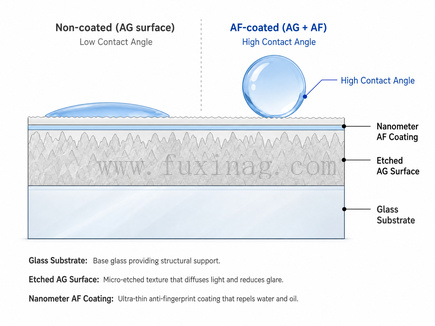
- High water and oil contact angles for beading and easy wipe-off.
- Reduced surface friction for smoother, more responsive swipes and gestures.
- Enhanced cleanliness and hygiene, critical for shared or high-touch applications.
How AF Coating Supercharges AG Glass PerformanceCombining AF coating with AG glass addresses the limitations of each technology while amplifying their strengths:
- Maintains Anti-Glare Benefits While Improving Cleanliness: The matte AG surface reduces glare, and the AF layer prevents oils from embedding into the texture, keeping the screen looking pristine longer.
- Enhanced Touch Experience: AF reduces friction, delivering a smoother glide (reports suggest up to 40% smoother touch on treated AG surfaces) and better gesture response.
- Extended Durability: AF protects the underlying AG treatment from degradation caused by oils, chemicals, and abrasion, potentially extending the effective lifespan of the display glass.
- Superior Optics and Hygiene: Fingerprints become far less visible and easier to clean, preserving clarity and reducing maintenance time—especially valuable in medical, retail, and industrial settings.
- Premium User Perception: Devices feel more responsive, cleaner, and higher-end, boosting customer satisfaction and brand perception.
Real-World Applications Driving Demand
- Consumer Electronics: Smartphones, tablets, and laptops benefit from fingerprint-resistant, glare-free screens.
- Automotive and In-Vehicle Displays: Critical for safety and usability in varying lighting.
- Industrial & Medical Touch Panels: High-frequency use demands easy cleaning and reliable performance.
- Public Kiosks and Digital Signage: Reduced smudging lowers maintenance costs and improves accessibility.

Why Choose Advanced AG + AF Solutions?As touchscreen adoption grows in demanding environments, manufacturers and integrators prioritizing AG glass with anti-fingerprint coating gain a competitive edge through better visibility, lower long-term costs, and superior user experience.For custom glass solutions optimized for your specific touchscreen requirements, our expert team delivers precision-engineered AG + AF cover glass with reliable performance, competitive pricing, and fast lead times.