Top 10 LED Glass Manufacturers in China for Global Buyers?
For global buyers, choosing a Led Glass manufacturer involves more than comparing online prices. It requires evidence of optical quality, processing control, export experience, and dependable communication. This guide introduces ten Chinese manufacturers serving architectural, interior, retail, and customized lighting projects. We examine how each company approaches transparent substrates, LED integration, edge sealing, wiring, and final inspection. The aim is practical guidance, not exaggerated promotion. Buyers need facts they can verify.
Our evaluation considers product range, manufacturing capability, project references, quality systems, and response speed. We also look for meaningful details: glass thickness options, light uniformity at close range, color-temperature consistency, connector protection, and packaging for long-distance shipping. Certifications can support trust, but certificates alone do not prove every batch is consistent. Sample approval, production photos, test reports, and a clear warranty remain important. Ask whether the factory performs aging tests, electrical safety checks, and visual inspections before dispatch. Small gaps often appear between a polished website and the delivered panel.
The manufacturers discussed here may suit different buying priorities. One may excel at custom dimensions, while another offers stronger engineering support or shorter lead times. No ranking is perfect. Specifications change, teams change, and project conditions vary. Therefore, use this list as a starting point for supplier verification. Confirm current certifications, minimum order quantities, shipping terms, installation guidance, and after-sales responsibilities directly with each company. A careful buyer should request a sample and test it under the intended lighting environment before approving a larger order. That modest step can prevent costly surprises.
What Is LED Glass and Why Does It Matter to Global Buyers?
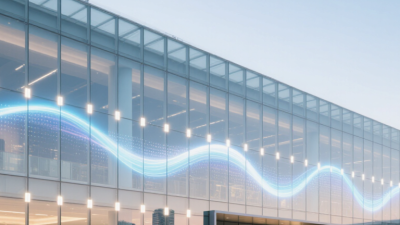
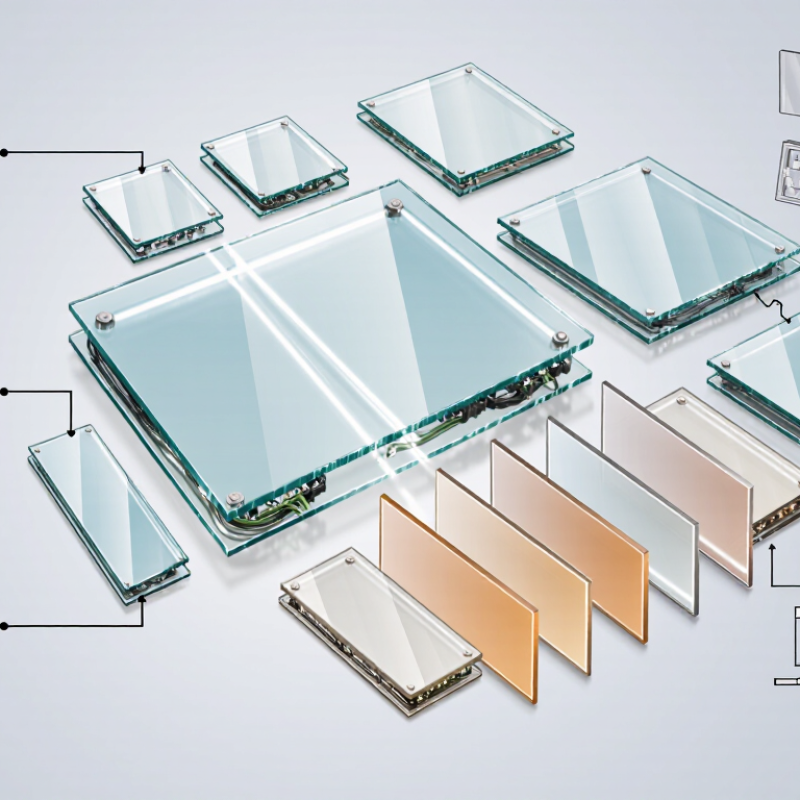
LED glass is a laminated architectural material with light-emitting diodes sealed between glass layers. When powered, it changes from a clear surface into a controlled visual display. When switched off, it can remain relatively transparent. This dual function suits shopfronts, hotel partitions, museums, offices, and transport interiors.
For global buyers, the value is not only brightness. It is also space efficiency. A window can provide daylight, branding, privacy, and information without adding a separate screen. During evaluation, check pixel pitch, viewing distance, transparency, brightness, color consistency, and power consumption. Ask for sample panels, wiring diagrams, test reports, and installation instructions. A reliable manufacturer should explain glass thickness, lamination methods, edge protection, and replacement procedures clearly.
Site conditions matter more than many product pages suggest. Outdoor projects may need protection from moisture, temperature changes, impact, and ultraviolet exposure. Indoor projects still require careful ventilation around power supplies. Installation tolerances are often underestimated. A small frame error can create visible alignment problems across several panels. LED glass is not automatically maintenance-free. Individual diode failure, cable damage, or uneven brightness may still occur. Buyers should also confirm warranty coverage, spare-part availability, delivery packaging, and technical support in their region. Specifications can look impressive, yet a poorly matched design may perform badly. Testing one complete sample under real lighting is a wiser step than trusting numbers alone.
How to Evaluate China’s Top LED Glass Manufacturers
Evaluating China’s top LED glass manufacturers starts on the production floor, not with a polished website. Ask to see glass tempering, edge finishing, LED installation, and final inspection areas. A capable supplier should explain its process in practical terms. Request batch records, material traceability, and defect rates from recent orders. Ask how the team handles uneven lighting, chipped edges, or moisture entering the assembly. Real experience appears in specific answers.
Compare samples using measurable criteria. Check brightness uniformity, color temperature, power consumption, heat management, wiring quality, and surface clarity. Test samples at the same voltage used in your project. Run them continuously for several days. A sample can still mislead. Ask for independent test reports and certifications relevant to the destination market. Generic documents are not enough. Confirm that the tested product matches the final glass thickness, size, and LED configuration.
Supplier reliability also depends on communication after the order. Review engineering drawings carefully, including cable exits, mounting holes, tolerances, packaging, and replacement procedures. Confirm lead times in writing, but allow space for delays. I have seen attractive quotations become expensive after small design changes. A factory audit, video inspection, or qualified third-party review can reveal storage problems and weak quality controls. Discuss warranty terms openly. The least impressive detail may matter most.
Key Products, Technologies, and Customization Capabilities
Top 10 LED Glass Manufacturers in China for Global Buyers
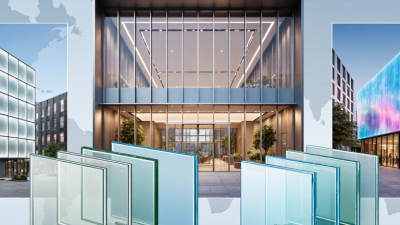
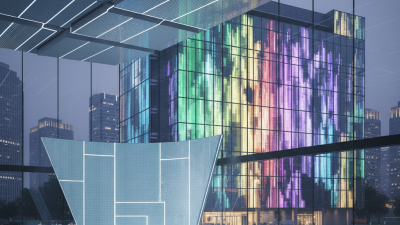
China’s leading LED glass manufacturers supply transparent displays for storefronts, curtain walls, showrooms, airports, and exhibition spaces. Common products include laminated LED glass, transparent LED screens, glass railings, and modular media façades. Experienced factories usually provide SMD or COB LED solutions, adjustable brightness, front or rear maintenance, and cloud-based control systems. Technical details matter. Pixel pitch, transparency, viewing distance, heat control, and waterproof ratings directly affect performance.
Customization separates capable suppliers from ordinary traders. Reliable manufacturers can modify panel dimensions, cabinet structures, glass thickness, connector positions, frame colors, and installation methods. Some teams also develop curved, corner, suspended, or irregular-shaped displays. Ask for engineering drawings, sample testing, optical data, and installation guidance. A factory may promise “fully customized” service, yet its production limits can appear later. That gap deserves careful questioning.
Tips: Request a working sample before placing a large order. Compare brightness in daylight, not only in a dark showroom. Check power consumption, spare parts, warranty terms, and software compatibility. Ask whether testing covers temperature, moisture, vibration, and long operating hours. Factory audits and video inspections add useful evidence, but they cannot replace independent verification. No supplier is perfect. A lower price may conceal weaker glass, uneven lighting, slower support, or expensive replacement work. Keep every specification in the contract.
How Global Buyers Can Compare Suppliers and Choose the Right Partner
When comparing the top 10 LED glass manufacturers in China, global buyers should look beyond product photos and quoted prices. A supplier’s real capability appears in samples, factory records, and communication habits. Request a working glass panel with the exact size, LED density, brightness, color temperature, and glass thickness you need. Check edge finishing, wiring, heat control, and visibility under normal indoor light.
Ask each manufacturer for production lead times, minimum order quantities, packaging details, and defect-handling procedures. Relevant test reports and export documents should match your destination market. A factory audit can reveal useful details, such as clean assembly areas, calibrated testing equipment, and organized material storage. Do not rely on certificates alone. Their issue dates and product coverage deserve careful checking.
Price comparisons should include replacement parts, installation guidance, warranty terms, and shipping protection. A low unit price may become expensive after damaged panels or delayed production. I once considered response speed a minor issue; it was not. Slow answers often create costly misunderstandings later. Still, perfect communication does not guarantee perfect manufacturing. Request a pilot order before signing a larger contract, then record brightness readings, dimensions, packaging damage, and delivery time. Compare the evidence in one shared table. Choose the partner that performs consistently, explains problems honestly, and can adapt without making unsupported promises.
How Global Buyers Can Compare LED Glass Suppliers
This procurement scorecard uses practical criteria commonly assessed in commercial LED glass RFQs. Optical performance, product reliability, customization capability, production capacity, export support, and total cost should be reviewed together before selecting a manufacturing partner. The percentages represent recommended evaluation weights rather than claims about any individual company.