inquiry
Leave Your Message

Why Choose Led Glass for Your Global Projects?

Why Choose Led Glass for Your Global Projects?

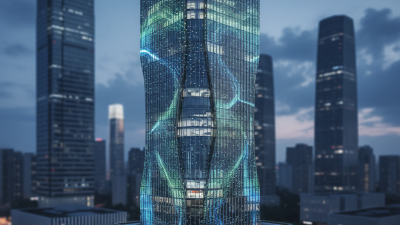
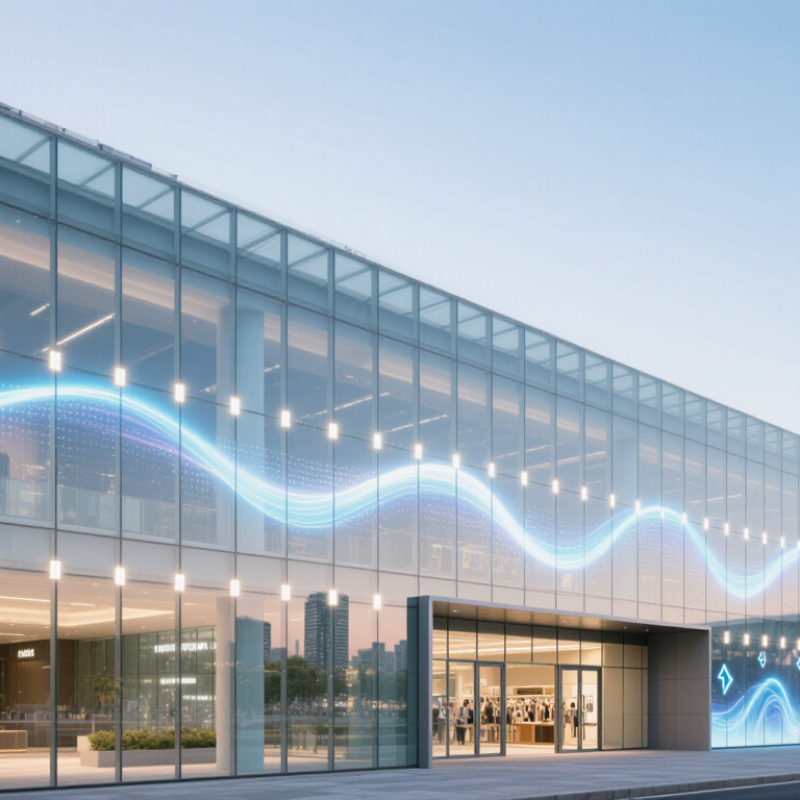
Led Glass is changing how buildings communicate, illuminate, and connect with their surroundings. It combines transparent architectural surfaces with programmable LED technology. During daylight, a façade can remain open and bright. After sunset, it can display controlled visuals without covering the entire window with a solid screen.

The difference is visible at street level.

A retail entrance may show a soft brand animation while customers still see inside. An airport can present directions across a glass partition. A hotel lobby can create warm lighting, instead of a harsh digital wall. These applications require more than attractive images. They demand reliable brightness, careful thermal planning, weather resistance, and stable control systems across different regions.

Shuji Nakamura, a leading LED technology expert, has said, “The blue LED is the key to the development of white LEDs.” His observation reflects a wider lesson: successful display projects depend on the underlying technology, not only the final appearance. For global projects, Led Glass must also support local installation conditions, maintenance skills, power standards, and content requirements.

That part is often underestimated.

In real projects, glass alignment can affect visual consistency. Dust, heat, and changing sunlight can expose weak design decisions. A specification that works in one city may perform poorly elsewhere. Therefore, project teams should test samples under realistic viewing distances and lighting conditions before committing to large-scale production.

Led Glass is not automatically the best answer. It becomes valuable when transparency, communication, and architectural design must work together. Its strongest results come from measured planning, honest testing, and continued technical review.
Why Choose Led Glass for Your Global Projects?

What Is LED Glass and How Does It Work?

LED glass is laminated architectural glass with tiny LEDs, conductive traces, and control components sealed between layers. Unlike a traditional display, it can remain transparent when switched off. When powered, selected LEDs create text, patterns, or soft illumination across the panel.

The system uses low-voltage power supplies and a control unit. Signals travel through embedded circuits, activating individual light points. The glass may use edge lighting or distributed LEDs, depending on viewing distance and brightness needs.

The U.S. Department of Energy reports that LED lighting can use at least 75% less energy than incandescent lighting and last up to 25 times longer. The International Energy Agency also estimates that lighting represents about 15% of global electricity consumption.

These figures support efficient choices, but LED glass still requires careful thermal and electrical design.

Tips: Confirm panel weight, outdoor ratings, viewing angles, and maintenance access before approval. Ask for photometric data, safety testing, and replacement procedures. Do not judge brightness in a showroom alone. Sunlight changes everything.

For global projects, LED glass can combine façades, partitions, signage, and visual storytelling without blocking daylight. Laminated construction may improve safety and durability, yet it can increase thickness and cost.

Installation errors remain possible, especially around connectors and moisture barriers. A practical design should leave service access behind the glass. This detail is often forgotten.

According to the U.S. Department of Energy’s solid-state lighting research, efficiency improves through optics, thermal control, and electronics, not LEDs alone. That reminder matters when every panel must perform reliably across different climates.
Key Features That Set LED Glass Apart

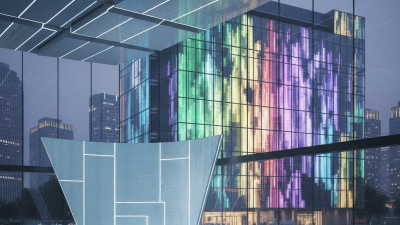
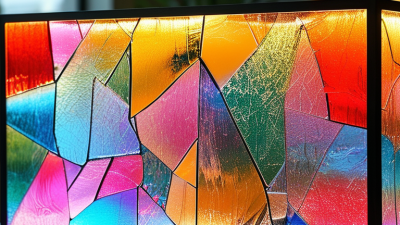
LED glass combines architectural glazing with programmable light, creating communication surfaces without blocking every sightline. Its defining feature is controlled transparency. Daylight can still enter, while animated content appears when brightness and contrast are properly calibrated.

The energy case is significant, but it needs careful measurement. The International Energy Agency reports that lighting uses about 15% of global electricity and produces roughly 5% of energy-related greenhouse-gas emissions. LED technology can reduce lighting energy substantially compared with incandescent systems, according to the U.S. Department of Energy. However, LED glass is not automatically efficient. Controllers, ventilation, content brightness, and operating hours affect real consumption. A lux meter and overnight power test reveal more than a brochure.

Durability also sets LED glass apart. Laminated construction can support safer façade integration, while sealed electronics help resist dust and moisture. Project teams should check local glazing requirements, thermal expansion, fire performance, and maintenance access before installation. In humid coastal environments, edge sealing deserves special attention. It is easy to underestimate. Transparent displays may lose visual impact under direct sunlight, and higher brightness can weaken energy savings. A daylight mock-up, viewed from the actual street distance, exposes these compromises early. Industry project experience suggests that readability, heat control, and service access must be designed together, not added later. Data from the U.S. Department of Energy also shows that LED lifetime depends on thermal management, so a cooler installation may outperform a brighter one over time.

Why Choose LED Glass for Your Global Projects?

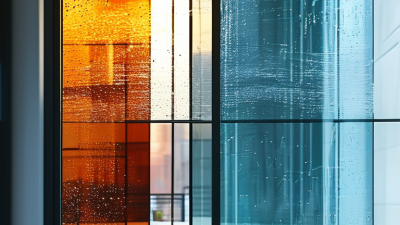
Key features that set LED glass apart: high transparency, visual impact, and design flexibility for architectural applications.

Typical planning values for transparent LED display glass by pixel pitch. A wider pixel pitch generally allows higher light transmission; actual performance varies by glass structure, LED density, brightness, and installation conditions.

Benefits of LED Glass for Global Construction Projects

Why Choose LED Glass for Your Global Projects?

Global construction projects need more than attractive façades. They need efficient, adaptable, and locally practical building systems. LED glass combines transparent architecture with controlled illumination and digital communication. It can preserve daylight while displaying information, patterns, or safety messages. That matters in airports, offices, retail spaces, and public facilities.

UNEP’s 2023 Global Status Report states that buildings consume about 30% of global final energy. They also produce roughly 26% of energy-related emissions. LED glass cannot solve that challenge alone. However, it can reduce the need for separate signs, screens, and illuminated structures. The U.S. Department of Energy’s 2023 solid-state lighting report identifies laboratory LED efficacies above 200 lumens per watt. System performance will be lower. Glass layers, drivers, controls, and heat management affect real results.

Experience shows that installation details matter more than marketing claims. Designers should check viewing distance, daylight exposure, humidity, cleaning access, and local electrical requirements. Regional standards may also influence emergency visibility and façade safety. A poorly calibrated display can waste energy and disturb occupants. It may look impressive, but still perform badly.

The International Energy Agency’s 2024 Energy Efficiency report emphasizes efficient controls and whole-building design. LED glass works best when brightness follows occupancy and daylight conditions. Commissioning requires testing at night, under direct sun, and during maintenance. Results can be imperfect. That is precisely why project teams should measure energy use, visibility, and occupant feedback after installation.

Why Choose LED Glass for Your Global Projects? - Benefits of LED Glass for Global Construction Projects

Data Dimension Typical LED Glass Characteristics Conventional Building-Glass Reference Value for Global Construction Projects
Visible Light Transmission Approximately 10%–60%, depending on LED density, glass composition, interlayer design, and display resolution. Clear architectural glass commonly provides approximately 70%–90% visible light transmission. Allows designers to balance transparency, daylight, privacy, and digital communication according to the building façade or interior zone.
Display Transparency Transparent display surfaces can preserve outward visibility while presenting text, graphics, or video when illuminated. Conventional glass provides daylight and views but does not provide an integrated digital display function. Supports retail façades, airports, museums, hospitality venues, transport hubs, and corporate interiors without adding a separate LED wall.
Daylight and Space Efficiency Combines a glazed architectural surface and a visual communication layer within the same installation zone. Separate signage or display systems generally require additional wall, ceiling, or façade space. Can help reduce visual clutter and preserve usable floor area in space-constrained urban projects.
Energy Consumption Often falls within approximately 100–400 W/m² at maximum brightness; actual operating energy is lower when content uses partial brightness or scheduled operation. Non-illuminated glass consumes no display electricity, although building cooling and lighting loads depend on the glass specification. Enables timed operation, brightness control, and content scheduling to support energy-management strategies and local operating requirements.
Operating Brightness Common architectural applications use approximately 3,000–6,000 nits; higher levels may be selected for direct-sunlight environments. Conventional glass has no self-emissive brightness and relies on reflected or transmitted daylight. Brightness can be selected for indoor, shaded outdoor, or high-daylight locations while reducing glare through automatic dimming.
Viewing Angle Typically supports a wide viewing angle of about 120°–160°, depending on LED package and optical design. Glass itself can be viewed from broad angles, but it does not produce digital content. Improves visibility for pedestrians and occupants approaching from different directions in public and commercial spaces.
Safety Construction Can be manufactured as laminated safety glass, with embedded LEDs and wiring protected within the glazing assembly. Safety glazing may use tempered or laminated construction depending on location, impact risk, and building regulations. Supports compliance planning for doors, partitions, balustrades, façades, and other applications when the complete assembly is properly tested and specified.
Thermal Performance Insulating performance depends on the complete unit, including glass thickness, cavity configuration, coatings, framing, and LED integration. Double- and triple-glazed low-emissivity units can achieve significantly better insulation than single glazing. LED glass should be evaluated as part of the whole façade system rather than as a standalone energy-saving product.
Weather Resistance Outdoor systems require sealed construction, protected electrical connections, drainage design, and an enclosure rating appropriate to the exposure. Standard exterior glazing does not normally contain active electronic components. Project teams can select the appropriate protection level for rain, dust, humidity, temperature variation, and coastal or urban environments.
Content Flexibility Supports programmed text, images, animation, video, emergency messages, and time-based content through a compatible control system. Static printed graphics or conventional signs require physical replacement or manual updating. Makes the façade or interior surface adaptable for multilingual communication, campaigns, wayfinding, and public information.
Maintenance Approach Requires inspection of control units, power supplies, connectors, software, ventilation, and individual LED modules where applicable. Conventional glass generally requires cleaning, seal inspection, and replacement only when damaged or failed. Maintenance access, spare components, remote monitoring, and local technical support should be included during design development.
Service Life Consideration LEDs are commonly rated for up to approximately 50,000–100,000 operating hours, while actual system life depends on heat, drive current, moisture protection, and maintenance. Glass can remain serviceable for many decades when the frame, seals, coatings, and installation are maintained. A lifecycle plan should distinguish between the long service life of the glazing and the replacement cycles of electronic components.
Global Compliance Planning May require review of structural glazing, electrical safety, electromagnetic compatibility, fire performance, ingress protection, photometric limits, and local signage rules. Conventional glazing is primarily assessed under local safety, structural, thermal, acoustic, and energy codes. Early coordination with architects, façade engineers, electrical consultants, authorities, and installers helps reduce approval and scheduling risks.
Best-Fit Applications Transparent façades, atriums, reception areas, retail windows, museums, airports, hospitality spaces, transport facilities, and branded environments without relying on a separate display wall. Suitable for daylighting, enclosure, separation, views, and thermal or acoustic design without integrated digital content. Provides a multifunctional surface where architectural transparency and dynamic communication are both project priorities.

Note: Values are typical industry ranges for preliminary comparison. Final performance depends on the complete glass assembly, LED configuration, climate, operating schedule, installation details, and applicable local codes.

Design, Safety, and Performance Considerations

Why Choose LED Glass for Your Global Projects?

Design, Safety, and Performance Considerations

For global projects, LED glass can combine visual impact with practical space planning. It creates transparent displays, illuminated partitions, and striking entrances without adding bulky fixtures. In a hotel lobby, soft light can guide visitors while preserving sightlines. In a retail setting, controlled brightness can highlight products without overwhelming them. The design must begin with viewing distance, ambient light, glass size, and cleaning access. A beautiful concept may fail if maintenance access is ignored.

Safety requires more than attractive renderings. Qualified glass, façade, and electrical engineers should review each application. They need to consider impact resistance, edge protection, moisture exposure, heat, and cable routing. Local building, fire, electrical, and accessibility requirements still apply. Certification should match the installation conditions, not just the product category. An independent review helps. It can reveal gaps early.

Performance depends on accurate planning and disciplined installation. Teams should confirm brightness, viewing angles, power demand, ventilation, control systems, and replacement procedures. A small mock-up can expose reflections, uneven illumination, or distracting hotspots. It also shows how the glass looks in daylight and at night. Energy use may be lower than conventional displays, but this is not automatic. Oversized drivers, excessive brightness, and poor scheduling can erase the benefit. Specifications sometimes sound more certain than real sites. That deserves honest review.

How to Select LED Glass for Different Project Requirements

Why Choose LED Glass for Your Global Projects?

How to Select LED Glass for Different Project Requirements

Selecting LED glass starts with the project, not the product catalogue. For retail windows, prioritize transparency, slim construction, and clear images at close range. For façades, check viewing distance, brightness, pixel pitch, and daylight performance. A finer pitch usually improves detail, but it can increase cost and power demand. The best choice balances appearance, energy use, and maintenance access.

Measure the installation environment carefully. Outdoor projects may face rain, dust, strong sunlight, and large temperature changes. Confirm suitable protection ratings, heat management, structural weight, and local electrical requirements.

Indoor displays often need lower brightness and stronger transparency. Ask for samples under real lighting conditions. Studio samples can mislead.

Installation details matter greatly. Check glass dimensions, cable routes, controller placement, and replacement methods before ordering. I once underestimated access space behind a display. That mistake changed my checklist.

Reliable suppliers should provide test data, installation guidance, and clear warranty terms. Independent inspection can also verify brightness, color consistency, electrical safety, and long-term stability.

Requirements differ across countries, so local engineers should review permits and building standards. Small gaps in planning become expensive later.