What is Scratch Resistant Glass and How Does It Work?
Scratch Resistant Glass has become a critical component in modern technology. This glass is designed to withstand scratches, providing durability and longevity. Experts like Dr. Emily Hunter, a materials scientist, emphasize its significance. She once stated, "Scratch Resistant Glass not only protects devices but also maintains their aesthetic appeal."
Understanding how Scratch Resistant Glass works involves exploring its manufacturing process and material composition. This glass is often treated with special coatings or made from specific materials that enhance its resistance to scratches. The application of technology in this field is fascinating. However, not all products live up to the high standards set by industry leaders.
While the advantages are clear, perfection is hard to achieve. Some products claim to be scratch-resistant but may fail under certain conditions. Consumers must remain critical and informed. It’s essential to research different options before making a purchase. Scratch Resistant Glass offers numerous benefits, yet being aware of potential limitations is equally important.

What is Scratch Resistant Glass?
Scratch resistant glass is a type of glass designed to withstand scratches and abrasions. This special glass uses various materials and coatings to enhance its durability. It offers a level of protection that regular glass lacks. The process often involves adding sapphire or special polymers, which increase hardness.
While scratch resistant glass can greatly reduce visible marks, it is not entirely impervious to damage. Users may find that under extreme conditions, scratches can still occur. It's crucial to understand the limitations of these materials. Everyday items can still cause minor abrasion.
In many applications, scratch resistant glass provides clear benefits. It is commonly used in electronics, eyewear, and automotive industries. The appeal lies in maintaining clarity and aesthetics over time. However, the effectiveness can vary based on quality and environmental factors. Awareness of these nuances is essential when choosing scratch resistant options.
Scratch Resistant Glass Comparison
The Composition of Scratch Resistant Glass
Scratch resistant glass is composed of specialized materials that enhance its durability. Commonly, this glass integrates silica and alumina to achieve strength. These materials undergo a rigorous manufacturing process. This process typically includes high temperatures and specific treatments. Such methods increase the surface hardness of the glass.
The addition of various compounds plays a crucial role. For instance, titanium dioxide is often incorporated, providing added scratch resistance. This compound bonds well with other materials, creating a solid matrix. Some formulations may also include unique polymers. These polymers further enhance scratch resistance, but they can affect clarity. Different glass compositions may lead to varied results; not every type will be equally effective.
Despite advancements, challenges remain in perfecting scratch resistant qualities. There are trade-offs between clarity and durability. Some glasses may become cloudy with aggressive treatments. Users need to consider their specific needs when selecting. Understanding the composition can guide better choices in a competitive market. No solution is entirely flawless, and awareness can lead to more informed decisions.
How Scratch Resistant Glass is Made
Scratch-resistant glass is a popular choice for various applications, including eyewear, smartphones, and displays. Its durability comes from a special manufacturing process that enhances its resistance to scratches. Understanding this process is crucial for appreciating the longevity of your products.
To create scratch-resistant glass, manufacturers often begin with a high-quality glass base, ensuring it is free from impurities. They introduce protective coatings made from special materials like sapphire or other minerals. These coatings bond well with the glass, creating a tougher outer layer. This layer can withstand daily wear and tear. The application of heat during the process helps to improve the glass’s overall structure.
Tips: When using scratch-resistant glass, avoid exposing it to sharp objects unnecessarily. Regular cleaning with soft cloths can also maintain its clarity. Always check the manufacturer's guidelines about care. While these materials are more durable, they can still be scratched under certain conditions. Being mindful of how you handle and store items made with this glass is essential for preserving their condition.
The Benefits of Using Scratch Resistant Glass
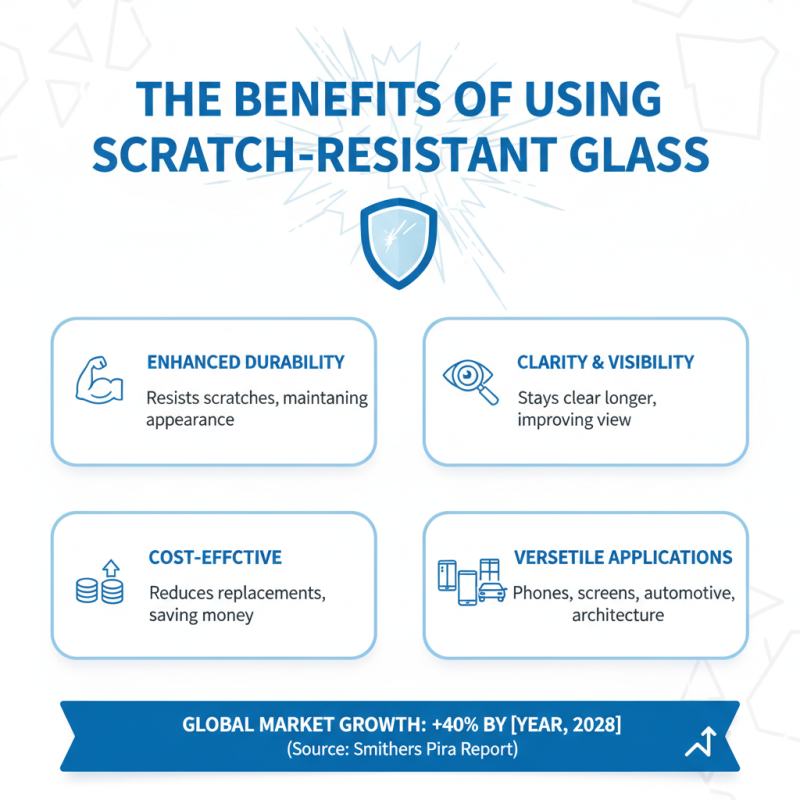
Scratch resistant glass offers significant advantages across various applications. This type of glass is designed to withstand scratches and maintain its clarity. According to a report from Smithers Pira, the global market for advanced glass technologies is expected to grow by 40% over the next few years. This growth suggests a rising interest in materials that enhance durability and longevity.
Using scratch resistant glass reduces maintenance costs. The glass can sustain heavy use without showing wear. A study by the Glass Association found that buildings using this material reduced replacement costs by up to 25%. However, it is essential to recognize that even scratch resistant surfaces can fail under extreme conditions, leading to the need for ongoing evaluation of performance.
Another benefit lies in aesthetic appeal. Scratch resistant glass maintains a clean and polished look over time. In residential and commercial spaces, this contributes to a perception of quality. Yet, challenges remain. For instance, while the glass resists scratches, it can still suffer from chemical damage. Continuous research is necessary to improve these materials further, ensuring they meet evolving user needs.
Applications of Scratch Resistant Glass in Everyday Life
Scratch-resistant glass is increasingly common in various everyday items. This specialized glass is designed to withstand scratches and abrasions, making it ideal for high-traffic areas. You'll find it in smartphones, tablets, eyewear, and even watches. Its durability helps maintain clarity and extends the lifespan of many products.
In addition to electronics, scratch-resistant glass plays a crucial role in the automotive industry. Car windows are often made from this type of glass to prevent scratches from dirt and debris. This not only enhances visibility but also improves safety for drivers and passengers. Many modern homes incorporate scratch-resistant glass in kitchen countertops and tables, combining practicality with aesthetic appeal.
Despite its toughness, scratch-resistant glass is not invincible. It can still be marred by extreme conditions or sharp objects. Users should remain aware of this limitation. Regular cleaning with appropriate materials is vital to prolong its pristine condition. Balancing durability with care is essential for maximizing the benefits of scratch-resistant glass in our daily lives.