How to Choose Scratch Resistant Glass for Your Home and Office?
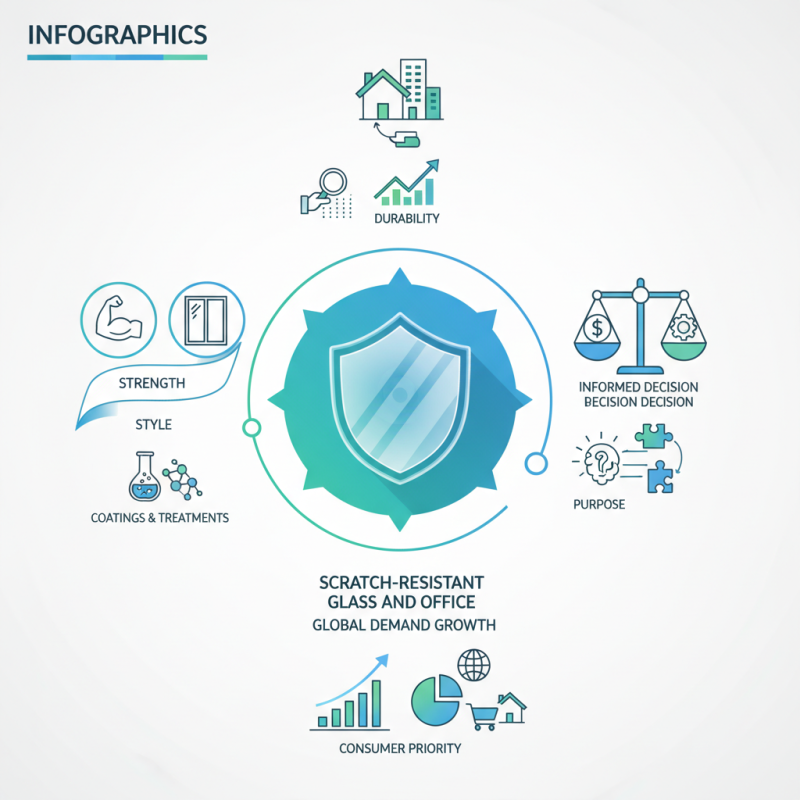
Choosing the right glass for your home or office can be complex. Scratch Resistant Glass is often preferred for its durability. According to a recent report by Research and Markets, the global demand for scratch-resistant materials is expected to grow significantly. This is largely due to their applications in various sectors, including construction and electronics.
When selecting scratch-resistant glass, consider strength and style. This type of glass uses coatings or treatments that enhance its resilience against scratches. A study conducted by J.D. Power indicates that over 60% of consumers prioritize durability when making purchases related to home improvement. This highlights the increasing awareness of the benefits of scratch-resistant glass.
However, not all scratch-resistant glasses are equal. Some may still develop minor scratches under extreme conditions. It’s crucial to assess the specific needs of your space. The price may vary significantly. This complexity means there’s room for mistakes when choosing. Making an informed decision requires careful consideration of quality and purpose.
Understanding the Importance of Scratch-Resistant Glass in Interiors
Understanding scratch-resistant glass is crucial for both home and office interiors. This type of glass provides durability and maintains aesthetic appeal over time. It reduces the fear of unsightly scratches that can detract from a space. In areas with high foot traffic or potential for accidents, this glass option stands out.
Tips for selecting the right scratch-resistant glass include checking the glass composition. Certain coatings enhance resistance significantly. Look for options treated with advanced technologies for optimal performance. Additionally, consider the thickness of the glass. Thicker glass typically offers better protection against impact and scratches.
Another aspect to reflect on is the cost. Scratch-resistant glass can be more expensive initially. However, the long-term benefits often justify the expense. It prevents the need for frequent replacements or repairs, which can add up. Weighing these factors can lead to a more informed choice for enhancing interior spaces.
Types of Scratch-Resistant Glass: Options for Home and Office Usage
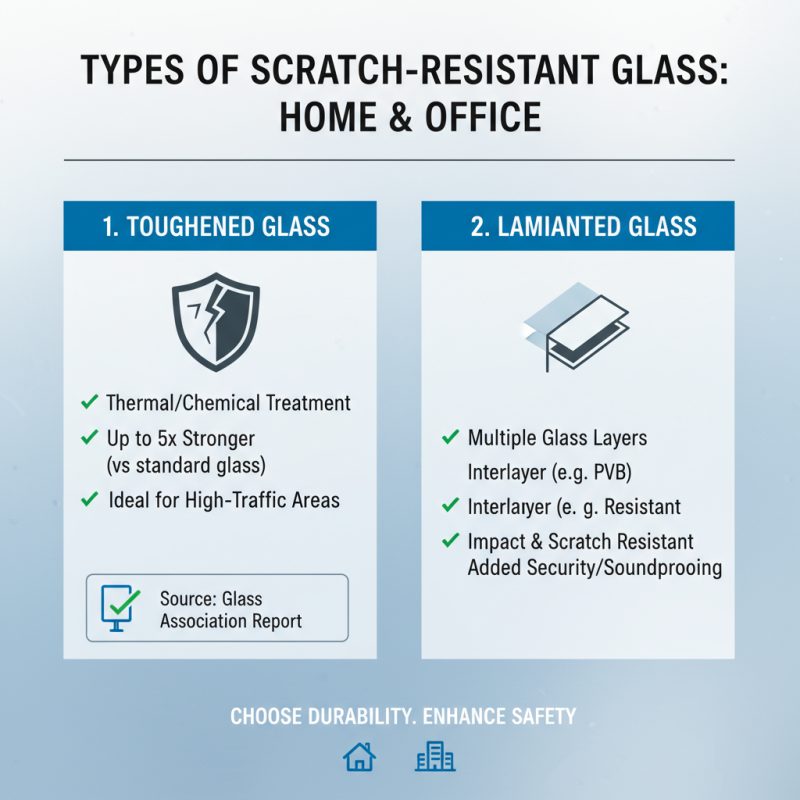
When selecting scratch-resistant glass for both home and office uses, it is essential to understand the types available. Toughened glass, commonly treated through thermal or chemical processes, is known for its durability. According to a report by the Glass Association, toughened glass can be up to five times stronger than standard glass. This makes it a favored option for high-traffic areas.
Laminated glass is another popular type. It consists of two or more layers of glass bonded with a plastic interlayer. This construction not only enhances scratch resistance but also adds safety. Data shows that laminated glass can absorb impact better than other types, reducing the risk of breakage. This is especially beneficial in sports facilities or homes with children.
Coatings can also be added to enhance scratch resistance. Special treatments, such as those that use nanotechnology, can be effective. However, these treatments may wear over time. It's crucial to consider the environment in which the glass will be used. Understanding the specific demands of each space can clarify the best options. Reflecting on these factors helps ensure you choose the right type of scratch-resistant glass for your needs.
Evaluating Durability: Industry Standards for Scratch-Resistant Glass
When selecting scratch-resistant glass, understanding industry standards is crucial. The American Society for Testing and Materials (ASTM) has specific tests to evaluate scratch resistance. They use the Pencil Hardness Test as a primary measure. This test grades glass hardness by checking if it gets scratched by pencils of varying hardness. A glass rated 9H means it can withstand scratches from harder materials.
Another important standard is the Taber Abraser test. This test exposes glass to abrasive wheels that simulate everyday wear and tear. Results show that high-quality scratch-resistant glass can last significantly longer than standard glass. Some reports indicate that upgraded glass can resist scratches up to 300% better than lesser options. However, just having a high rating doesn’t guarantee durability. Environmental factors, like UV exposure and cleaning practices, can also affect performance.
Installation is another aspect often overlooked. Proper installation can prevent micro-cracks or stress points that might lead to scratching over time. Some professionals caution against assuming that all scratch-resistant options are created equal. Examination of warranties and customer reviews helps identify the best choices. Understanding these factors creates a more informed decision and helps ensure the longevity of your investment.
How to Choose Scratch Resistant Glass for Your Home and Office?
| Feature |
Description |
Durability Rating (MOHS) |
| Material Type |
Tempered Glass |
6-7 |
| Coating |
Anti-scratch Coating |
5-6 |
| Thickness |
6 mm |
N/A |
| Impact Resistance |
High |
N/A |
| Weather Resistance |
UV Resistant |
N/A |
Cost-Benefit Analysis: Investing in Scratch-Resistant Glass Solutions
When considering scratch-resistant glass for your home or office, a cost-benefit analysis is essential. Scratch-resistant glass typically costs more than standard options. However, the long-term benefits can outweigh the initial expense. This type of glass tends to last longer. It can reduce maintenance costs associated with repairs or replacements.
Investing in scratch-resistant glass can enhance the aesthetic appeal of your space. Imagine viewing through crystal-clear surfaces free from scratches. You create a welcoming environment. Yet, it's essential to consider how much wear and tear your glass will face. High-traffic areas may demand more durable choices.
While these solutions are robust, they are not invincible. They still require care to maintain their appearance. Regular cleaning helps prevent build-up of dirt and grime. Balancing upfront costs with these considerations will help you make a wise investment. It's worth reflecting on your specific needs and usage patterns. This way, you can choose the right glass solution for your environment.
Installation Tips: Ensuring Optimal Performance of Scratch-Resistant Glass
When installing scratch-resistant glass, proper handling is crucial. Start by choosing the right tools. Use a suction cup to lift the glass without leaving fingerprints. This prevents smudges during installation. Always wear protective gloves to avoid scratches on the surface while working.
Ensure the surface where the glass will be installed is clean and dry. Any debris can cause gaps, leading to potential weak points. Use a level to check the alignment. An unlevel installation can cause stress points, risking cracks in the future. Double-check measurements before making any cuts; mistakes at this stage can lead to wasted materials.
After installation, provide adequate support to the glass. Use spacer blocks as needed to ensure even distribution of weight. Regularly inspect for any signs of wear or damage. Remember that while scratch-resistant glass is durable, it is not invincible. Addressing issues early can save time and money down the line.
Scratch-Resistant Glass Durability Ratings