What is Heat Protection Glass and How Does It Work?
Heat Protection Glass is becoming increasingly essential in modern architecture. As energy efficiency standards rise, this type of glass reduces heat transmission, helping buildings maintain optimal indoor temperatures. According to a 2022 report by the Global Glass Industry Association, the demand for heat protection glass has increased by 30% over the past five years. This growth highlights the industry's shift towards sustainable building practices.
Leading experts, like Dr. Emily Carter, have noted the significance of this technology. She stated, "Heat Protection Glass is a game-changer in energy conservation." This glass not only enhances comfort but also leads to energy savings, as buildings require less cooling.
Yet, challenges remain in the production and installation processes. Achieving the right balance between aesthetics and functionality can be tricky. Furthermore, there is still a lack of awareness about the benefits of Heat Protection Glass among consumers. Addressing these challenges is critical for the continued evolution of this vital industry.
What is Heat Protection Glass?
Heat Protection Glass is a specialized type of glazing designed to minimize heat gain and improve energy efficiency. This glass is typically made with advanced coatings and materials that reflect solar radiation while allowing visible light to pass through. According to a report by the International Energy Agency, buildings contribute to nearly 36% of global energy use. The adoption of heat protection glass can significantly reduce energy consumption in residential and commercial buildings, making it a vital component in sustainable architecture.
The technology behind Heat Protection Glass involves multiple layers of coatings that serve different purposes. Low-emissivity (Low-E) coatings help reflect infrared light while maintaining clarity and brightness. This dual function is important, as it enables natural light to illuminate spaces without the excessive heat that can disrupt comfort levels. A study published by the
Glass and Glazing Federation highlights that buildings utilizing heat protection glass can achieve up to
30% savings on their cooling energy costs. Not all applications yield the same results, and real-world performance can vary based on location and orientation.
While the benefits of Heat Protection Glass are clear, there are limitations. Certain climates may not warrant the use of this type of glass, making it essential to assess local conditions. Additionally, installation costs can be a barrier for some builders. Though the initial investment may be high, many reports indicate that the long-term savings and comfort improvements justify the expense. Overall,
careful consideration is needed to maximize the advantages of this technology in building design.
The Composition of Heat Protection Glass
Heat protection glass is designed to control thermal energy within buildings. Its composition is critical for its functionality. Typically, it consists of multiple layers. Each layer serves a specific purpose. For instance, certain coatings reflect heat while others absorb it. This combination helps in regulating indoor temperatures effectively.
Using specialized materials like low-emissivity (Low-E) coatings improves energy efficiency. These coatings are microns thick but make a significant difference. They allow light in while blocking harmful UV rays. The right mix of materials reduces glare significantly.
Tips: When choosing heat protection glass, consider the climate in your area. In hotter regions, opt for glass with high-performance coatings. If you face issues like excessive glare, collaborate with experts to find the best solution. Saving on energy bills is possible with the right selection, but it may require investment upfront. Reflect on the long-term benefits versus initial costs.
Heat Protection Glass Performance Data
How Heat Protection Glass Works Mechanically
Heat protection glass plays a crucial role in energy efficiency. It reduces heat transfer from the outside environment to maintain a comfortable indoor climate. Utilizing special coatings, this glass reflects a significant portion of infrared radiation. This property is essential for windows in buildings exposed to large amounts of sunlight.
Mechanically, heat protection glass is layered with a transparent coating. This layer acts like a shield, minimizing heat absorption and glare. Additionally, it allows visible light to pass through. As a result, occupants enjoy natural light without the discomfort of excessive heat. This technology is vital in energy-efficient buildings aiming for sustainability.
Tip: When selecting heat protection glass, consider the specific climate of your area.
Improper installation can compromise its effectiveness. Ensure that the glass is fitted correctly to maximize its insulating properties. This attention to detail can make a significant impact.
Tip: Regular maintenance is also important. Inspect your windows annually. Check for any damage or wear on the coating, which could reduce performance over time.
Applications of Heat Protection Glass in Modern Architecture
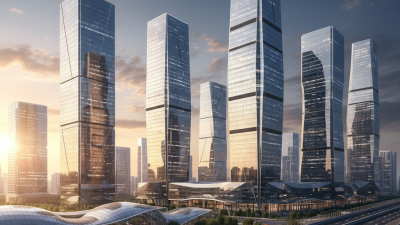
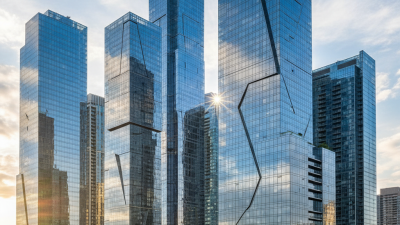
Heat protection glass is becoming increasingly vital in modern architecture. This specialized glass reflects solar radiation while maintaining visibility. Its unique properties make it suitable for high-rise buildings, schools, and residential homes. By controlling heat gain, it reduces the demand for air conditioning. This can lead to significant energy savings.
In urban environments, heat protection glass enhances comfort. It helps to create cooler indoor spaces without sacrificing natural light. Architects often use it in facades and large windows. It also contributes to the overall aesthetics of a building. However, its effectiveness can vary with different climate conditions. In areas with extreme temperatures, additional measures may be necessary.
Designing with heat protection glass requires careful consideration. Architects must assess the specific needs of each project. They need to balance energy efficiency with the visual appeal. Though heat protection glass can be beneficial, it may not always meet every requirement. Building codes and guidelines affect its application too. Each project presents unique challenges and opportunities for reflection.
Benefits of Using Heat Protection Glass in Buildings
Heat protection glass has become increasingly popular in modern architectural design. Buildings equipped with this type of glass can significantly reduce thermal gain. Research indicates that heat protection glass can lower indoor temperatures by up to 15% during peak summer months. This not only enhances comfort but also decreases reliance on air conditioning, leading to lower energy consumption.
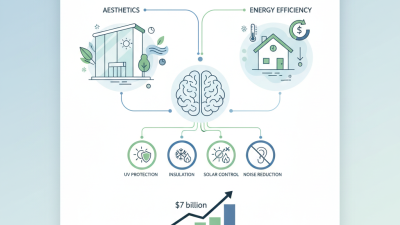
Using heat protection glass contributes to energy efficiency. According to the U.S. Department of Energy, buildings account for nearly 40% of the nation's total energy consumption. With heat protection glass, energy usage can drop by 10-30%. This reduction not only saves costs but also minimizes environmental impact. Furthermore, the glass provides UV protection, preserving interior furnishings and reducing fading.
However, not all heat protection glass is equal. Variations in coatings and thickness can affect performance. Some buildings may find that the benefits do not justify the construction costs. An analysis of lifecycle costs versus benefits is essential for decision-makers. Balancing initial investment and long-term savings requires careful consideration of the specific application and building design.
What is Heat Protection Glass and How Does It Work? - Benefits of Using Heat Protection Glass in Buildings
| Dimension |
Value |
Benefits |
| UV Protection |
99% UV Ray Reduction |
Prevents skin damage and fading of interior furnishings. |
| Energy Efficiency |
Up to 60% Energy Savings |
Reduces heating and cooling costs. |
| Sound Insulation |
Up to 30% Sound Reduction |
Enhances indoor comfort by minimizing external noise. |
| Safety and Security |
Tempered or Laminated Options |
Increases safety against breakage and intrusions. |
| Aesthetic Options |
Variety of Tints and Coatings |
Allows for customization to match building design. |