2026 Top Trends in Led Glass for Innovative Design and Durability?
The landscape of innovative design is rapidly evolving. Among these advancements, "Led Glass" stands out. This material combines aesthetics with functionality. Designers are increasingly drawn to its versatility.
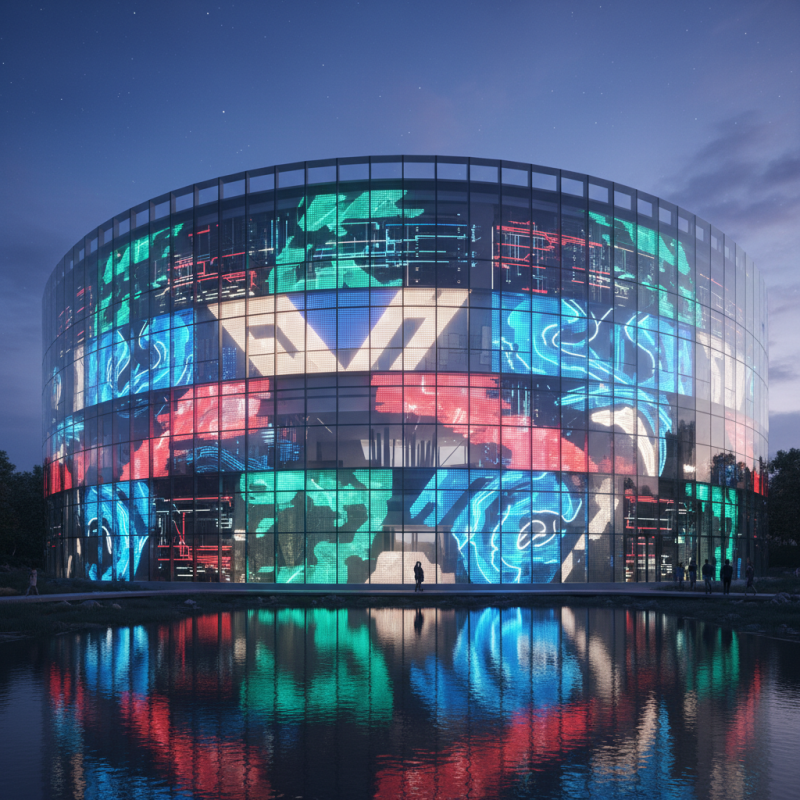
One significant trend is the integration of Led Glass in architectural projects. It offers vibrant colors and dynamic lighting options. This allows for unique visual experiences in both residential and commercial spaces. However, challenges remain in ensuring durability and sustainability.
Another trend involves smart technology integration. "Smart Led Glass" can respond to environmental changes. It can adjust according to light levels or temperature. Yet, the complexity of this technology can raise questions. Is it truly effective and reliable in all settings? Understanding the potential pitfalls is essential for future developments.
Exploring LED Glass: Definition and Basic Concepts
LED glass is a remarkable fusion of technology and design. It incorporates LED lighting within glass panels, enhancing aesthetics while providing functional illumination. This innovative approach allows architects and designers to create dynamic environments. According to a recent report by MarketsandMarkets, the global LED glass market is expected to reach $2.5 billion by 2026, reflecting significant growth.
When using LED glass, it’s crucial to consider both design and durability. This material can be fragile, requiring careful installation. Designers need to balance creativity with practicality. For example, using LED glass in public areas poses risks of vandalism or accidental damage. It’s critical to choose the right thickness and type of glass to enhance safety without compromising style.
Tips: Ensure proper installation to maximize LED glass durability. Additionally, consider using protective coatings to prevent scratches. Maintenance is key; regularly check for any malfunctioning LEDs. A well-maintained installation can enhance its lifespan and aesthetic appeal. This reflects the need for continuous innovation in design while ensuring practical functionality.
Key Innovations in LED Glass Technology for 2026
In 2026, LED glass technology continues to evolve, promising innovative design and enhanced durability. A recent report from Market Research Future highlights that the LED glass market is projected to grow at a compound annual growth rate (CAGR) of 20% through 2026. This growth reflects a surge in demand for energy-efficient lighting solutions and smart architecture. Designers are increasingly incorporating LED glass into building facades, offering both aesthetic appeal and practical benefits.
One noteworthy innovation is the development of flexible LED glass. This material integrates seamlessly into various structures, allowing for creative shapes and designs. According to industry experts, flexible LED glass can reduce energy consumption by up to 30% compared to traditional lighting methods. However, challenges remain. The production process is complex and costly, which can hinder widespread adoption. Additionally, achieving a balance between light transmission and energy efficiency is still a subject of ongoing research.
Recent advancements also focus on improving the durability of LED glass. Enhancements in scratch-resistant coatings and impact resistance are vital for longevity. Some reports indicate that upgraded versions can withstand extreme weather conditions, achieving lifespans exceeding 50,000 hours. Despite these advancements, ongoing testing is crucial to ensure reliability. The potential for LED glass is high, but industry professionals must address these issues to maximize its benefits in design and practical applications.
2026 Top Trends in LED Glass for Innovative Design and Durability
Durability Factors: Enhancing the Life Span of LED Glass
LED glass is becoming increasingly popular in various design applications. Its unique qualities offer an exciting combination of aesthetics and functionality. However, it's essential to consider durability factors to maximize its lifespan.
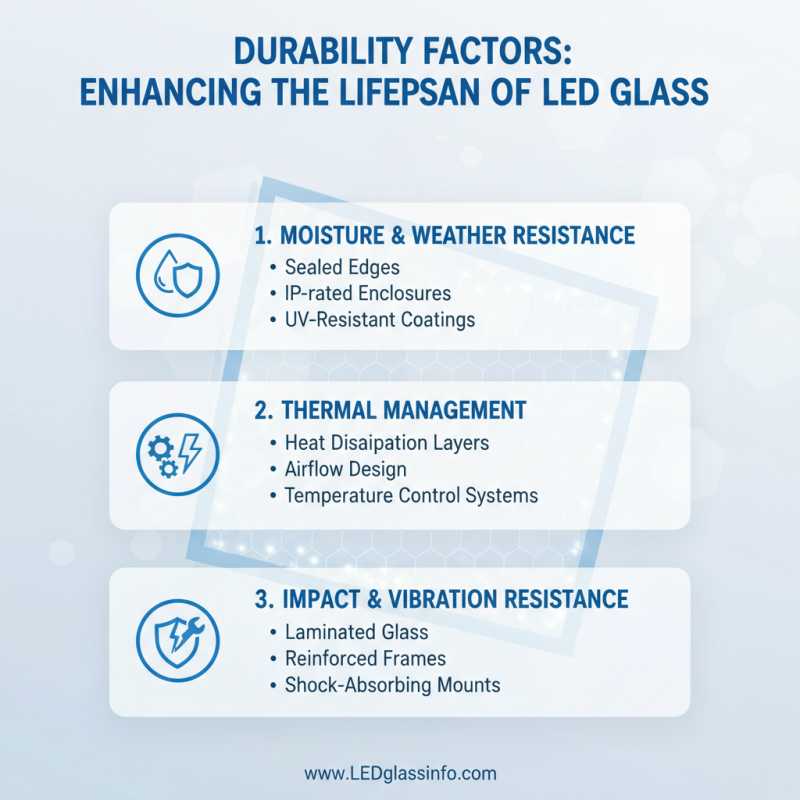
One significant factor is the selection of high-quality materials. This includes the glass itself and the LED components. Not all materials perform equally under different environmental conditions. Poor-quality materials can lead to premature failure and reduced brightness. Regular maintenance is vital, as dust and moisture can accumulate, impacting performance. Proper sealing and protective coatings can also enhance durability.
Another key aspect is the thermal management of LED glass. LEDs generate heat, which can affect their lifespan if not managed adequately. Heat sinks or ventilation systems can dissipate excess heat effectively. Finally, the installation process plays a crucial role. If not correctly installed, it can lead to damage or reliability issues. Reflecting on these factors allows for smarter design choices that promote resilience and longevity.
Design Applications: LED Glass in Architecture and Interior Design
LED glass is revolutionizing architectural and interior design. This innovative material provides both aesthetic appeal and functionality. Designers are increasingly using it to create striking features in buildings and spaces.
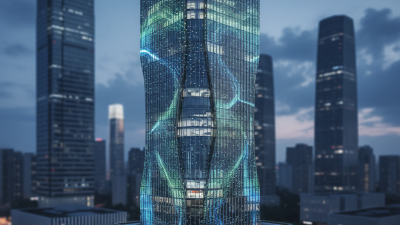
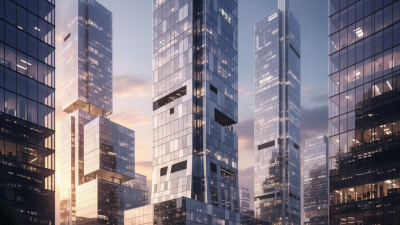
In architecture, LED glass can illuminate facades and walls, transforming ordinary structures into dynamic displays. It allows for unique light effects that change throughout the day. These glass applications not only enhance beauty but also improve energy efficiency. They absorb sunlight during the day, reducing the need for artificial lighting.
Interior designers are embracing LED glass for its versatility. It can be integrated into partitions, furniture, and decorative elements. However, incorporating this technology can be challenging. Designers must carefully balance the visual impact and practical aspects, such as wiring and maintenance. As they navigate these complexities, creativity and innovation will play a crucial role in unlocking the full potential of LED glass in modern design.
2026 Top Trends in LED Glass for Innovative Design and Durability
| Trend |
Description |
Applications |
Durability Features |
| Smart Glass Technology |
Integration of sensors and controls for light modulation. |
Corporate offices, museums, and residential buildings. |
High impact resistance and UV protection. |
| Sustainable Materials |
Use of eco-friendly and recyclable materials in production. |
Green buildings and environmentally conscious designs. |
Long lifespan and reduced maintenance needs. |
| Dynamic Illumination |
Adaptive lighting that changes with environmental conditions. |
Libraries, galleries, and public spaces. |
Resistance to fading and color degradation. |
| Interactive Displays |
Integration of touch and gesture technology with LED glass. |
Retail environments and information kiosks. |
Toughened glass for high traffic areas. |
| Color Customization |
Personalization of color settings for aesthetic appeal. |
Hotels, restaurants, and residential interiors. |
Enhanced durability to withstand wear and tear. |
Future Trends: Predictions for LED Glass in the Next Decade
The next decade promises significant advancements in LED glass technology. According to a report by MarketsandMarkets, the LED glass market is projected to reach $8.2 billion by 2026, with a CAGR of 22.3%. This growth highlights the increasing demand for innovative design solutions that merge functionality with aesthetics. In architectural applications, the focus will shift towards integrating LED glass in buildings, allowing for dynamic lighting opportunities and energy-efficient designs.
One emerging trend is the use of customizable LED glass panels. These panels provide the ability to change colors and patterns based on user preferences or environmental conditions. Such flexibility can transform spaces and enhance user experiences. However, this innovation also poses challenges. The balance between durability and flexibility remains a critical concern for manufacturers. Not all materials currently on the market meet the desired lifespan while offering customizable features.
Research indicates that sustainability will also play a crucial role. By 2030, over 60% of new architectural designs are expected to incorporate sustainable materials, including recyclable LED glass options. Despite progress, ensuring the environmental impact of production processes remains under scrutiny. The quest for an eco-friendly production method challenges the industry. Ongoing conversations around these topics will shape the future landscape of LED glass.