What is High Reflective Glass and How is it Used?
High Reflective Glass has emerged as a transformative material in the architectural and construction industries. According to a report by the Global Glass Market, the demand for reflective glass is projected to grow by 5% annually, emphasizing its rising significance. This type of glass is designed to reflect light, thereby enhancing energy efficiency in buildings. By minimizing heat absorption, High Reflective Glass contributes to maintaining comfortable indoor temperatures.
The versatility of High Reflective Glass is noteworthy. It can be used in skyscrapers, residential homes, and commercial spaces, providing both aesthetic appeal and functional benefits. As sustainability becomes a priority, architects and builders increasingly opt for materials that reduce energy consumption. However, depending solely on such technologies could lead to challenges in balancing effective insulation and natural light.
Investing in High Reflective Glass can pose initial costs, but the long-term savings in energy bills often justify this expense. As the market evolves, it is essential to reflect on how emerging technologies can coexist with traditional practices. The future of glass design may lie in our ability to innovate without losing sight of practical implications.

Definition and Properties of High Reflective Glass
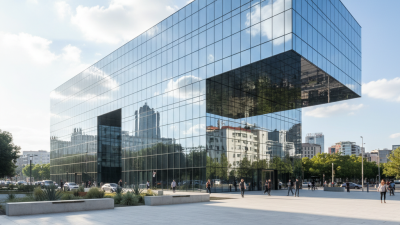
High reflective glass is a specialized type of glass designed to enhance light reflection. This glass contains a thin metallic coating that reflects solar radiation. It is primarily used in architectural applications to control heat gain and improve energy efficiency. The reflective surface can create stunning visual effects while maintaining privacy.
One key property of high reflective glass is its ability to reduce glare. By minimizing incoming sunlight, it helps maintain comfortable indoor lighting. Additionally, this type of glass also offers UV protection. This feature is crucial in preserving furniture and flooring from fading. However, it’s important to consider that high reflectivity can lead to excessive heat on some surfaces, which may cause damage or discomfort.
Tips: When using high reflective glass in buildings, don’t forget to assess the surrounding environment. The reflected light may impact nearby properties. Also, always consult with professionals for appropriate materials and installation methods. Proper use of high reflective glass can lead to energy savings and improved aesthetics, but implementation must be carefully considered.
Applications of High Reflective Glass in Architecture
High reflective glass is increasingly popular in modern architecture. Its shiny surface enhances building aesthetics. This glass reflects sunlight, reducing heat intake. Consequently, it leads to energy savings in cooling systems. Architects appreciate its versatility in design applications.
One key application of high reflective glass is in skyscrapers. These towering structures benefit from its ability to reflect light. They gain a stunning mirror-like effect, transforming urban landscapes. Reflective glass also improves occupant comfort by minimizing glare. However, the intense reflection can distract nearby drivers. This consideration requires careful planning.
In residential settings, it offers privacy while allowing natural light. Homeowners often choose this glass for large windows. It balances openness and seclusion. Yet, excessive use may create a sterile appearance. A thoughtful approach can help mitigate this issue.
Tips: Always consider the building's environment when selecting reflective glass. Its use should enhance rather than overpower the surroundings. Engage with local regulations regarding reflective materials. An informed choice can lead to beautiful, functional spaces.
Applications of High Reflective Glass in Architecture
Benefits of Using High Reflective Glass in Buildings
High reflective glass is gaining popularity in modern architecture. Its ability to reflect sunlight helps reduce heat gain in buildings. This feature can lead to lower energy costs and improved indoor comfort. It also enhances the aesthetic appeal of structures. High reflective glass can give a sleek, modern appearance that many architects strive for.
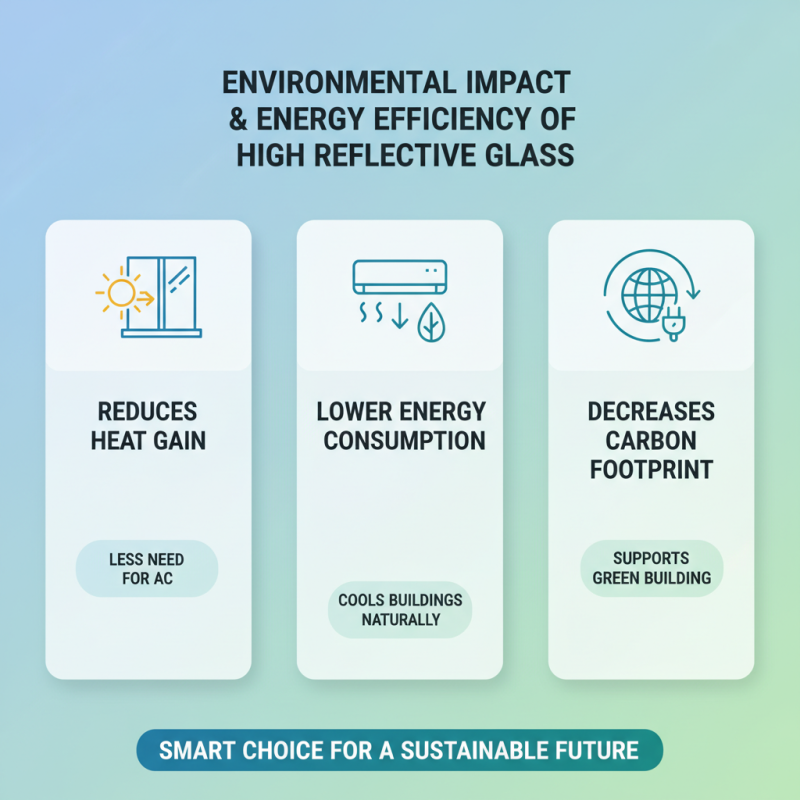
Using high reflective glass comes with environmental benefits as well. By reducing the need for air conditioning, it lowers energy consumption. This is particularly important in urban areas where energy demand is high.
However, there are challenges. While the glass reflects light, it can also cause glare issues. This can affect nearby buildings and pedestrians. The balance between its advantages and drawbacks requires careful consideration.
Incorporating high reflective glass demands expertise and planning. Architects need to understand local weather conditions and urban surroundings. Each project may require different approaches to mitigate any negative effects. This reflective material offers many benefits but is not without its complexities. Proper application is crucial for maximizing its potential.
Environmental Impact and Energy Efficiency of High Reflective Glass
High reflective glass is gaining popularity for its environmental benefits. This type of glass reflects sunlight, reducing heat gain in buildings. As a result, it minimizes the need for air conditioning. Energy efficiency is a crucial focus in today's climate-conscious society. Many architects and builders are choosing high reflective glass to lower energy consumption.
However, the production of high reflective glass has its environmental challenges. Manufacturing processes can be energy-intensive, contributing to greenhouse gas emissions. Despite this, the long-term savings in energy usage can offset these initial impacts. Designing buildings with better insulation and utilizing this glass can enhance overall sustainability.
While high reflective glass offers potential benefits, it is not without drawbacks. Incorrect application can lead to glare issues and unintended heat effects on neighboring properties. It's vital for builders to balance aesthetics with function. Planning and research are essential to maximize energy efficiency while minimizing negative impacts.
Comparison with Other Types of Reflective Glass Products
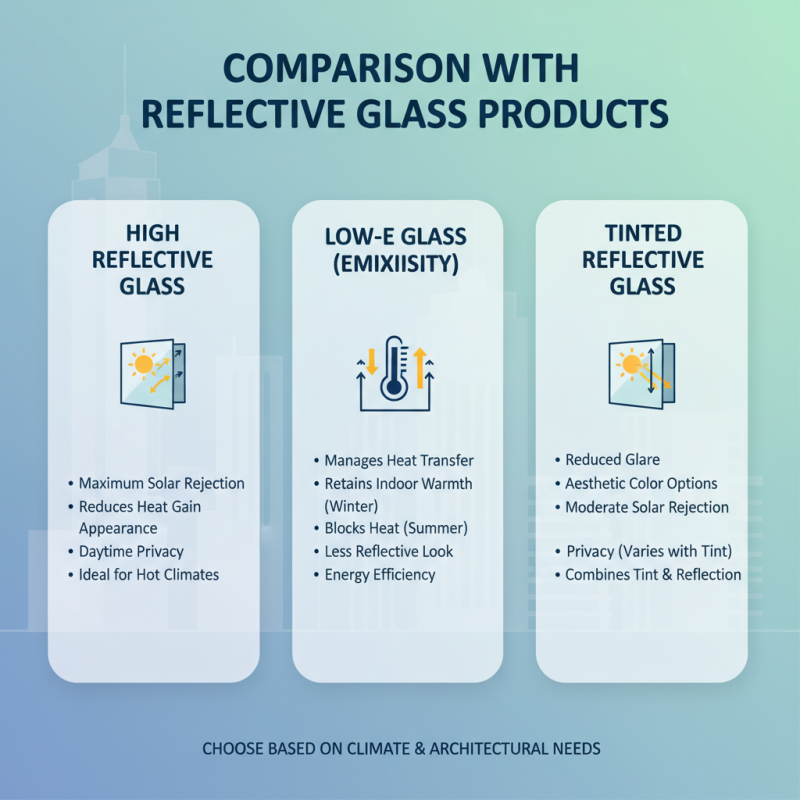
High reflective glass is known for its impressive ability to reflect sunlight. This characteristic makes it popular in modern architecture. However, it’s essential to compare it with other reflective glass types to understand its advantages and limitations.
One common alternative is low-E glass. Low-E coatings are designed to minimize UV rays entering a building. They improve energy efficiency but do not offer the same level of reflectiveness as high reflective glass. In contrast, tinted glass can optimize privacy and reduce glare. However, it may not reflect as much heat as high reflective glass does. Selecting the right glass depends on specific needs and environmental conditions.
Performance can vary significantly among these types. High reflective glass can be effective for reducing heat gain. However, its reflectivity can lead to glare issues, causing discomfort. In urban areas, this may impact nearby buildings and pedestrians. Each glass type has its pros and cons, highlighting the need for thoughtful selection. Users must reflect on their requirements and consult with professionals to ensure the best choice for their projects.