2026 How to Choose the Best Heat Protection Glass for Your Needs?
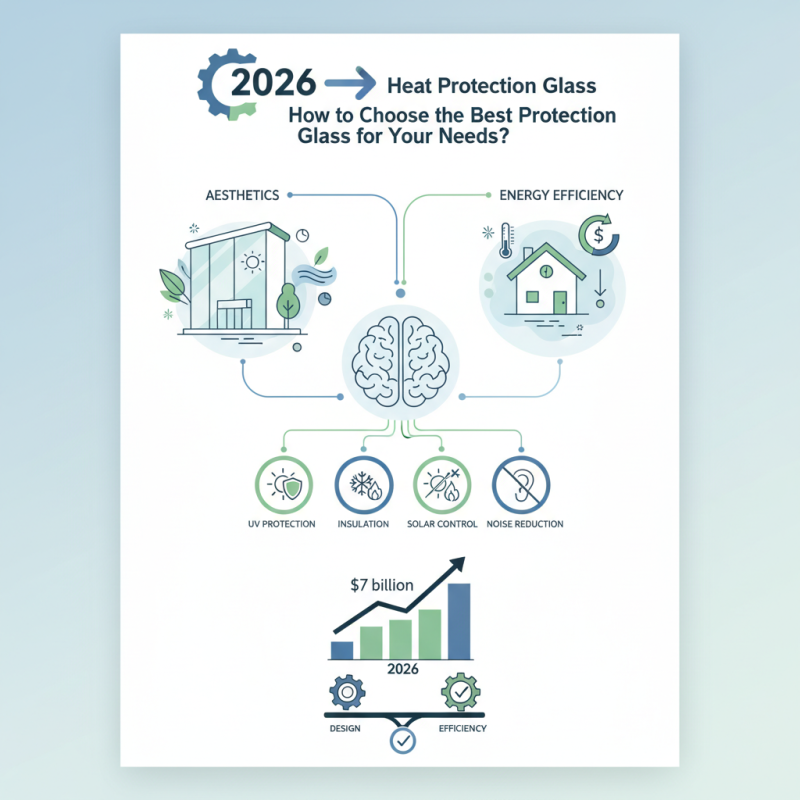
In today’s ever-evolving construction and design landscape, selecting the right Heat Protection Glass is crucial for both aesthetics and energy efficiency. According to a recent industry report by Glass Solutions, the market for heat-resistant glazing is projected to reach $7 billion by 2026. This increasing demand highlights the importance of making informed choices when it comes to thermal management in buildings.
Expert in architectural glazing, Dr. Emily Chen, states, “The right Heat Protection Glass can significantly reduce energy consumption while enhancing comfort.” Her insights emphasize the need for careful consideration in choosing glass that suits specific needs, such as UV protection and insulation. Various types of Heat Protection Glass are available, each offering unique benefits and applications.
Understanding the specifications of different heat protection options can seem overwhelming. It’s not just about aesthetics; functionality plays a critical role. A poorly chosen product can lead to increased energy costs and decreased comfort. Striking the right balance between design and efficiency is essential for long-term satisfaction and sustainability in modern architecture.
Understanding Heat Protection Glass: Key Factors to Consider
When selecting heat protection glass, several key factors come into play. Understanding these can help in making an informed choice. The thickness of the glass plays a crucial role. A standard thickness ranges from 4mm to 12mm for effective heat resistance. According to industry reports, thicker glass can resist higher temperatures, but it also adds weight and cost. This balance is essential for both safety and budget considerations.
Thermal insulation ratings are equally important. The measurement indicates how well the glass can prevent heat transfer. High-performance glass can offer U-values as low as 0.5 W/m²K. This means superior energy efficiency, especially in commercial buildings. Furthermore, consider the visible light transmission (VLT) percentage. High VLT levels can create bright interiors while still providing heat protection.
However, reflection properties can vary. Some glass types can reflect too much heat, causing discomfort indoors. Such characteristics may lead to over-reliance on HVAC systems, resulting in higher energy bills. Each project's unique needs should guide decisions regarding these factors. Balancing various elements, while remaining aware of the potential drawbacks, ultimately shapes the best choice for heat protection glass.
Different Types of Heat Protection Glass and Their Applications
When selecting heat protection glass, it's crucial to understand the various types available. Each type serves specific applications based on its thermal and optical properties. For instance, tempered glass is known for its strength and ability to withstand high temperatures. This makes it suitable for industrial settings. According to a report from the Glass Association, tempered glass shows a resistance to thermal shock that can be up to five times greater than standard glass.
On the other hand, low-emissivity (Low-E) glass reflects heat instead of absorbing it. This feature is particularly beneficial in architectural applications, where energy efficiency is a concern. Studies indicate that Low-E glass can reduce energy costs by 30% or more in some buildings. However, users often overlook potential condensation issues with this type, which might affect overall performance in certain climates.
Furthermore, ceramic glass is another option, offering excellent thermal resistance. It can tolerate extreme temperatures without degrading. This makes it popular in fireplaces and stoves. Yet, ceramic glass may not be ideal for all aesthetic requirements, as it often lacks clarity compared to other types. Understanding these differences is critical for making informed decisions tailored to specific needs.
2026 Heat Protection Glass Types and Their Applications
Evaluating Thermal Efficiency and Energy Savings in Heat Protection Glass
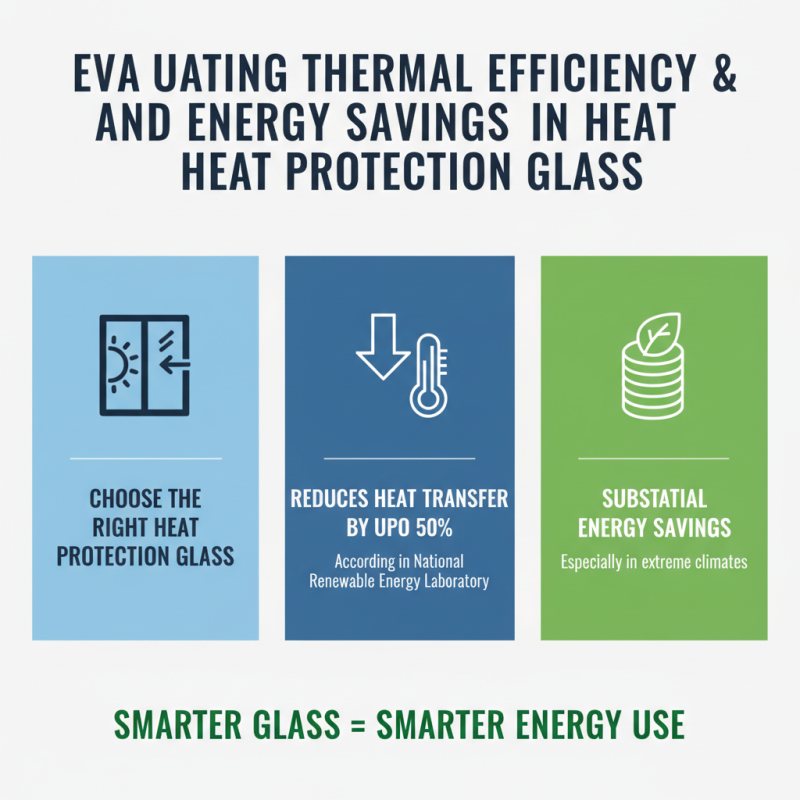
Choosing the right heat protection glass is crucial for thermal efficiency and energy savings. According to the National Renewable Energy Laboratory, the right glass can reduce heat transfer by up to 50%. This significant reduction can lead to substantial savings on energy bills, particularly in climates with extreme temperatures.
Proper insulation and solar control play key roles in selecting heat protection glass. A recent study shows that low-e coatings can reflect infrared heat while allowing natural light to enter. This balance enhances indoor comfort without raising energy costs. Potential buyers should consider U-values and solar heat gain coefficients to make informed decisions.
**Tips:** Always check for certifications. Look for Energy Star labels, which indicate higher energy efficiency. Consult with professionals for accurate assessments of your specific needs. Keep in mind that while advanced glass technologies exist, they might not fit every situation. Sometimes, conventional options are more practical and budget-friendly.
How to Measure and Compare Heat Resistance Ratings
When selecting heat protection glass, understanding the heat resistance rating is crucial. Heat resistance describes how well the material can withstand high temperatures without losing integrity. Recent industry reports indicate that glass can tolerate temperatures ranging from 200°C to over 1000°C, depending on its composition. Therefore, a clear assessment of your specific needs is essential.
To measure heat resistance, you should focus on two main criteria: thermal conductivity and melting point. Thermal conductivity indicates how quickly heat passes through the glass. Materials with lower thermal conductivity rates are often more effective for insulation. For example, a report by the International Glass Association highlights that certain glass types can reduce heat transfer by up to 50%. Meanwhile, pay attention to the melting point. This is the temperature at which the glass will deform or lose its structural strength.
Tip: Always compare the data sheets of different glass types. Look for the reported heat resistance ratings, and conduct practical tests if possible.
Examine other user experiences too. Feedback can reveal nuances in heat performance that numbers alone won’t show. Remember, just because a glass has high ratings doesn't mean it's flawless. In real-world applications, unexpected variables can affect performance.
Installation and Maintenance Tips for Optimal Heat Protection Glass Performance
When it comes to heat protection glass, installation plays a vital role in its performance. Proper installation ensures that the glass can efficiently reflect heat, keeping interiors cooler.
Begin by measuring the installation area accurately. If the size is off, it could lead to gaps. Gaps can reduce insulation efficiency. Use quality seals around the edges. This helps to prevent energy loss.
Maintenance is equally crucial for optimal performance. Regular cleaning is necessary to maintain clarity and effectiveness. Use a soft cloth with a mild cleaner. Avoid abrasive materials that can scratch the surface.
Over time, check for signs of wear. Chips or cracks can compromise insulation. Addressing these issues early can extend the lifespan of your heat protection glass.
Outdoor conditions can also affect performance. Heavy storms or extreme temperatures can necessitate closer inspection.
Choosing the right tools for installation is key. Inadequate tools can lead to improper fitting. For larger pieces, consider enlisting professional help. Professionals ensure that the glass is installed without damaging it.
The goal is to create a seamless, efficient barrier against heat. Make sure that everyone involved understands the importance of quality installation and maintenance. This commitment can lead to better comfort and energy efficiency in your space.