Top Types of High Reflective Glass and Their Applications
High Reflective Glass has become essential in modern architecture and interior design. According to a recent market report by Technavio, the global demand for high reflective glass is projected to grow at a CAGR of 8.5% from 2023 to 2030. This underscores its importance in energy efficiency and aesthetics. As stated by Dr. Emily Chen, an industry expert, “High Reflective Glass not only enhances the visual appeal of structures but also contributes significantly to energy savings.”
Architects and designers leverage High Reflective Glass to create sleek facades that minimize heat absorption. This glass type effectively reduces cooling costs and promotes sustainability. However, challenges persist. Not all reflective coatings are suitable for every climate. Some areas may experience glare issues. Careful selection is essential to avoid pitfalls.
Numerous applications exist for High Reflective Glass. It is widely used in commercial buildings, residential properties, and even vehicles. Its durability and performance make it a favorite. Yet, environmental factors can impact its longevity. Industry professionals must remain aware of these variables. Balancing beauty and functionality in high reflective glass applications must be a key focus moving forward.

Overview of High Reflective Glass Types
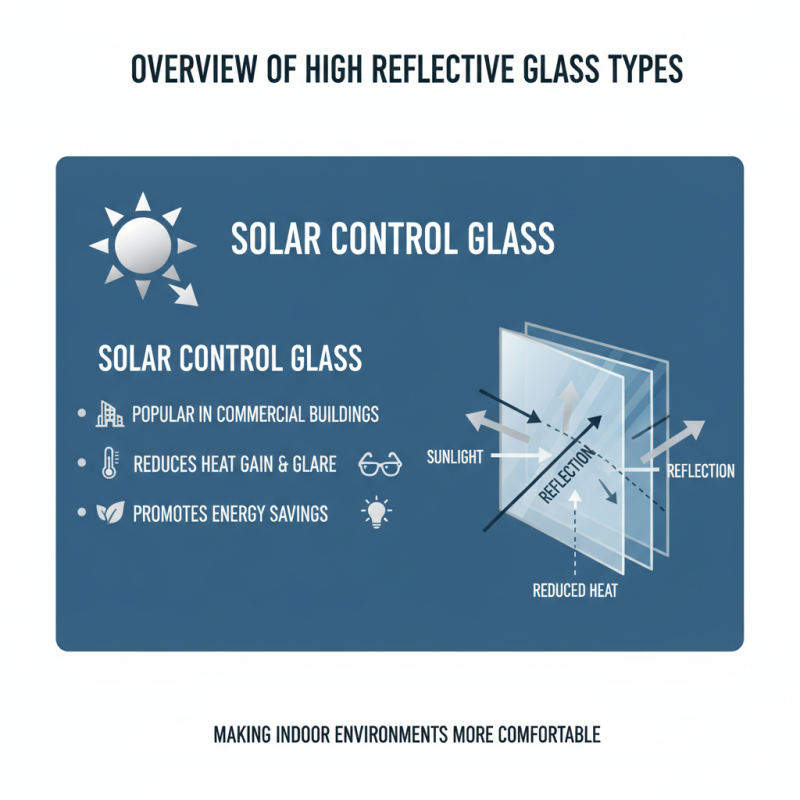
High reflective glass comes in various types, each suited for specific applications. Solar control glass is popular in commercial buildings. It reduces heat gain and glare. This type of glass also helps in energy savings. It reflects a significant amount of sunlight, making indoor environments more comfortable.
Another common type is low-emissivity glass, often used in residential settings. This glass minimizes UV and infrared light without reducing visible light. It enhances energy efficiency and is a great choice for homes in varied climates. Reflective glass is also favored in skyscrapers for its aesthetic appeal. It adds modernity and elegance to the skyline while controlling indoor temperatures.
**Tip:** Always consider local climate when choosing high reflective glass. It can significantly impact energy costs.
When installing this glass, ensure proper orientation. Incorrectly placed glass can lead to excessive heat in certain areas. Regular maintenance is essential to retain its reflective properties. Over time, dirt and grime can diminish performance.
**Tip:** Schedule routine cleanings to maintain clarity and reflection.
Advantages of High Reflective Glass in Architecture
High reflective glass plays a significant role in modern architecture. Its use has surged, particularly in energy-efficient buildings. According to a report by the American Glass Association, reflective glass can reduce heat gain by up to 75%. This figure is crucial for minimizing energy consumption in urban environments. With rising energy costs, architects are increasingly specifying high reflective glass to enhance thermal performance while maintaining aesthetics.
One notable advantage of high reflective glass is its ability to mitigate glare. Research indicates that buildings with reflective surfaces can significantly lower glare levels for both occupants and passersby. This aspect is particularly valuable in metropolitan areas, where sunlight can lead to severe discomfort. Additionally, the glass can improve privacy without sacrificing natural light. However, designing with this material requires careful consideration. Not all reflective coatings suit every climate. In some cases, excessive reflectivity might lead to unwanted heat buildup.
While the advantages are numerous, challenges exist. Architects must balance aesthetic appeal with functionality. There is a need for diligent planning to avoid over-reflectivity, which can be counterproductive. Ensuring proper solar control must be a priority. Collaboration with glazing professionals can help mitigate these risks. By addressing these issues, high reflective glass can be a powerful tool in sustainable architecture.
Common Applications of High Reflective Glass in Commercial Buildings
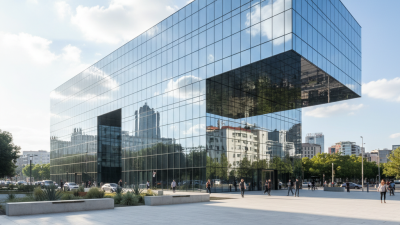
High reflective glass has become a staple in modern commercial architecture. Its ability to reflect sunlight efficiently can lead to significant energy savings. According to a report by the National Renewable Energy Laboratory, buildings that use reflective glass can reduce cooling loads by up to 30%. This characteristic makes it an ideal choice for skyscrapers, office buildings, and retail environments.
In commercial settings, high reflective glass serves multiple functions. It enhances aesthetic appeal and creates a sleek appearance. This glass type also improves comfort levels inside buildings. It minimizes glare while maintaining natural light. Various design trends have emerged focusing on the integration of reflective surfaces. However, architects must also consider potential downsides such as heat gain and glare for nearby structures.
Additionally, the durability of high reflective glass is an essential factor. It resists scratching and impacts, providing longevity in busy urban environments. However, maintaining its reflective quality can be challenging. Regular cleaning and care are necessary to prevent dirt accumulation. Acknowledging these aspects is crucial for anyone considering its use in commercial buildings.
Innovative Uses of High Reflective Glass in Interior Design
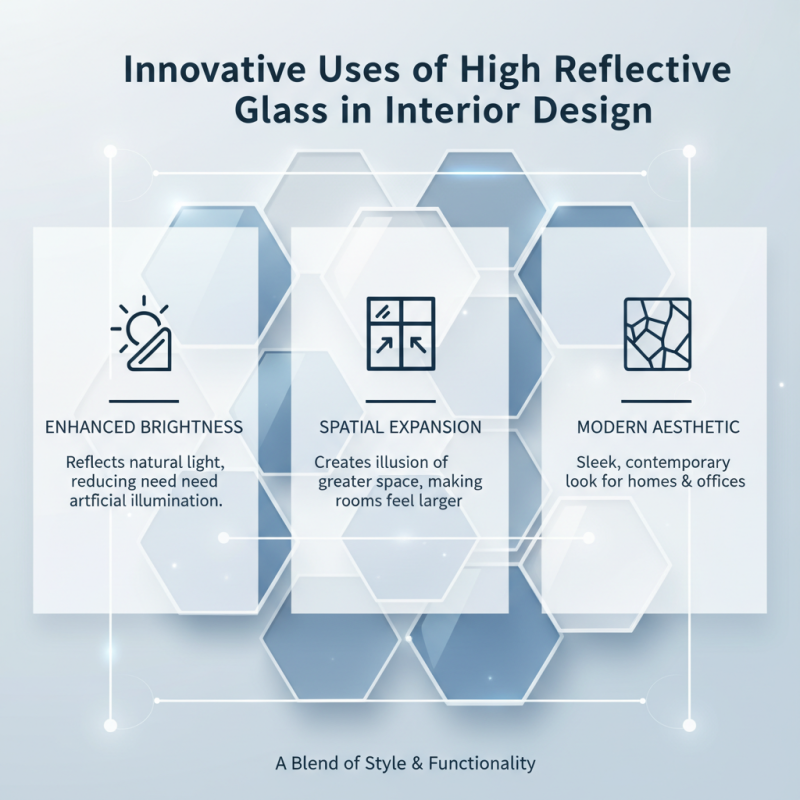
High reflective glass has revolutionized interior design by offering a blend of aesthetics and functionality. It reflects light, creating a sense of openness in small spaces. By using this type of glass, designers can enhance the brightness of a room without relying solely on artificial lighting. Rooms feel larger and more inviting, making it a favored choice in modern homes and office spaces.
Innovative applications include featuring high reflective glass in partitions and cabinetry. This choice not only adds elegance but also serves practical purposes. It can be challenging, though. Finding the right balance between reflection and glare is crucial. Uncontrolled reflections can lead to discomfort, detracting from the space’s appeal. Additionally, careful consideration is needed when selecting textures and colors to complement the glass.
Moreover, high reflective glass can be incorporated in art and furniture pieces. Artistic installations can transform a mundane space into a captivating gallery. However, designers must be cautious. Overusing reflective surfaces can create a cold environment. It’s essential to harmonize these elements with warm materials like wood or textiles. Achieving the right atmosphere requires thoughtful planning and creativity.
Factors Influencing the Selection of High Reflective Glass
When selecting high reflective glass, several factors come into play. First, consider the overall purpose of the glass. Are you using it for energy efficiency, aesthetic appeal, or privacy? Each purpose may require a different type of reflective coating. Light transmission, solar control, and glare reduction are also key considerations.
Ensure you understand how each variant interacts with sunlight and artificial lighting.
Another influencing factor is the location of the installation. Glass used in buildings with high sun exposure needs to reflect heat effectively. This ensures indoor comfort while conserving energy. It’s essential to weigh local climate conditions with the glass type. In warmer climates, high reflective glass can significantly reduce cooling costs.
Tip: Don’t overlook the thickness of the glass. Thicker glass typically provides better thermal insulation but may cost more. Balancing budget with performance is crucial.
Tip: Test samples before final selection. Visualize how different glass types interact with your space.
Remember, specifications may seem perfect, but real-world conditions can vary. Always be prepared to adjust your choices based on observations and performance reviews.