Why Choose Chemical Tempering Glass for Your Next Project?
Choosing the right materials for your project is crucial. Chemical Tempering Glass stands out as a superior option among various alternatives. Its enhanced strength and durability are significant advantages. This type of glass undergoes a specialized process that increases its resistance to impact and thermal stress.
When considering Chemical Tempering Glass, one must recognize its applications in diverse fields. From architecture to automotive design, this glass serves multiple purposes. It can withstand harsh environments, making it an ideal choice for both indoor and outdoor settings. However, some may overlook its limitations. Not every project requires such specialized glass, and costs can vary.
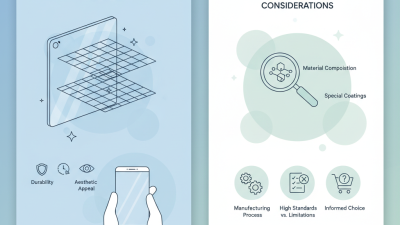
In addition, while Chemical Tempering Glass offers many benefits, it is essential to assess your specific needs. Take time to evaluate your project requirements. Proper consultation with experts can guide you toward the best choice. Ultimately, understanding the properties of Chemical Tempering Glass will help you make informed decisions.

Understanding Chemical Tempering Glass: Definition and Process
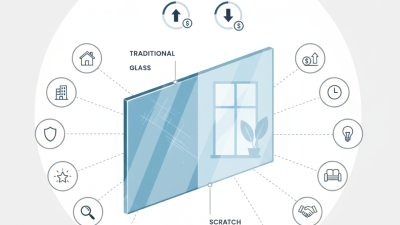
Chemical tempering glass offers unique advantages for various applications. This process involves treating glass with a chemical solution. The result is a product significantly stronger than regular glass. The chemical tempering method utilizes high temperatures, followed by rapid cooling. This technique enhances the glass's durability.
During production, the glass is immersed in a potassium salt bath. This step introduces potassium ions, which replace sodium ions in the glass. This exchange strengthens the glass structure, increasing its resistance to impact. The process also improves thermal stability. It minimizes the risk of breakage due to sudden temperature changes. However, imperfections can still exist, such as uneven ion distribution.
While chemical tempering is effective, some challenges remain. The process can be more complex than standard tempering methods. Quality control is crucial to ensure consistent results. Issues may arise if the glass is not properly handled post-treatment. It is essential to address these potential flaws early in the project. Informed decisions will lead to better outcomes when choosing chemical tempering glass.
Key Benefits of Chemical Tempering Glass in Construction Projects
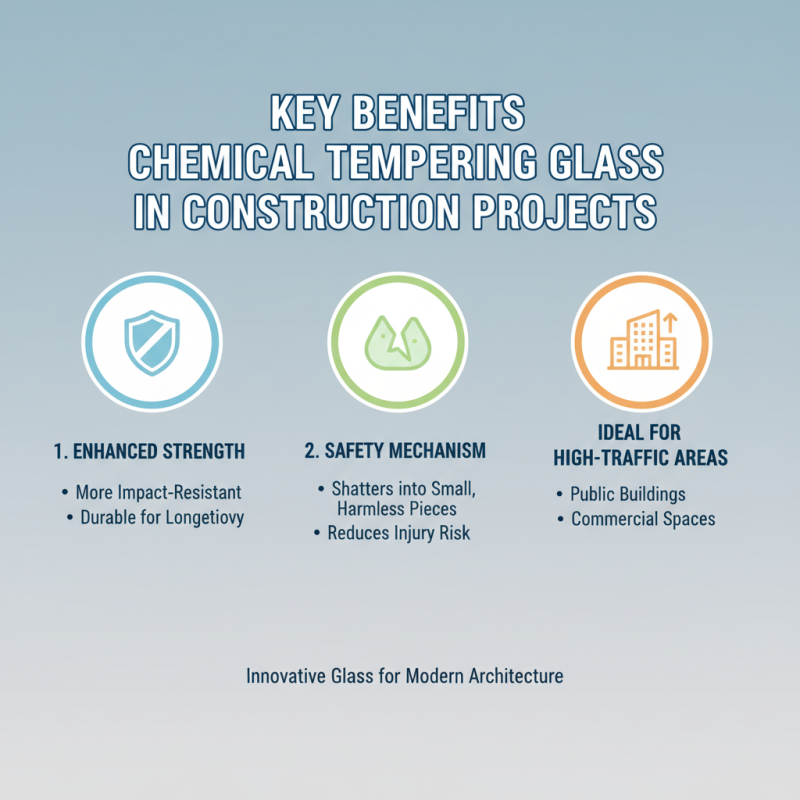
Chemical tempering glass offers significant advantages for construction projects. This innovative process enhances glass strength, making it more resistant to impacts. When stress is applied, the glass shatters into small, harmless pieces. This feature ensures safety, especially in high-traffic areas.
Incorporating chemical tempered glass allows for larger structures with fewer supports. This can lead to breathtaking designs, where elegance meets functionality. Architects and builders appreciate the freedom to create unique shapes and facades. However, it’s essential to consider the installation process. Improper handling can diminish the glass's protective qualities.
When choosing chemical tempered glass, focus on durability. Look for thickness and overall quality. Consulting with experts in the field can guide you to the best options. Always verify certification and compliance with local building codes. Also, remember to account for the specific needs of your project regarding weather exposure. These details matter significantly.
Comparison of Chemical Tempering Glass with Other Glass Types
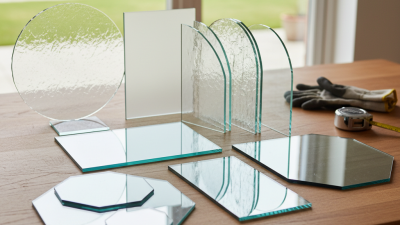
When considering glass types for construction or design projects, chemical tempering glass stands out. Its unique properties give it an edge over standard tempered glass and laminated options. Chemical tempering enhances strength, making it more resistant to breakage. This type of glass is treated using potassium ions, significantly increasing its durability.
Compared to standard tempered glass, which can shatter on impact, chemically tempered glass is less likely to break into sharp shards. This safety feature is crucial in residential and commercial projects. Laminated glass, while offering sound insulation and UV protection, does not match the strength of chemically tempered glass. In high-stress environments, such as facades or high-rise windows, this can be a vital consideration.
However, it is important to note that chemical tempering adds cost and complexity to the fabrication process. This higher expense may not be justifiable for every project. The balance between performance and cost often requires careful analysis. Each project presents unique challenges and may not need the advanced features of chemically tempered glass. These factors should influence your choice thoughtfully.
Why Choose Chemical Tempering Glass for Your Next Project? - Comparison of Chemical Tempering Glass with Other Glass Types
| Glass Type |
Strength (MPa) |
Thermal Resistance (°C) |
Weight (kg/m²) |
Cost (USD/m²) |
| Annealed Glass |
30-50 |
200 |
10 |
25 |
| Tempered Glass |
200-250 |
240 |
12 |
50 |
| Chemical Tempered Glass |
250-600 |
300 |
12 |
65 |
| Laminated Glass |
30-45 |
180 |
11 |
40 |
Applications of Chemical Tempering Glass in Various Industries
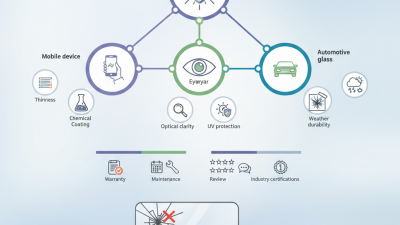
Chemical tempering glass is increasingly being used across various industries due to its enhanced strength and safety features. This type of glass undergoes a unique chemical process, making it more resilient. In the architectural sector, buildings utilize this glass for facades and windows. According to a report by the Glass Association, structures using tempered glass can withstand pressures up to five times that of standard glass, making it ideal for high-rise constructions.
In the automotive industry, chemical tempering glass is used for windshields and windows. It can significantly reduce the risk of shattering upon impact. A study by the National Highway Traffic Safety Administration highlights that tempered glass decreases injury rates in accidents. This data underscores the necessity for such materials in vehicles.
The electronics sector employs chemical tempering glass for screens and displays. The durability it provides is essential for consumer satisfaction. Reports indicate that screens made from tempered glass have a lower likelihood of cracking. Yet, achieving perfect consistency in thickness remains a challenge for manufacturers, requiring ongoing improvements in production techniques.
Applications of Chemical Tempering Glass in Various Industries
Environmental Considerations and Sustainability of Chemical Tempering Glass
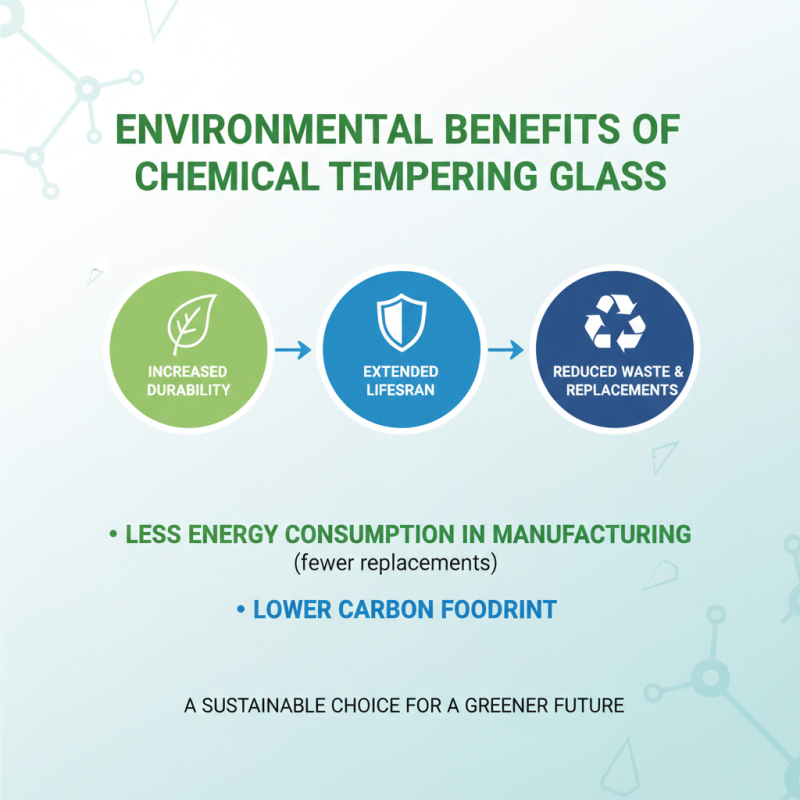
Chemical tempering glass offers many environmental benefits, making it a compelling choice for various projects. This process involves treating glass with chemicals to improve its strength and durability. By enhancing longevity, chemical tempered glass reduces waste. Fewer replacements mean less energy spent on manufacturing new glass products.
In terms of sustainability, chemical tempering requires less energy than traditional methods. The lower energy consumption reduces the overall carbon footprint associated with glass production. Additionally, the glass itself can be recycled at the end of its life cycle. Unfortunately, this process isn't always common knowledge among builders and designers. Many may overlook the eco-friendly properties of tempered glass compared to standard glass options.
It's worth noting that while chemical tempering is beneficial, there are still concerns. Not all manufacturing processes are equally sustainable. Some facilities may not follow best practices, leading to potential harmful emissions. It's essential to research and select reputable manufacturers. This diligence ensures that the glass you choose truly meets environmental standards.