Best Scratch Resistant Glass Options for Global Buyers?
When considering the best options for Scratch Resistant Glass, global buyers have much to explore. Renowned expert Dr. Emily Tran, who specializes in advanced materials, states, “The right scratch resistant glass can significantly enhance product durability and consumer satisfaction.” This emphasizes the importance of selecting quality materials.
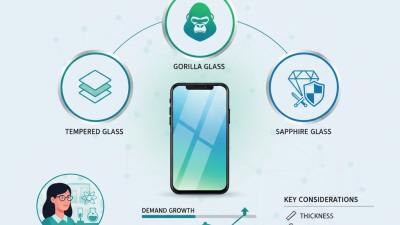
In today's market, the variety of Scratch Resistant Glass available can be overwhelming. Each option presents unique features and challenges. For instance, tempered glass offers robust resilience but can be more expensive. Meanwhile, options like corning gorilla glass combine lightweight properties with strength. Evaluating these choices requires careful thought.
Buyers must reflect on their specific needs and budget. Scratches can diminish the aesthetic and functional value of glass surfaces. Ultimately, finding the perfect Scratch Resistant Glass solution can mean balancing quality, cost, and intended use.

Understanding Scratch Resistance in Glass Materials
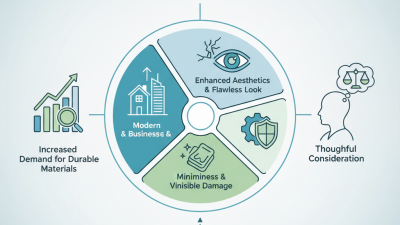
When evaluating scratch resistance in glass materials, understanding the different options available is essential. Scratch resistance is determined by the material's hardness and composition. According to a global industry report by MarketsandMarkets, the glass market is projected to grow at a CAGR of 5.7% from 2021 to 2026, emphasizing the demand for durable materials. Hard coatings, like ceramic or diamond-like carbon, enhance the scratch resistance of glass. However, these coatings can sometimes affect clarity and color.
Choosing the right glass for your needs can be challenging, but there are a few tips to consider. Look for glass rated with a high Mohs hardness scale, typically a rating of 6 or higher indicates good scratch resistance. Keep in mind that how glass is treated during production also plays a significant role in its performance. Even with advancements, not all glass will resist scratches equally, and that variability can lead to unexpected outcomes.
It's beneficial to perform regular maintenance on glass products. Use soft cloths and non-abrasive cleaners to avoid micro-scratches. Regularly assessing the glass's condition may highlight areas of concern. This simple habit can prolong the life of your material. Remember, the choice of glass should reflect not just aesthetics but also practical durability.
Types of Scratch Resistant Glass Available in the Market
When considering scratch-resistant glass, various types are available that cater to diverse needs. Tempered glass is one popular choice. It's four to five times stronger than standard glass, making it less prone to scratches and impact. According to industry studies, tempered glass is often used in windows and doors for its durability and safety features.
Another option is laminated glass, which consists of two or more layers bonded together. This design not only adds strength but also enhances scratch resistance. A report from the Glass Association states that laminated glass can withstand significant wear and tear, making it ideal for heavy-traffic areas. Its ability to maintain clarity even under duress is a notable advantage.
Coatings like sapphire and ceramic are also utilized to improve scratch resistance. These coatings enhance the glass surface's hardness, providing a barrier against abrasions. In fact, a report from the Optical Society indicates that sapphire glass can rank up to 9 on the Mohs scale of hardness. However, while these options are highly effective, they can be costly and may not be feasible for all buyers. Each type has its pros and cons, and buyers should carefully evaluate these before making a decision.
Best Scratch Resistant Glass Options
Factors to Consider When Choosing Scratch Resistant Glass
When selecting scratch-resistant glass, several key factors come into play. One of the primary considerations is the type of treatment applied to the glass. Coatings like sapphire or tempered glass are often preferred due to their enhanced durability. Research from the Glass Association indicates that ceramically coated surfaces can achieve up to 15 times more scratch resistance than untreated glass. This statistic is critical for buyers to understand.
Another important aspect to consider is the application of the glass. For instance, glass used indoors may require different properties than glass exposed to outdoor conditions. Glass that faces UV rays or harsh weather should have protection against more than just scratches. It's essential to evaluate whether the glass can withstand harsh environmental factors.
**Tip:** Always check certifications associated with the glass you are considering. Look for compliance with standards like ASTM C1036, which provides assurance about its scratch-resistant characteristics.
Additionally, assess the thickness and composition of the glass. Thicker glass can provide better impact resistance, which might inadvertently reduce its scratch resistance. Balancing these features requires careful consideration. Not all suppliers provide detailed information about their products, leading to challenges during selection. Making informed choices is crucial to avoid future issues, both aesthetically and functionally.
Best Scratch Resistant Glass Options for Global Buyers
| Type of Glass |
Scratch Resistance Rating |
Thermal Stability |
Weight |
Cost per Square Meter |
| Tempered Glass |
High |
Excellent |
Heavy |
$50 |
| Sapphire Glass |
Very High |
Good |
Light |
$150 |
| Corning Gorilla Glass |
High |
Fair |
Very Light |
$70 |
| Chemically Strengthened Glass |
Medium |
Good |
Moderate |
$40 |
| Plastic Laminate Glass |
Low |
Poor |
Very Light |
$20 |
Top Brands and Products for Scratch Resistant Glass
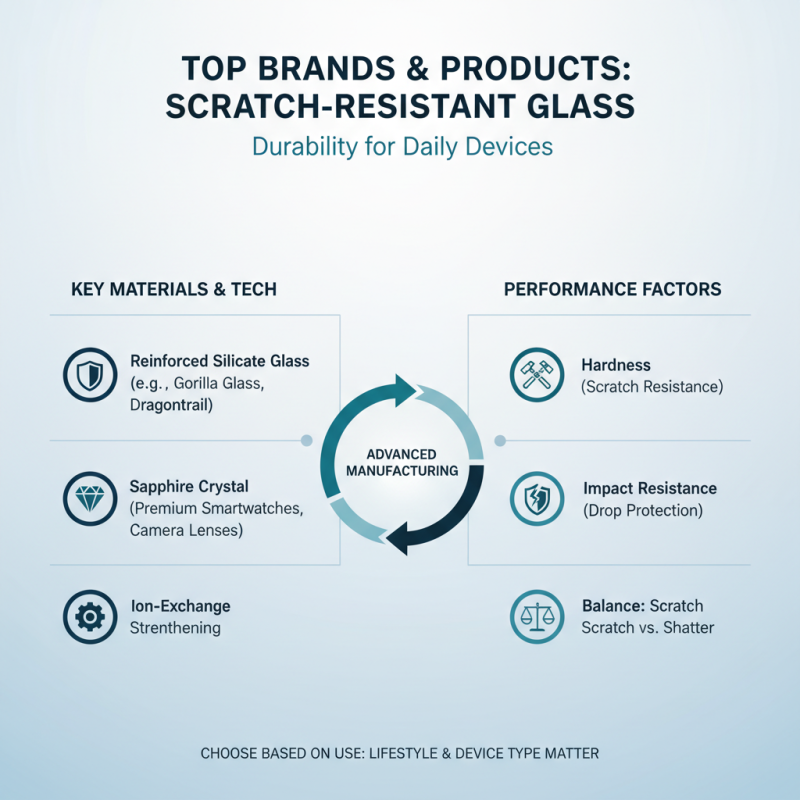
When exploring options for scratch-resistant glass, it's essential to consider the materials that offer high durability. Many brands utilize advanced technologies in their manufacturing processes. This ensures the glass can withstand daily wear. However, not all products perform equally under different conditions. Some may scratch less easily but can break more readily upon impact.
Popular choices often include hardened glass, tempered glass, and chemically strengthened varieties. Each has distinct advantages and potential drawbacks. For instance, tempered glass is robust but may not resist deep scratches well. Chemically strengthened glass is finer for certain applications, yet its cost can be a concern. Customers frequently overlook how installation impacts glass longevity. Improper installation may lead to unintended stress points, ultimately resulting in damage.
While buying scratch-resistant glass, buyers should research extensively. Look for user reviews to gauge reliability. Recommendations can vary widely based on individual experiences. Unforeseen issues might arise, even with reputed products. Seeking professional advice can help. Consider the specific environment where the glass will be used. Factors such as humidity and temperature can affect longevity and performance. Remember, the most expensive option isn’t always the best choice. Balancing cost and quality requires careful thought and consideration.
Global Trends in Scratch Resistant Glass Technology
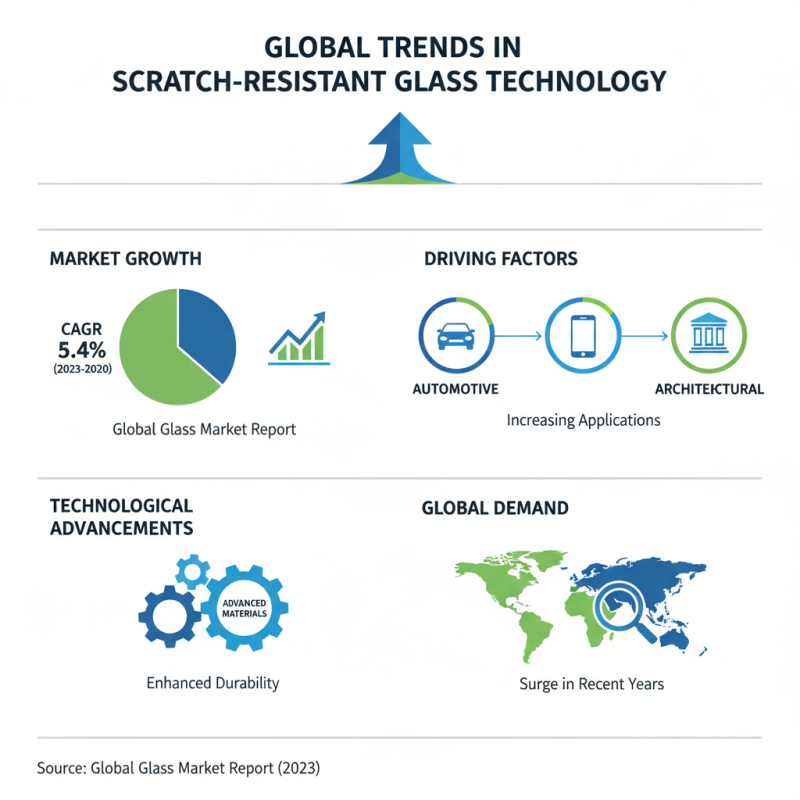
In recent years, the demand for scratch-resistant glass has surged globally. According to the Global Glass Market Report, the segment is expected to grow at a CAGR of 5.4% from 2023 to 2030. This growth is attributed to increasing applications in automotive, electronics, and architectural industries. Innovations in coatings and materials have significantly enhanced the durability of glass products.
Research shows that advanced coatings can increase scratch resistance by up to 70%. Nanotechnology is a key player in this evolution. It enables the creation of ultra-thin layers that provide exceptional hardness. Moreover, ceramic-based coatings are becoming popular due to their effectiveness. They offer both aesthetics and durability, aligning with consumer preferences for longevity and performance.
Despite these advancements, challenges remain. For example, achieving a perfect balance between clarity and scratch resistance is difficult. Some treatments may affect the glass's visual properties, causing distortion. Manufacturers must continually refine their processes to mitigate these issues. The focus is on developing solutions that meet high-performance standards without compromising on quality. The global market is closely watching these developments, eager to see how technology will evolve.