How to Choose Scratch Resistant Glass for Your Needs?
In today's fast-paced world, choosing the right Scratch Resistant Glass is crucial for various applications. A recent industry report from Smith & Associates indicates that the global demand for scratch-resistant coatings has grown by 15% annually. This trend reflects the increasing value placed on durability and aesthetics in consumer products. Scratch resistant surfaces are particularly important in sectors like mobile devices, eyewear, and automotive glass.
Selecting the appropriate glass involves understanding its specific needs. Factors such as thickness, coating technology, and intended use play significant roles. For instance, hardened glass with a chemical coating can resist surface damage for years. Yet, many buyers overlook details like warranty terms or maintenance requirements.
While it may seem straightforward, the decision can lead to costly mistakes. Some products labeled as "scratch-resistant" offer minimal protection. Understanding the levels of resistance and the materials involved is essential for informed choices. Always consider reviews and industry certifications before making a purchase.

Understanding Scratch Resistant Glass: An Overview
Scratch resistant glass has become a crucial feature in various industries, from electronics to construction. Understanding its properties can help consumers make informed choices. According to a report by Smith & Sons, approximately 30% of all glass products suffer damage from scratches within the first year of use. This statistic underlines the importance of selecting the right type of glass.
There are different types of scratch resistant glass available. Tempered glass, for example, is known for its durability. It undergoes a special heating process, making it up to five times stronger than standard glass. However, it's essential to note that despite its resistance, tempered glass can still break under significant impact. Another option is chemically strengthened glass. This type is treated with chemicals to enhance its surface hardness. While it offers impressive scratch resistance, it is often more expensive.
Choosing the right scratch resistant glass involves considering your specific needs and environment. Factors like exposure to harsh elements or the likelihood of physical impact should inform your decision. A recent survey indicated that 40% of users regretted their choice due to lack of information about specific glass properties. This suggests a gap in understanding that can lead to dissatisfaction. The right choice can save time and money over the long term.
How to Choose Scratch Resistant Glass for Your Needs?
| Type of Glass |
Scratch Resistance Rating |
Applications |
Average Cost per Sq. Ft. |
| Tempered Glass |
High |
Windows, Shower Doors |
$15 - $30 |
| Laminated Glass |
Moderate |
Skylights, Glass Facades |
$20 - $40 |
| Ceramic Glass |
Very High |
Fireplaces, Cooktops |
$25 - $50 |
| Annealed Glass |
Low |
Interior Partitions, Mirrors |
$10 - $20 |
| Polycarbonate |
High |
Safety Shields, Greenhouses |
$15 - $35 |
Types of Scratch Resistant Glass Available in the Market
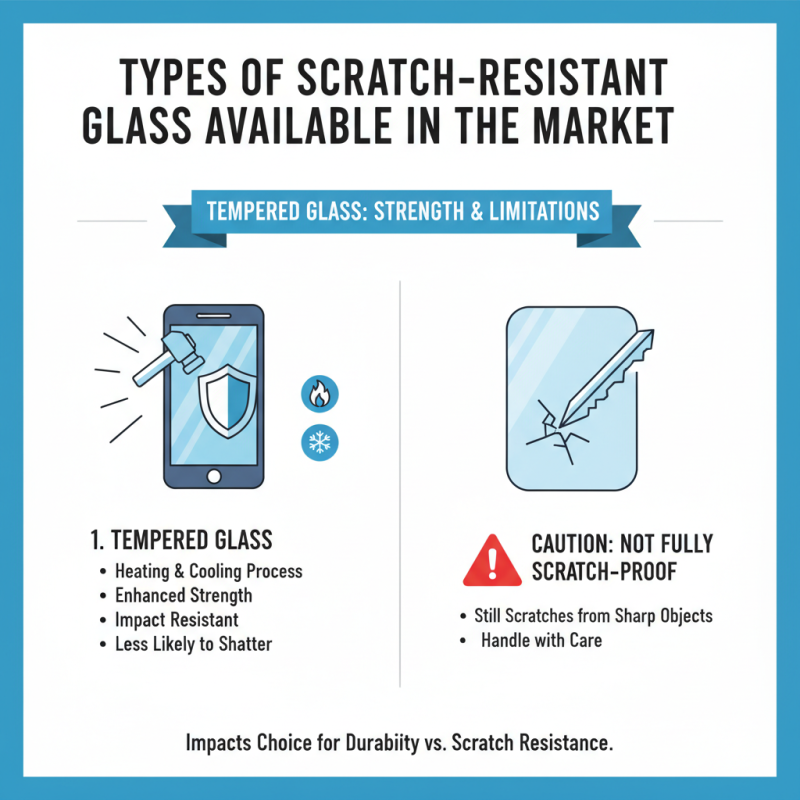
When selecting scratch-resistant glass, understanding the types available can greatly impact your choice. One popular type is tempered glass. It undergoes a heating and cooling process that enhances its strength. This glass can withstand impacts better than standard options and is less likely to shatter. However, it may still scratch from sharp objects, so caution is needed.
Another option is chemically strengthened glass. This type is treated with a chemical process that increases its durability. It is often thinner than tempered glass, yet offers impressive scratch resistance. Users might find it slightly more prone to chips, which is a concern for high-traffic areas.
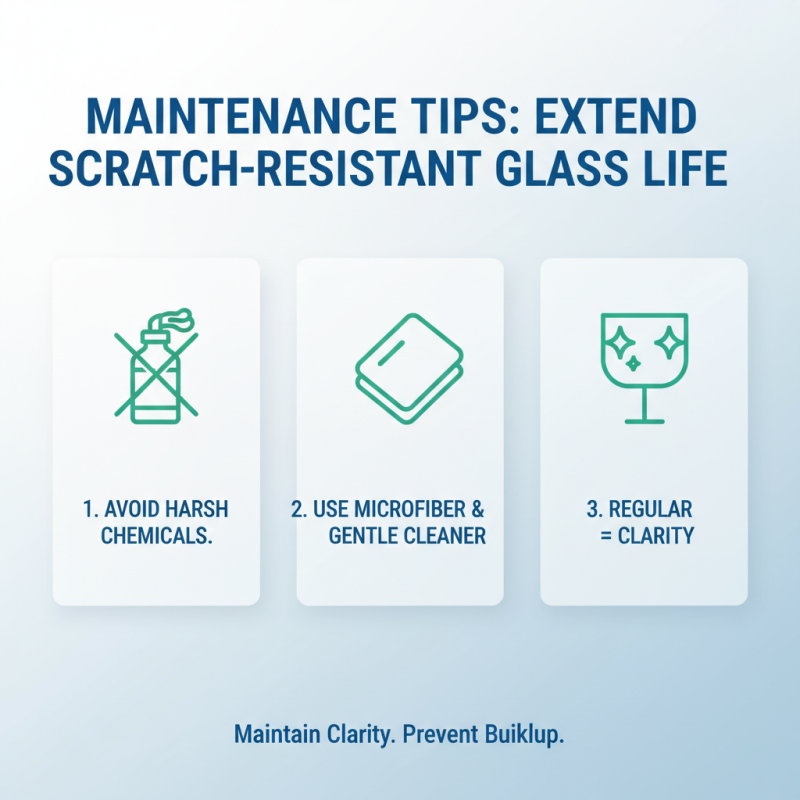
Lastly, there are coatings available that can improve a glass’s scratch resistance. These coatings can be applied to various types of glass. They provide an additional layer of protection, but they may wear over time. Regular maintenance is necessary to keep the coating effective. In making your choice, consider how each type fits your specific needs and environments.
Key Factors to Consider When Choosing Scratch Resistant Glass
When choosing scratch-resistant glass, several key factors are essential. The thickness of the glass is critical. Thicker glass typically offers better scratch resistance. According to industry data, glass thicker than 3mm shows marked improvement in durability. For applications like tabletops or display cases, investing in thickness is wise.
Another significant aspect is the coating. A high-quality scratch-resistant coating can dramatically enhance durability. Data indicates that coated glass can reduce the likelihood of scratches by as much as 50% in high-traffic areas. It’s also important to consider the purpose of the glass. Each application may require different levels of scratch resistance. For instance, windows may not need the same durability as smartphone screens, which face constant touching.
Lastly, consider the environment. Exposure to harsh weather or pollutants can affect the glass's integrity. Regular cleaning and maintenance can prolong its lifespan, but not all types are created equal. In high-exposure areas, a more robust option might be necessary. Weighing these factors can ensure that the scratch-resistant glass chosen aligns with specific needs and environments, promoting long-term satisfaction with the investment.
Scratch Resistant Glass Comparison
This chart compares the scratch resistance ratings of different types of glass. Tempered glass has a high resistance, making it suitable for various applications. Laminated glass also performs well, while ceramic glass offers the best protection. Acrylic glass, however, is less resistant to scratches.
Applications and Uses of Scratch Resistant Glass
Scratch resistant glass is increasingly popular in various applications due to its durability and utility. It is used extensively in smartphones, tablets, and wearables. Users demand screens that can withstand scratches, ensuring longevity. Additionally, this type of glass is found in eyewear. Prescription glasses benefit from scratch resistance, enhancing visual clarity. This enhancement reduces the frequency of replacements.
In the automotive industry, scratch resistant glass is essential. Windshields and windows made from this material increase safety and visibility. Drivers appreciate clear views without frequent cleanings. Furthermore, it is commonly used in public display screens. These screens face heavy usage in urban areas. They resist damage while maintaining picture quality.
Choosing the right type of scratch resistant glass can be complex. Consider factors such as thickness and coatings. A thicker glass often provides better resistance. However, the specific application may influence this choice. Reflecting on these aspects helps in making informed decisions.