How to Choose the Best Chemical Tempering Glass for Your Needs?
Choosing the right Chemical Tempering Glass is crucial for various applications, from architecture to automotive design. According to industry reports, the global market for tempered glass is expected to reach $75 billion by 2025. This growth highlights the increasing demand for high-performance materials that offer enhanced safety and durability.
Chemical Tempering Glass undergoes a unique process, increasing its strength compared to standard glass. It can withstand higher thermal stress and impacts, making it ideal for demanding environments. However, not all chemical tempering methods are the same. Some manufacturers may use subpar techniques, resulting in a product that fails to meet safety standards.
It is essential to evaluate factors like thickness, thermal resistance, and origin when selecting Chemical Tempering Glass. Getting it right means prioritizing quality over price. The decision you make can impact safety and longevity. Reflections on past choices in material selection can guide better future decisions.
Understanding Chemical Tempering Glass and Its Benefits
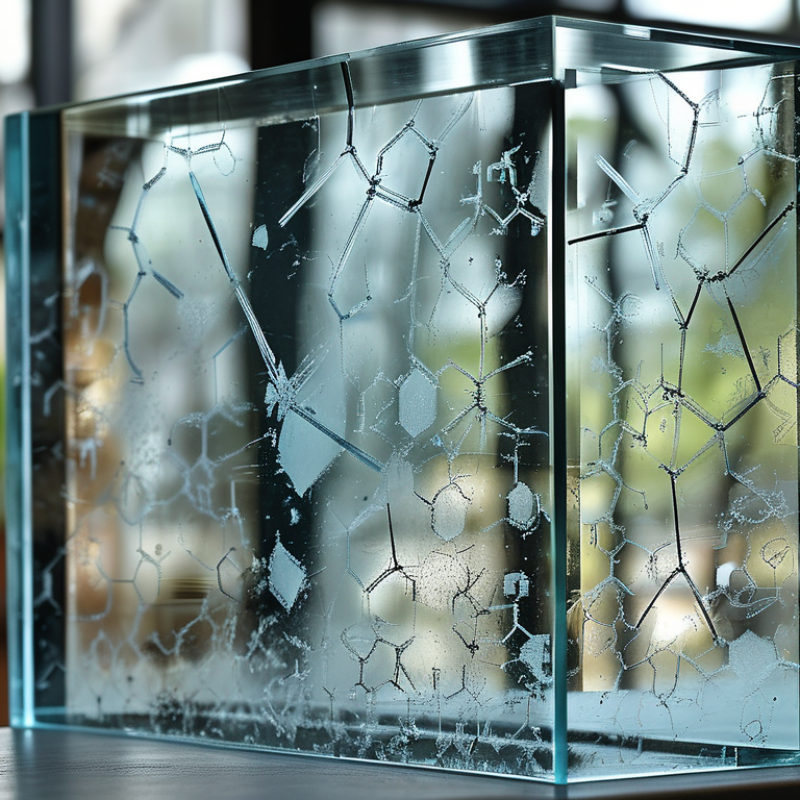
Chemical tempering glass is a refined version of traditional glass, enhanced to provide superior strength and safety. This process involves immersing the glass in a potassium salt bath. According to industry reports, chemically tempered glass can be up to five times stronger than standard glass. This strength makes it ideal for both architectural applications and functional products.
The benefits of chemical tempering glass extend beyond just durability. Its increased resistance to thermal stress means that it can withstand significant temperature fluctuations. This is especially important in regions with extreme weather conditions. Reports show that such resilience can reduce the chances of thermal breakage, which accounts for a significant percentage of glass failures in buildings.
While there are clear advantages, it’s crucial to consider the limitations too. The production process can be more costly, leading to higher prices compared to traditional glass. Additionally, not all applications may require the robust characteristics of tempered glass. For some uses, simpler solutions could suffice. Being aware of these factors can guide better decision-making when choosing glass for specific needs.
Comparison of Chemical Tempering Glass Properties
Key Factors to Consider When Choosing Chemical Tempering Glass
When selecting chemical tempering glass, several key factors come into play. One critical aspect is the thickness of the glass. Thicker glass generally offers better strength and resistance to impact. However, if the application requires lightweight materials, balancing thickness with weight becomes essential. Additionally, consider the application environment. If the glass will face extreme weather conditions, ensure it meets relevant standards for thermal stability.
Another important factor is the clarity and transparency of the glass. Different applications may require varying levels of light transmission. Opt for glass that minimizes distortion, especially if aesthetics or visibility are priorities. Testing the glass’s performance under stress can be a valuable step. It reveals potential weaknesses that aren’t apparent at first glance.
Reflect on the potential costs involved. Chemical tempering can increase initial expenses, yet it may save money in the long run through enhanced durability and reduced maintenance. There’s also the matter of sourcing. Not all suppliers have the same quality assurance processes. Engaging with reputable suppliers can ensure the material meets safety standards. It’s worth considering all these aspects thoroughly for a suitable choice.
Different Types of Chemical Tempering Processes Explained
Chemical tempering processes are crucial in improving glass strength and durability. Two primary methods dominate this sector:
ion exchange and thermal tempering.
Ion exchange involves swapping smaller sodium ions in the glass with larger potassium ions, which increases compressive stress on the surface, enhancing toughness. Reports indicate that glasses treated this way can be up to five times stronger than untreated glass.
Thermal tempering is another widely used method. It involves heating the glass to over 600 degrees Celsius and then cooling it rapidly. This process creates a balanced distribution of stresses. Studies have shown that thermal tempered glass can withstand impacts better than its untreated counterparts, providing essential advantages for safety and security.
Different processes suit various applications. For instance, architectural glass often uses thermal tempering due to its aesthetic demands and structural safety requirements. In contrast, ion-exchange tempered glass finds its place in electronic devices, where precision and flexibility are paramount. Each method has its strengths and weaknesses, requiring careful consideration based on the end-use. Understanding these differences aids in making informed choices tailored to specific needs in a glass selection process.
Applications of Chemical Tempering Glass in Various Industries
Chemical tempering glass is increasingly popular across various industries due to its strength and safety features. Its applications range from architectural installations to automotive components. This type of glass can withstand greater impacts and thermal stresses, making it ideal for high-demand environments. For instance, in theaters or arenas, large glass panels enhance visibility while ensuring safety.
Consider the requirements of your specific project. Choosing the right thickness is essential, as it influences both durability and weight. Some applications may need thicker glass to enhance resilience against breakage. Others, like interior design, might prioritize lighter options for aesthetic purposes. Testing the glass density is vital to ensure it meets safety standards.
Industries like electronics and public transport greatly benefit from chemical tempered glass. In electronics, it is used for touchscreens and displays, providing better clarity and protection. Public transport vehicles, such as buses and trains, also use tempered glass for windows to ensure passenger safety in case of accidents. These applications show how important it is to make informed choices about the glass utilized in your projects. Always verify the manufacturer's specifications for quality assurance.
Budget and Quality: Balancing Cost with Chemical Tempering Glass Selection
When selecting chemical tempering glass, balancing budget and quality is crucial. Industry reports indicate that the average cost per square foot for tempered glass ranges from $10 to $15. This price can vary based on thickness and treatment methods. Lower-cost options may save money upfront but could compromise safety and durability. For instance, tempered glass subjected to poor chemical treatment can shatter easily, posing risks in high-traffic areas.
Quality assurance is essential. Look for glass that meets recognized safety standards, such as those set by ASTM International. Products certified under these standards typically provide better heat resistance and scratch resistance. It’s worth noting that high-quality options, while more expensive, often have a longer lifespan. Reports show that investing an additional 15% in quality can extend the product’s life by up to 25%. Regrettably, some users may prioritize initial costs over effectiveness, leading to increased long-term expenses.
Choosing the right type also involves understanding your specific needs. For residential applications, a cost-effective option might suffice. In contrast, commercial settings demand higher-grade glass to withstand stress and pressure. Flexibility in selection can result from understanding these dynamics. However, overlooking essential factors can lead to regret. Misjudging the environment can result in frequent replacements, negating any savings made at the outset.