Discover the Benefits of Pre Cut Glass in China Top Industries?
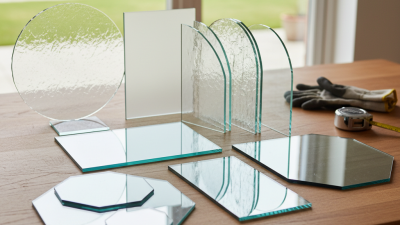
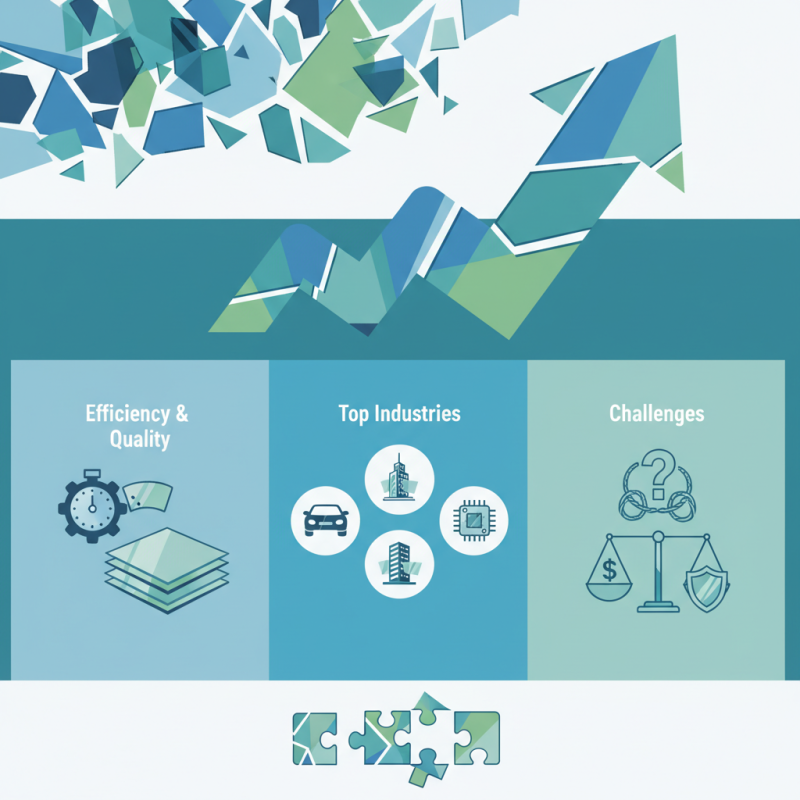
In recent years, pre cut glass has emerged as a vital component in various top industries across China. This innovation offers numerous advantages, making it highly sought after. Pre cut glass enhances efficiency by reducing production time and costs. Manufacturers appreciate its precision and consistent quality.
Industries such as automotive, construction, and electronics benefit significantly from using pre cut glass. For instance, automotive companies utilize it for windshields and windows, ensuring safety and durability. In construction, pre cut glass supports modern designs and applications. It enhances aesthetics while maintaining structural integrity.
However, reliance on pre cut glass also presents challenges. Sourcing the right materials and ensuring proper handling can be complex. Businesses must balance the benefits of efficiency with potential risks. Ultimately, understanding the impact of pre cut glass in these industries can lead to better decision-making and innovation.
Benefits of Pre Cut Glass in Manufacturing and Construction Industries
Pre-cut glass is revolutionizing the manufacturing and construction industries in China. This innovation offers precise dimensions and reduces waste. By streamlining the cutting process, manufacturers can significantly lower costs. Consistent quality also enhances the aesthetic appeal of finished products. However, relying solely on pre-cut elements can limit creativity in design.
In construction, pre-cut glass allows for faster installation. Workers spend less time measuring and cutting, which accelerates project timelines. Simplified logistics are another advantage; transporting standardized pieces is more efficient. Still, using pre-cut glass requires careful planning to ensure compatibility. Overreliance on this format might restrict design flexibility in unique projects.
Additionally, pre-cut glass enhances safety during handling. The risk of accidents decreases with fewer cutting errors on site. Workers can focus on assembling rather than fabricating pieces. On the other hand, improper storage can lead to damage and additional costs. Industries must balance the benefits of pre-cut glass with the potential for limitations.
Cost-Effectiveness of Pre Cut Glass in Reducing Labor and Material Waste
Pre cut glass has become a vital component in various industries across China. One of its key advantages lies in its cost-effectiveness. By utilizing pre cut glass, businesses can significantly reduce labor costs. A report from the China Glass Industry Association found that using pre cut materials can lower labor expenses by approximately 25%. This reduction results from streamlined operations and fewer personnel required for handling raw materials.
Moreover, pre cut glass minimizes material waste. Traditional cutting processes often lead to excess scrap, driving up costs. According to industry data, adopting pre cut solutions can decrease waste by over 15%. This not only saves money but also promotes environmental sustainability, a growing concern in modern manufacturing.
Tips for implementing pre cut glass include assessing the specific needs of your projects. Customization options can lead to better fit and performance. Always analyze the cost-benefit ratio between pre cut glass and traditional methods. Regularly reviewing your operations may reveal areas for further efficiency gains.
Cost-Effectiveness of Pre Cut Glass in Reducing Labor and Material Waste
Enhancing Design Flexibility with Pre Cut Glass Solutions
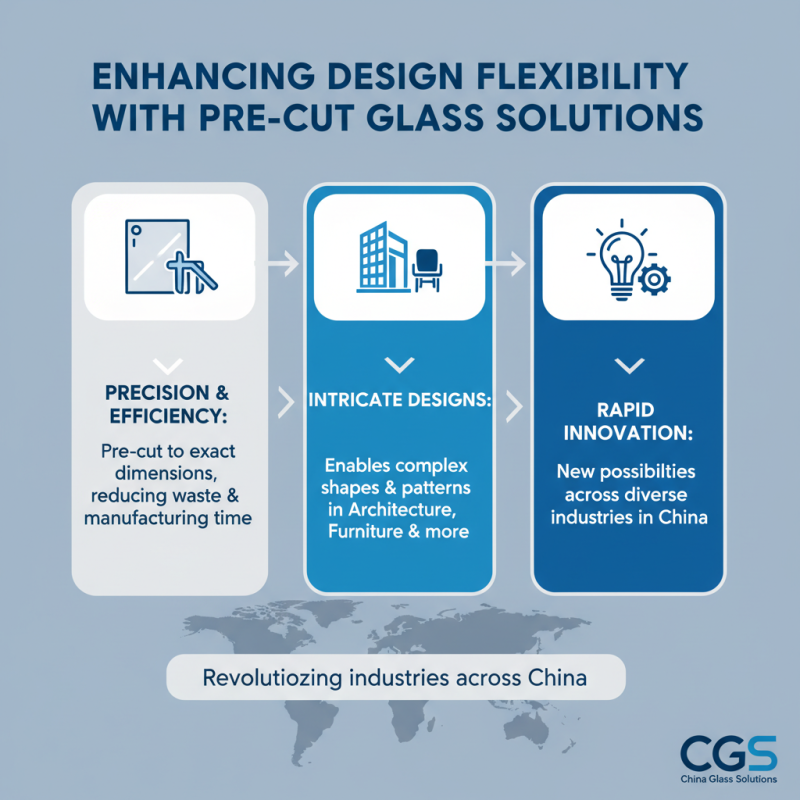
Pre-cut glass solutions are revolutionizing design flexibility across various industries in China. By offering precise dimensions and shapes, these products reduce waste and improve efficiency in manufacturing processes. Designers can achieve intricate patterns and structures that were once challenging to create. This adaptability opens new avenues for innovation in architecture, furniture design, and consumer products.
The ability to quickly adapt designs is crucial in today's fast-paced market. With pre-cut glass, companies can swiftly respond to changing customer demands. It allows for rapid prototyping and shorter production times. However, this speed may sometimes compromise quality. Manufacturers must maintain high standards to ensure durability and safety, even while chasing quicker turnarounds.
Additionally, integrating pre-cut glass into designs can present challenges. For example, installation can require specialized skills, making it essential to train workers adequately. The aesthetic appeal is unmatched, but issues like fragility can lead to concerns. Continuous reflection on these aspects will help industries refine their approaches and leverage the full potential of pre-cut glass solutions.
Quality Assurance and Precision in Pre Cut Glass Production
The production of pre-cut glass in China has significantly evolved, especially in terms of quality assurance and precision. Industry reports indicate that precise cutting techniques can reduce waste by approximately 30%. This efficiency not only saves raw materials but also minimizes costs for manufacturers. Precision in glass cutting is crucial in sectors like construction and automotive, where even a slight error can lead to substantial losses.
Recent studies highlight that quality assurance measures in pre-cut glass production enhance product reliability. Automated cutting machines, using advanced algorithms, ensure that each piece meets strict tolerance levels. A report from the China Glass Industry Association reveals that 85% of manufacturers are investing in these technologies. This investment reflects a growing commitment to producing high-quality glass that meets international standards.
Despite these advancements, challenges remain. Some factories still rely on outdated techniques, leading to inconsistencies in product quality. Quality control is not uniform across all suppliers, which can cause issues for businesses relying on these materials. Addressing these discrepancies is vital for advancing the industry and ensuring customer satisfaction in China’s top sectors.
Discover the Benefits of Pre Cut Glass in China Top Industries
| Industry |
Benefits of Pre Cut Glass |
Quality Assurance Methods |
Precision Measurement Tools |
| Construction |
Reduced Waste, Time Savings |
Factory Inspections |
Laser Calipers |
| Automotive |
Enhanced Safety, Custom Shapes |
Regular Quality Control |
3D Scanning Devices |
| Electronics |
Tailored Dimensions, Reduced Assembly Time |
Component Testing |
Precision Micrometers |
| Interior Design |
Aesthetic Appeal, Customization |
Visual Inspections |
Digital Measuring Tools |
Environmental Impact and Sustainability of Using Pre Cut Glass
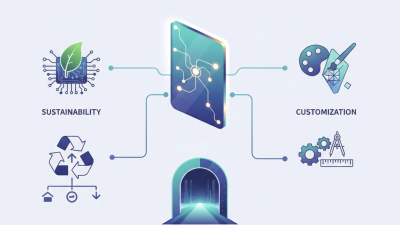
Pre-cut glass is gaining popularity across various industries in China. The emphasis on sustainability and environmental impact becomes crucial with this trend. A report by the China Building Materials Federation reveals that using pre-cut glass significantly reduces waste during production processes. This efficiency not only conserves resources but also lowers carbon footprints. In fact, pre-cut glass can decrease installation time by up to 30%, which cuts down on energy consumption in construction.
The environmental benefits extend beyond reduced waste. According to a study by the China National Glass Association, using recycled glass increases sustainability. Pre-cut glass can be produced with up to 50% recycled materials. However, this does not come without challenges. Maintaining clarity and strength while using recycled content requires advanced technology and careful quality control. Some manufacturers struggle with this aspect, leading to inconsistencies in the final product.
Moreover, the energy-intensive nature of glass production raises concerns. Although pre-cut solutions minimize certain aspects of waste, the energy used in manufacturing must be addressed. As industries move forward, industry stakeholders must reflect on these challenges. Balancing sustainability with production efficiency remains an ongoing discourse. It’s essential to explore innovative solutions that not only benefit the environment but also ensure product reliability.