10 Best Heat Protection Glass Options for Your Home and Office?
In today's world, the importance of energy efficiency in our living and working environments cannot be overstated. Heat Protection Glass plays a pivotal role in enhancing comfort and reducing energy costs. This specialized glass minimizes heat transfer, keeping indoor spaces cooler during the hot months. Beyond reducing heat, it also contributes to glare reduction and UV protection.
Choosing the right type of Heat Protection Glass can be daunting. Each option offers unique benefits and varying levels of insulation. For instance, some might excel in summer cooling, while others provide year-round efficiency. This diversity can lead to confusion, especially for homeowners and business owners looking for optimal solutions.
While many are aware of the basic functions of heat-resistant glass, the specifics often remain unclear. It’s essential to engage with reliable sources and expert opinions. This guide aims to explore the ten best options for Heat Protection Glass, aiming to simplify the selection process and inform your decision.
Overview of Heat Protection Glass Types for Residential and Office Use
When selecting heat protection glass for homes and offices, several types are available. Laminated glass is popular due to its ability to block harmful UV rays and reduce heat gain. It consists of two or more layers of glass with interlayers, offering insulation and safety. Another option is low-emissivity (Low-E) glass. It reflects heat while allowing natural light to enter, creating a comfortable environment indoors.
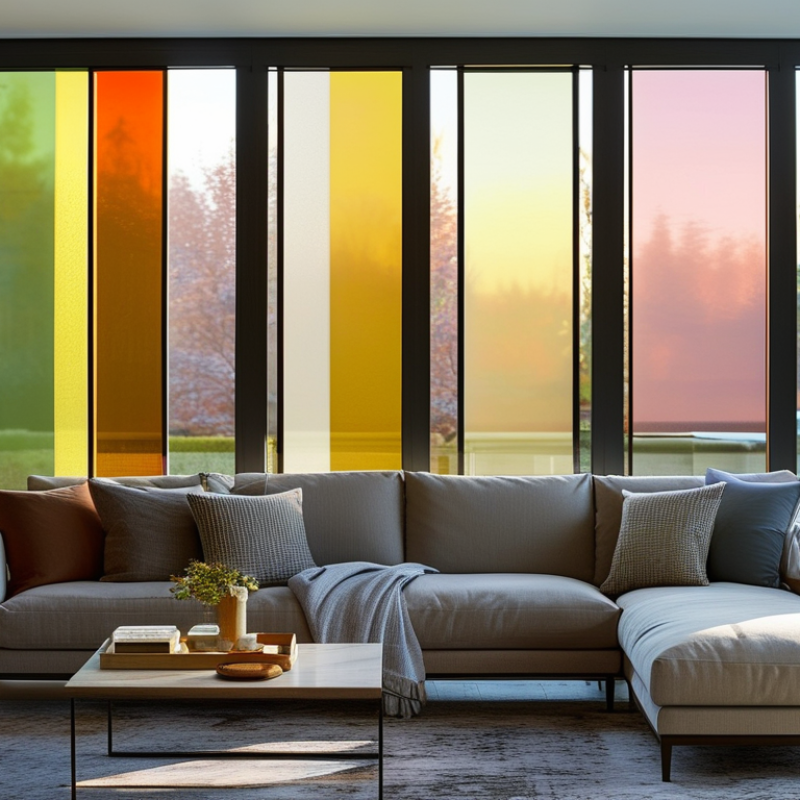
Tempered glass is another excellent choice. It is treated for strength and safety. When broken, it shatters into small pieces, minimizing injury risks. This type of glass can withstand higher temperatures, making it suitable for areas with extreme heat exposure. Those looking for better aesthetic options may consider tinted glass, which reduces glare and enhances privacy.
Tips for selecting heat protection glass include checking the thermal performance ratings. Look for window films with high solar heat gain coefficients. Consider the color and transparency to match your design vision. It's essential to think about cost and installation options too. A higher initial investment may save more on energy bills in the long run.
10 Best Heat Protection Glass Options for Your Home and Office
| Type of Glass |
UV Protection (%) |
Heat Reduction (%) |
Visible Light Transmission (%) |
Applications |
| Low-E Glass |
99% |
40% |
70% |
Residential, Commercial |
| Tinted Glass |
80% |
60% |
30% |
Office, Building Facades |
| Reflective Glass |
90% |
70% |
40% |
Skylights, Exterior Windows |
| Triple Glazed Glass |
95% |
50% |
60% |
High-End Residential, Offices |
| Insulated Glass |
88% |
45% |
65% |
Residential, Commercial |
| Obscured Glass |
70% |
30% |
50% |
Bathrooms, Offices |
| Laminated Glass |
95% |
40% |
75% |
Safety, Security, Noise Reduction |
| Solar Control Glass |
99% |
65% |
55% |
Commercial Buildings, Skylights |
| Smart Glass |
95% |
50% |
60% |
Dynamic Privacy Control, Commercial |
| Heat-Strengthened Glass |
80% |
35% |
45% |
High-Rise, Commercial |
Benefits of Using Heat Protection Glass in Your Spaces
Heat protection glass offers numerous advantages for both residential and commercial spaces. One major benefit is energy efficiency. According to a report by the U.S. Department of Energy, using low-emissivity (low-E) glass can reduce energy costs by up to 30%. This type of glass reflects heat while allowing natural light to enter, creating a comfortable indoor climate without excessive air conditioning.
Additionally, heat protection glass can improve the durability of your interiors. Sunlight can fade fabrics and damage furnishings over time. An American Society of Interior Designers study indicates that rooms with protective glazing see less wear and tear on carpets and upholstery. Over a five-year period, this can lead to considerable savings in maintenance and replacement costs.
However, it's essential to select the right type of heat protection glass. Not all options provide adequate energy-saving benefits. Some products may not meet local energy codes or performance standards. The challenge is to balance aesthetics and functionality while ensuring compliance. A misguided choice can result in higher energy bills and a less comfortable environment. Understanding the specifications of your options is crucial.
Top 10 Heat Protection Glass Options and Their Features
When selecting heat protection glass, it’s essential to consider various features that enhance its efficiency. The best options offer superior insulation, reducing heat transfer significantly. Low-emissivity (Low-E) glass is an excellent choice. It reflects heat while allowing ample natural light into your space. This glass reduces cooling costs by maintaining indoor temperatures.
Another reliable heat protection option is tinted glass. It limits glare and adds a layer of privacy. By absorbing solar energy, tinted glass keeps interiors cooler. Additionally, double-glazed glass provides enhanced thermal performance. The air gap between panes acts as an insulator, further minimizing heat gain.
One must take into account the overall aesthetics when choosing heat protection glass. Some options may alter the appearance of your home or office. This could lead to dissatisfaction with the final look. It is necessary to consult experts and possibly conduct tests before making a purchase. Evaluating the right balance between design and functionality is crucial. Keeping these features in mind ensures a sound investment in heat protection glass.
Factors to Consider When Choosing Heat Protection Glass
When choosing heat protection glass, several factors should be taken into account. The thickness of the glass is crucial. Thicker glass typically offers better insulation, reducing heat transfer. Consider the frame material as well. Aluminum frames conduct heat, while wooden frames have better thermal resistance. Assessing these aspects ensures optimal performance in managing indoor temperatures.
Another important aspect is the type of coating on the glass. Low-emissivity (Low-E) coatings can reflect heat while allowing natural light. This dual benefit is essential for both comfort and energy efficiency. Also, consider the orientation of your windows. South-facing windows catch more sunlight, so the right glass can minimize unwanted heat gain.
Lastly, reflect on how your space is used. If rooms are often closed off, higher heat resistance is necessary. On the other hand, open spaces might need less protective glass. Evaluating the specific needs of each area will lead to a more informed decision. Each choice affects not just aesthetics but also energy consumption. Make choices that align with sustainability.
Maintenance Tips for Heat Protection Glass Products
When you invest in heat protection glass, it's crucial to ensure its longevity and effectiveness. Regular cleaning is essential. Use a soft cloth and a gentle glass cleaner to avoid scratching the surface. Harsh chemicals can damage the protective coating. Maintain a consistent cleaning schedule to prevent dirt buildup, which can hinder its heat-reflective properties.
Inspect your heat protection glass periodically. Look for chips, cracks, or any signs of wear. Small damages can escalate if left unaddressed. Sealing any gaps or imperfections helps maintain insulation and energy efficiency. Also, consider the surrounding areas. Tinted window films can complement heat protection glass. They provide an extra layer of protection against UV rays.
Consider how heat protection glass interacts with your home's environment. Direct sunlight can fade furniture and flooring over time. Adjust curtains or shades accordingly. However, not all methods are foolproof; over-reliance on glass can lead to fading. Balance natural light with protection to enhance both aesthetics and functionality in your space. Taking these steps helps ensure your investment continues to perform as expected.
Heat Protection Glass Options Performance Comparison