2026 Top Heat Protection Glass Trends for Global Buyers?
As the global market evolves, understanding the latest trends in Heat Protection Glass is crucial for buyers. Sarah Thompson, a leading expert in architectural materials, emphasizes, "Choosing the right heat protection glass can transform energy efficiency." With rising temperatures and increasing energy costs, more consumers seek effective solutions.
In recent years, Heat Protection Glass has gained traction across various sectors. Manufacturers innovate, aiming to provide products that not only resist heat but also offer aesthetic appeal. This shift responds to eco-conscious buyers who are aware of their environmental impact.
Yet, challenges remain. Not all Heat Protection Glass meets the same quality standards. Buyers must navigate a complex landscape of options. Ensuring reliability and performance should be a priority. Proper selection and understanding of specifications can prevent costly mistakes. The journey to finding the ideal glass is not always straightforward, but the potential benefits are worth exploring.
Emerging Innovations in Heat Protection Glass for 2026
The heat protection glass industry is evolving rapidly as we approach 2026. Innovations focusing on energy efficiency and sustainability are gaining traction. Recent data shows that the global heat-protection glass market is projected to reach USD 12 billion by 2026, growing at a CAGR of 5.2% from 2021. This growth is driven by increasing demand in both residential and commercial sectors.
Emerging technologies such as advanced coatings and smart glass solutions are reshaping the landscape. For instance, low-emissivity (Low-E) glass significantly reduces heat transfer while allowing sunlight in. Reports indicate that Low-E glass can reduce energy costs by up to 30%. Another trend is the use of nanotechnology in glass manufacturing. This enhances thermal performance while maintaining transparency, a crucial aspect desired by consumers.
However, challenges remain in standardizing measurements for thermal performance. Not all products meet the same criteria, leading to potential consumer confusion. Moreover, educating buyers about these advancements is essential, as many still rely on outdated information. Investing in consumer education will help bridge this gap and drive the adoption of innovative glass solutions.
Key Market Drivers Influencing Heat Protection Glass Demand
The demand for heat protection glass is shaped by several market drivers. Rising global temperatures are a significant influence. According to research, heat waves are becoming more frequent, leading to higher air conditioning usage. This trend pushes for energy-efficient solutions in buildings. The International Energy Agency highlighted that energy consumption in buildings could rise by 30% by 2030 if not addressed.
Building regulations play a crucial role too. Many governments aim to enhance energy efficiency in construction. New standards are being established, requiring glass that provides better thermal performance. For example, the global market for energy-efficient glass is projected to reach $60 billion by 2026. This reflects a steady increase in the adoption of advanced materials.
Consumer awareness is also rising. People are becoming more conscious of energy savings and sustainability. They prefer products that minimize their carbon footprint. A recent survey noted that over 70% of homeowners are willing to invest more in energy-efficient solutions. These factors indicate a robust trend toward heat protection glass, yet there are challenges. Not all markets have access to advanced technology, creating disparities in product availability and effectiveness.
Technological Advances Enhancing the Performance of Heat Protection Glass
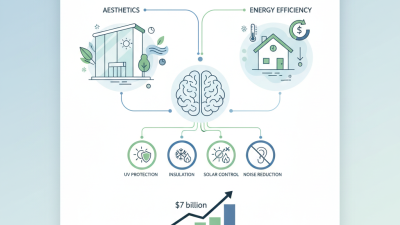
Technological advances in heat protection glass are revolutionizing various industries. Innovations enhance energy efficiency, comfort, and durability. New coatings and materials improve insulation while reducing glare. This means spaces stay cool while allowing ample natural light. Additionally, changes in manufacturing processes lead to more sustainable glass production.
Here are some considerations for buyers: assess the glass's solar control properties and thermal resistance. It’s essential to understand how these features impact energy consumption. Also, explore customizable options to fit specific architectural needs. This personal touch can bring distinct advantages to your projects.
As technology evolves, outdated practices may linger. Some may overlook the importance of proper installation, affecting performance. Others might prioritize cost over quality, risking long-term benefits. Addressing these issues can ensure better outcomes in energy efficiency and comfort for any space.
Sustainability Trends Impacting Heat Protection Glass Production
The production of heat protection glass is increasingly influenced by sustainability trends. As consumers demand greener products, manufacturers face pressure to adopt eco-friendly practices. Recent reports indicate that 70% of industry leaders prioritize sustainability in their production processes. This shift is not just about compliance; it is becoming a competitive advantage.
Many producers are exploring recycled materials to create heat-resistant glass. Research shows that recycled content can improve energy efficiency by up to 20%. This aligns with the growing focus on circular economy principles. However, challenges remain in ensuring the durability and performance of these materials. Not all recycled components meet the high standards required for heat protection.
Innovative technologies are emerging to enhance sustainability. For instance, advancements in low-emission coatings reduce the environmental impact without sacrificing functionality. But the adoption rate is slow. Some companies remain committed to traditional methods due to perceived cost barriers. Balancing sustainability with quality is critical for future growth. Buyers must consider these evolving trends while making informed decisions. The industry is at a crossroads, and how it responds will shape the future landscape of heat protection glass.
Regional Market Analysis of Heat Protection Glass Sales and Usage
The global market for heat protection glass is evolving rapidly, with significant variations across different regions. According to industry reports, the Asia-Pacific region leads in sales, accounting for approximately 40% of the total market share. This growth is attributed to rising construction activities and increasing demand for energy-efficient solutions. Meanwhile, Europe follows closely, fueled by stricter regulations on energy conservation and environmental sustainability.
North America presents a unique challenge. While the market is growing, it is also affected by fluctuating raw material prices. This leads to unpredictable costs for manufacturers and consumers alike. Understanding regional differences in heat protection glass application is crucial. For instance, southern states in the U.S. exhibit a higher usage of heat-resistant glazing due to increased sunlight exposure.
Consider these tips for navigating the heat protection glass market effectively. Evaluate local regulations that can affect product specifications. Research the climatic conditions of your target market. This ensures you choose the right products for your needs. A thorough analysis of these factors helps in making informed decisions, ultimately leading to successful project implementations. However, remember that trends can shift. Staying adaptable is key to mitigating risks associated with market fluctuations.
2026 Top Heat Protection Glass Trends for Global Buyers
| Region |
Market Size (Million USD) |
Growth Rate (%) |
Usage Applications |
| North America |
1200 |
5.5 |
Commercial, Residential |
| Europe |
950 |
4.8 |
Automotive, Building |
| Asia-Pacific |
1500 |
6.2 |
Energy, Transportation |
| Latin America |
400 |
3.1 |
Industrial, Agriculture |
| Middle East & Africa |
350 |
4.0 |
Construction, Oil & Gas |