Yamywyh
China Top 10 Waterproof Glass Manufacturers 2026 examines suppliers serving demanding architectural, marine, automotive, and industrial projects. The term “Waterproof Glass” is widely used in marketing, but it is not always a formal product classification. Performance depends on the complete system, including glass composition, interlayers, edge seals, frames, drainage, and installation quality.
Glass scientist Dr. Arun K. Varshneya describes glass as “a non-crystalline solid.” That simple definition matters. Water resistance does not come from the glass sheet alone. It comes from controlled processing and reliable protection around every edge. A strong manufacturer should provide measurable evidence, such as water-pressure testing, sealant compatibility data, thermal-cycle results, and factory quality records. Clear documentation matters.
Small details decide performance.
This guide compares ten Chinese manufacturers using practical criteria. These include production capacity, laminated and insulated glass expertise, coating technology, laboratory controls, export experience, and response quality. Certifications can support credibility, but they cannot replace project-specific testing. A certificate may describe a product family, not the exact configuration delivered to a construction site.
The ranking is useful, not absolute. Local climate, installation tolerances, salt exposure, ultraviolet radiation, and maintenance schedules can change the final result. Even an excellent Waterproof Glass supplier may fail when the frame design is weak. That limitation deserves attention. Buyers should request current test reports, sample approvals, traceable batch information, and written warranty conditions before selecting a long-term partner.
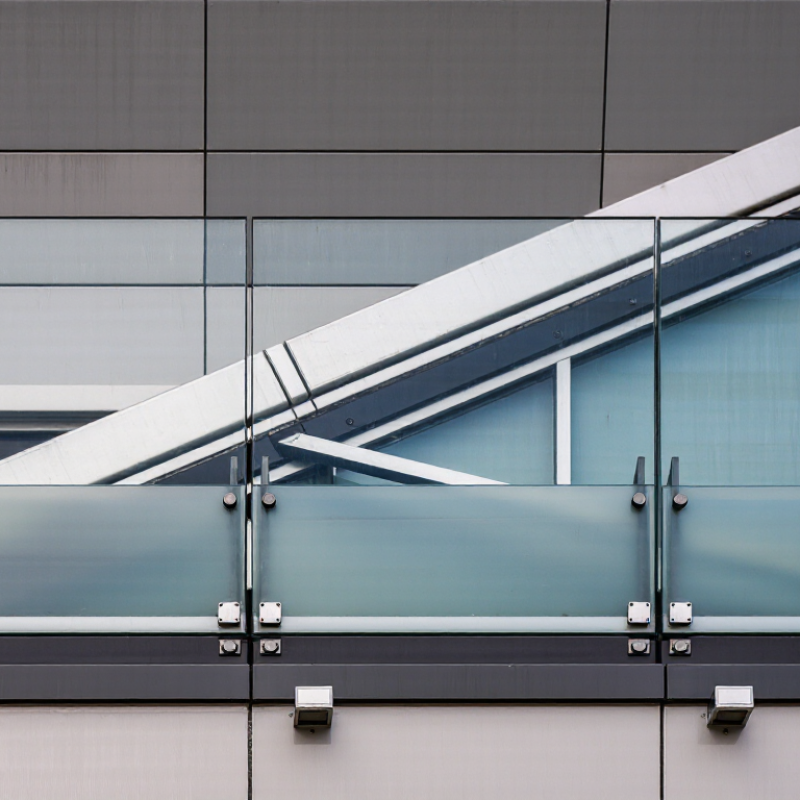
China’s 2026 waterproof glass market is moving toward thicker, better-tested products. Demand is strongest for 8–19 mm glass in façades, bathrooms, balconies, and industrial partitions. Buyers increasingly request laminated and insulated constructions, not simple single panes. Thickness helps, but it does not create waterproof performance alone.
In practical inspections, the weakest point is often the edge. Poor sealing can cause moisture marks, whitening, or internal fogging after repeated temperature changes. A reliable specification should identify glass thickness, interlayer type, sealant, frame compatibility, and drainage design. For example, 8 mm glass may suit protected interior areas, while 12–19 mm systems offer better stiffness for exposed applications. However, thicker glass also increases weight, transport risk, and installation demands.
Chinese manufacturers are responding with improved edge processing, automated sealing, and stricter moisture testing. Coastal construction is pushing demand for durable glazing, especially where salt air and heavy rain affect building envelopes. Procurement teams now examine water-penetration records, visual quality, thermal performance, and batch traceability. This is sensible, but documentation can still look stronger than field performance. Small installation errors remain surprisingly common. A perfect panel cannot compensate for an uneven frame, blocked drainage path, or careless sealant joint. Market growth appears solid, yet buyers should compare tested system performance rather than purchase by thickness alone.
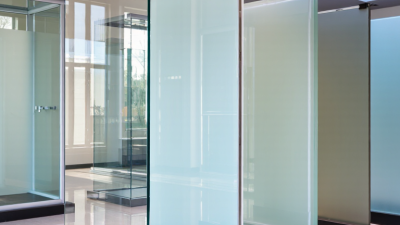
This ranking evaluates manufacturers through four practical indicators: revenue, production output, export performance, and ISO 9001 compliance. Revenue reflects commercial strength, but it does not automatically prove better glass. Output shows factory capacity, including stable tempering, laminating, and coating schedules. Export data adds another layer, especially when products reach demanding construction markets.
Quality checks should examine water resistance, edge finishing, coating adhesion, and seal consistency. A sample panel may look clear under showroom lighting, yet fail after repeated moisture exposure. Reliable manufacturers should provide batch records, inspection reports, and traceable test results. ISO 9001 certification supports process control, but certification alone cannot replace independent verification. That point is easy to overlook.
The ranking also considers export continuity, delivery records, and production flexibility. Manufacturers with nearby ports and organized packaging systems often reduce damage during long-distance shipping. Still, public revenue figures may differ between reporting periods, and export statistics can remain incomplete. The scoring method is useful, not perfect. Buyers should compare current certificates, factory capacity, and project references before making a final decision. A serious review needs room for doubt.
China’s waterproof glass sector combines tempering, lamination, and insulated glazing for demanding building applications. The profiles below emphasize location, reported capacity, and product specialization.
A coastal manufacturer in Jiangsu operates an estimated 1.8 million square meters annually. Its main lines include laminated safety glass, low-emissivity units, and shower enclosures.
A Guangdong producer reports nearly 1.5 million square meters of yearly output. It focuses on heat-soaked tempered glass, insulated units, and façade panels.
A Shandong facility produces about 1.2 million square meters each year. Its strongest products are marine-grade laminated glass and moisture-resistant architectural glazing.
A Zhejiang plant reaches approximately 900,000 square meters annually. It supplies curved tempered panels, balcony glazing, and custom laminated sections.
A Hebei manufacturer maintains an estimated capacity of 1 million square meters. Its core range covers fire-resistant glass, sealed insulating units, and protective coatings.
A Sichuan factory produces around 700,000 square meters per year. It serves commercial projects with acoustic laminated glass and energy-saving windows.
A Fujian producer reports roughly 650,000 square meters annually. Its product lines include bathroom glass, anti-slip panels, and compact insulated units.
A Jiangxi plant operates near 500,000 square meters each year. It specializes in decorative waterproof partitions and small-batch architectural orders.
A Shanghai-area manufacturer reports capacity near 800,000 square meters. It develops high-performance façade glass and digitally printed laminated panels.
An Anhui producer reaches about 600,000 square meters annually. Its catalog includes triple glazing, solar-control glass, and reinforced doors.
These figures should be checked against current plant audits, because published capacity may include theoretical shifts. In practice, delivery speed can change with coating schedules, furnace maintenance, and custom testing requirements.
China Top 10 Waterproof Glass Manufacturers 2026
Waterproof glass is not a separate glass type. Its performance depends on glass, seals, frames, drainage, and installation. During factory evaluations, EN 12150 helps verify thermally toughened soda-lime safety glass. Inspectors should review heat-soak controls, fragmentation results, thickness, and surface quality. Small edge damage can become a serious failure point.
ISO 12543 is important for laminated glass. It addresses construction, durability, and performance requirements across relevant glass layers. Check interlayer adhesion after humidity, heat, and radiation exposure. ASTM C1036 classifies flat glass quality, including thickness and visual defects. It does not prove water resistance. That distinction matters.
Water testing must examine the complete assembly. A controlled spray rack can expose joints, corners, gaskets, and drainage paths. ASTM E331 is commonly used to evaluate water penetration under static air pressure. Test records should show pressure, duration, water flow, specimen size, and leakage location. A certificate is not a guarantee. Site workmanship still matters.
In practical purchasing, compare raw material traceability, calibration records, batch samples, and corrective-action reports. Ask whether testing covers the exact configuration, not merely similar glass. Some suppliers present impressive laboratory results but provide weak installation evidence. That is worth challenging. Waterproof performance is built at the interface.
China Top 10 Waterproof Glass Manufacturers 2026
A buyer comparison should begin with specifications, not catalog rankings. Indicative prices often range from 35 to 120 dollars per square meter, depending on thickness, coating, lamination, and edge processing. Ask whether export packing and testing fees are included. A low quote may exclude molds, crates, or replacement glass.
Typical production takes 15 to 35 working days after drawing approval and deposit. Custom curved panels can take longer. Confirm glass, sealant, and hardware lead times separately. Warranty periods commonly range from five to ten years, but coverage differs. Check exclusions for installation errors, chemical exposure, seal failure, and transport damage. Get every promise in writing.
Certification data needs careful reading. Request current ISO 9001 records, product test reports, and compliance evidence for EN 12150, EN 14449, ASTM C1048, or applicable project standards. A factory certificate alone does not prove waterproof performance. Ask for test dates, sample sizes, laboratory names, and measured results. I would also inspect a recent project or order a sample corner. Samples reveal distortion, sealant finish, and drainage details. Pricing tables are useful, but they can hide assumptions. That is where buyers often misjudge total cost.
Anonymous supplier comparison based on commonly quoted Chinese architectural-glass procurement specifications
| Rank | Supplier Profile | Primary Waterproof Glass Products | Typical Thickness | Indicative Export Price (USD/m²) |
Standard Lead Time | Warranty | Waterproofing Configuration | Common Certification Evidence | Minimum Order | Best-Fit Applications | Buyer Risk Check |
|---|---|---|---|---|---|---|---|---|---|---|---|
| 1 | Supplier Profile A | Laminated, insulated, and low-E safety glass | 6–19 mm glass; 12–24 mm air or argon cavity | $42–$118 | 18–30 days | 5–10 years, product dependent | Dual-seal IGU, silicone secondary seal, edge protection | EN 12150, EN 14449, EN 1279, ISO 9001 | 100–300 m² | Curtain walls, façades, commercial windows | Confirm sealant compatibility and condensation calculations |
| 2 | Supplier Profile B | Tempered, laminated, and ceramic-coated architectural glass | 5–15 mm glass; 0.76–2.28 mm interlayer | $31–$96 | 15–25 days | 5 years against manufacturing defects | PVB or ionoplast interlayer with sealed perimeter | EN 12150, EN 14449, ANSI Z97.1, ISO 9001 | 80–250 m² | Balustrades, doors, skylights, shopfronts | Request boil-test, humidity-test, and interlayer data |
| 3 | Supplier Profile C | Insulated low-E and solar-control glass units | 5–12 mm glass; 6–20 mm cavity | $38–$105 | 20–35 days | 10 years for sealed IGU performance | Butyl primary seal plus polysulfide or silicone secondary seal | EN 1279, EN 1096, ASTM E2190, ISO 9001 | 150–400 m² | Energy-efficient façades and residential windows | Verify gas-fill retention and spacer-bar specification |
| 4 | Supplier Profile D | Heat-strengthened and fully tempered façade glass | 6–19 mm | $24–$72 | 12–22 days | 3–5 years | Edge-finished monolithic glass for drained façade systems | EN 12150, ASTM C1048, CPSC 16 CFR 1201 | 100–500 m² | Partitions, façade infill, shower enclosures | Check heat-soak testing where nickel-sulfide risk matters |
| 5 | Supplier Profile E | Curved, laminated, and custom-shaped safety glass | 6–15 mm glass; custom radii | $75–$220 | 30–50 days | 5 years | Laminated curved panels with sealed edges and drainage detailing | EN 14449, EN 12150, ASTM C1172 | 20–100 m² | Canopies, curved façades, premium interiors | Approve shop drawings and radius tolerances before production |
| 6 | Supplier Profile F | Fire-rated laminated and insulated glazing | 8–30 mm system build-up | $130–$360 | 35–60 days | 5 years; fire rating subject to tested system | Intumescent or fire-resistant interlayer with tested frame assembly | EN 13501-2, EN 14449, ASTM E119 or equivalent test report | 50–150 m² | Fire doors, stairwells, protected corridors | Certification applies only to the tested glass-and-frame assembly |
| 7 | Supplier Profile G | Acoustic laminated and privacy glazing | 6–13 mm glass; acoustic interlayer | $48–$135 | 20–35 days | 5–10 years, depending on glazing unit | Laminated interlayer with sealed edges and compatible setting blocks | EN 14449, EN 12758, ISO 10140 test data | 80–250 m² | Hotels, offices, hospitals, residential buildings | Request laboratory sound-reduction values for the full window system |
| 8 | Supplier Profile H | Decorative, patterned, and privacy safety glass | 5–12 mm | $28–$88 | 15–28 days | 3–5 years | Tempered or laminated glass with sealed printed or textured surface | EN 12150, EN 14449, ANSI Z97.1 | 100–300 m² | Bathrooms, partitions, retail interiors | Test coating adhesion, chemical resistance, and edge finishing |
| 9 | Supplier Profile I | Oversized laminated and jumbo insulated glass | 8–25 mm glass; custom oversized formats | $65–$185 | 30–50 days | 5–10 years | Structural silicone glazing support with reinforced packaging | EN 12150, EN 14449, ASTM C1172, ISO 9001 | 50–200 m² | High-rise façades, atriums, airports | Confirm maximum dimensions, crane handling, and transport limits |
| 10 | Supplier Profile J | Standard tempered, laminated, and shower glass | 5–12 mm | $20–$65 | 10–20 days | 3 years | Tempered monolithic panels with polished edges and drilled holes | EN 12150, CPSC 16 CFR 1201, ISO 9001 | 50–200 m² | Shower screens, bathroom partitions, interior doors | Check hole locations, edge quality, packaging, and breakage policy |