China Top Waterproof Glass Manufacturers for Global Buyers
Choosing reliable waterproof glass suppliers requires more than comparing prices or polished product photos. Global buyers need manufacturers with proven production experience, consistent quality control, and clear technical documentation. China has developed a broad glass manufacturing base, serving architecture, bathrooms, marine interiors, façades, and customized industrial projects. Yet product names can be confusing. “Waterproof Glass” may describe sealed assemblies, laminated panels, coated surfaces, or glass designed for high-moisture environments. These solutions do not perform identically.
Details matter. A dependable manufacturer should explain glass composition, edge treatment, sealant selection, thickness tolerance, and water-resistance testing. Factory audits can reveal more than online catalogs. Look for automated cutting lines, clean tempering areas, inspection records, and properly protected packaging. Ask how suppliers handle scratches, broken edges, delayed samples, and replacement claims. Those answers often show their real customer service standards.
This guide introduces leading Chinese waterproof glass manufacturers for global buyers. It considers product range, customization ability, certifications, export experience, and communication reliability. It also examines practical applications, from shower partitions exposed to daily splashes to façade panels facing heavy rain and coastal humidity. No supplier is perfect. Even strong factories may have limits with unusual sizes, urgent schedules, or special coatings. Buyers should verify current certificates, request samples, and confirm test methods before placing large orders. Small checks prevent expensive surprises. A manufacturer’s reputation matters, but documented performance matters more.
What Waterproof Glass Is and How It Supports Global Applications
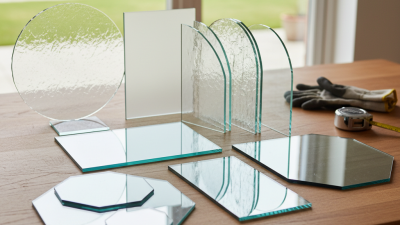
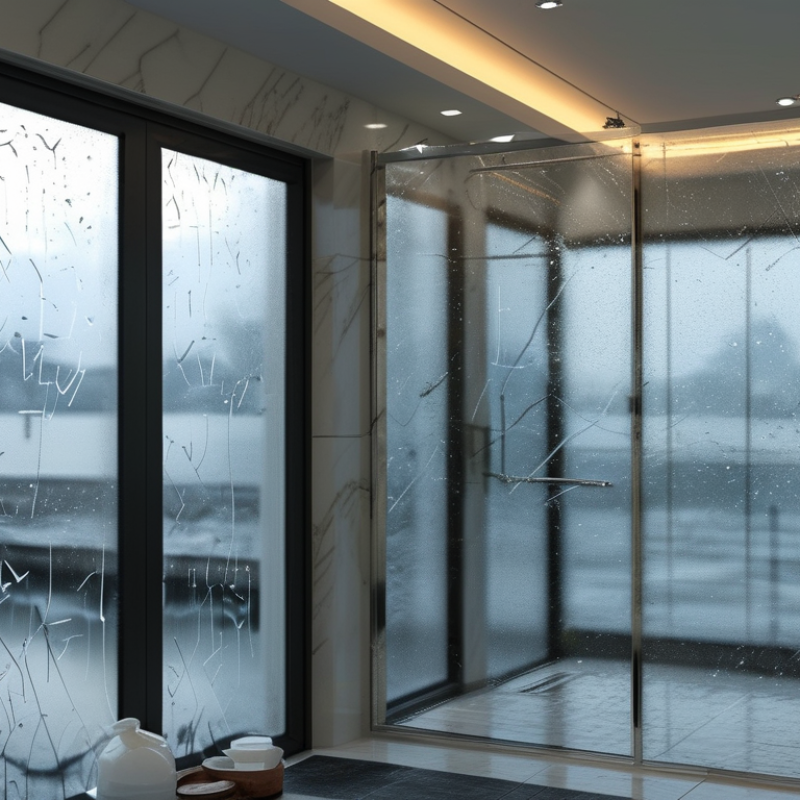
Waterproof glass is engineered to resist water penetration, not simply coated to look smooth. It usually combines treated glass, sealed edges, and moisture-resistant interlayers. The edge is often the weakest point. Small details matter. Chinese manufacturers commonly produce laminated, insulated, and coated glass for demanding building projects. Their performance depends on design, processing, and installation quality.
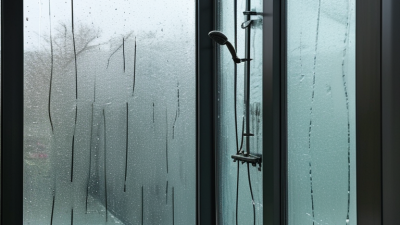
For coastal buildings, waterproof glass can reduce moisture entry around windows and curtain walls. In bathrooms, it helps protect partitions from repeated splashing and humid air. In transport facilities, sealed glass supports cleaner interiors and more stable visibility. Buyers should check water-pressure tests, sealant compatibility, thermal performance, and production traceability. Ask for test reports. “Waterproof” should never mean permanent protection under every condition.
Reliable suppliers also adapt glass thickness, dimensions, coatings, and edge treatments to regional project requirements. They may support compliance with recognized international testing methods and provide samples before mass production. Still, specifications alone cannot prevent failure. Poor drainage, incorrect framing, or rushed installation can damage an otherwise strong panel. A perfect seal is rarely permanent. Global buyers should examine maintenance access, replacement procedures, and local climate exposure before approving a final design. This practical review may reveal weaknesses earlier, when corrections cost less.
Waterproof Glass Build-Up for Global Applications
Glass is naturally non-porous and does not absorb water. In practical waterproof glazing systems, performance depends on the glass configuration, edge seals, gaskets, frames, joints, drainage, and installation quality. The chart shows representative nominal glass build-up thicknesses commonly specified for different applications.
Values are representative configurations in millimetres, not universal minimum requirements. Final specifications should be verified against local building codes, wind loads, impact requirements, thermal performance, and water-tightness testing.
China’s Leading Waterproof Glass Manufacturing Regions
China’s waterproof glass industry is concentrated in several manufacturing regions, each with a distinct production strength. Guangdong, especially Foshan and surrounding areas, serves architectural and bathroom projects. Factories there often produce laminated shower panels, coated glass, and custom partitions. The region benefits from strong processing networks and fast access to export ports.
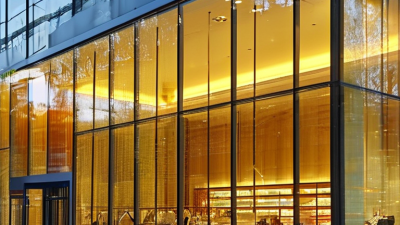
Jiangsu and Zhejiang are known for precision glass processing and deeper engineering support. Manufacturers commonly supply insulated units, low-emissivity glass, and sealed façade systems. Their facilities often use automated cutting, edge polishing, tempering, and sealant inspection. This matters when glass faces constant rain, humidity, or temperature changes. Still, waterproof performance depends on the full installation, not glass alone.
Shandong and Hebei provide large-scale float glass and construction glass production. Their supply chains can support thick panels, bulk orders, and standardized building projects. Buyers should inspect water penetration tests, sealant compatibility, edge quality, and production records. Ask for samples with real corner joints. Small defects appear there first. Factory experience is useful, but paperwork cannot replace physical testing. Some suppliers also describe ordinary tempered glass as waterproof, which is not technically precise. A reliable manufacturer should explain drainage, gaskets, coatings, and maintenance requirements clearly. Regional advantages are valuable, yet the best choice depends on climate, application, project drawings, and quality control.
How to Evaluate Chinese Waterproof Glass Manufacturers
China Top Waterproof Glass Manufacturers for Global Buyers
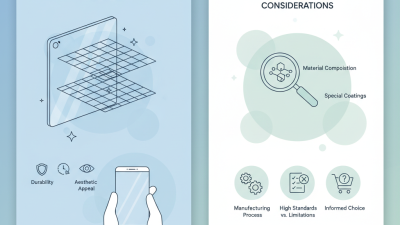
Evaluating Chinese waterproof glass manufacturers requires more than comparing quotations. The IEA Buildings report states that buildings consume about 30% of global final energy. This makes glazing performance commercially important, not merely cosmetic. Ask whether the supplier produces laminated, insulating, or curtain-wall glass. These products have different failure risks. Inspect edge-seal design, spacer quality, desiccant filling, and drainage details. A clear sample proves little.
Request test reports for the exact glass configuration. ASTM E331 measures water penetration under controlled pressure, while ASTM E283 evaluates air leakage. For insulating units, EN 1279 addresses durability and sealing performance. Reports should show test dates, specimen dimensions, pressure levels, and laboratory accreditation. ISO 9001 certification helps, but it does not prove waterproof performance. That distinction is often missed.
Factory evidence matters most. Review batch codes, coating records, sealant storage temperatures, autoclave logs, and glass breakage data. During an audit, ask the manufacturer to demonstrate a water test rather than showing only photographs. Check whether third-party results match the production line, not a specially prepared sample. The Global Buildings Performance Network has repeatedly highlighted the gap between designed and actual building performance. The same gap appears in glazing. Installation drawings, compatible sealants, transport protection, and warranty exclusions deserve equal attention. A dry laboratory sample can still fail after months of thermal movement. This is where my own assessment would remain cautious: factory confidence is useful, but traceable evidence is stronger.