10 Essential Tips for Choosing Full Screen Glass for Your Devices?
Choosing the right Full Screen Glass for your devices is crucial for their longevity and functionality. As screens become larger and more intricate, selecting high-quality glass can significantly impact your user experience. An ideal Full Screen Glass can enhance clarity, touch sensitivity, and overall durability. However, the market is flooded with options, making this decision complex.
It is essential to consider material quality. Not all Full Screen Glass is made equally. Some prioritize cost over durability, leading to potential issues down the line. You might find that a cheaper option doesn’t withstand everyday use. This can lead to cracks or scratches in just a few weeks. Furthermore, be mindful of compatibility. Not every glass fits every device perfectly. Incorrect sizes can affect screen responsiveness. This choice may seem trivial but can make a significant difference.
Understanding the varying features available is vital. Some Full Screen Glass options offer additional anti-glare or blue light-filtering capabilities. Evaluating such features can help you make a more informed decision. Take the time to research and reflect on your needs. What works for one device may not be the best for another. With careful consideration, you can select the ideal option for your technology needs.
Understanding the Benefits of Full Screen Glass for Your Devices
Full screen glass has become a popular choice for many devices, offering a sleek aesthetic and increased durability. This material not only enhances the visual experience but also adds a layer of protection against scratches and impacts. Devices equipped with full screen glass appear more modern and engaging, making them more user-friendly. The seamless design can reduce glare and improve visibility, which is especially beneficial for outdoor use.
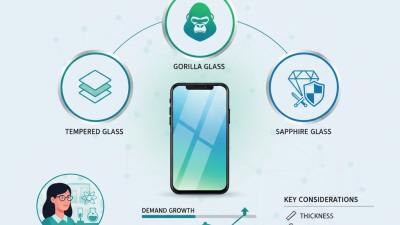
When choosing full screen glass, it’s vital to consider both quality and compatibility. High-quality glass provides better clarity and longevity. There are various types available, such as tempered or Gorilla glass, each with unique benefits. It’s essential to check specifications to ensure the glass fits your device perfectly. However, not all glass is created equal, and some may not adhere as well to the device, leading to bubbles or misalignment.
Reflecting on your needs, think about how you use your device. If you often take it outdoors or use it extensively, investing in high-grade full screen glass is wise. Yet, be cautious; less expensive options may compromise screen sensitivity. Balancing budget and quality is crucial. Your choice can significantly impact user experience and device lifespan. Prioritize research to avoid making a hasty decision.
Key Features to Look for in High-Quality Full Screen Glass
When choosing full screen glass for your devices, several key features can impact your experience. Look for tempered glass, as it is thicker and more durable than regular glass. A report from the Glass Association notes that tempered glass is five to six times stronger than standard glass. This strength enhances protection against drops, ensuring your device lasts longer.
Additionally, consider the clarity of the glass. High-quality options should have a 99% transparency rating. This transparency ensures that your screen remains vibrant and responsive. Some lower-quality glasses may distort color or pixel clarity. Check for oleophobic coatings as well; these repel fingerprints and smudges, making screens easier to clean.
Another important aspect is the adhesive quality. Some full screen glasses use subpar adhesives, leading to bubbling or peeling over time. A strong adhesive should bond effectively, providing stability. Remember that not all glass is created equal. Invest in reliable options, as this can save you money on potential screen repairs down the line. Reflect on these features before making your choice—you’ll be glad you did.
Assessing Compatibility with Your Device Model and Size
Choosing the right full screen glass for your devices can significantly enhance your user experience. A critical aspect revolves around assessing compatibility with your specific device model and size. Ensuring the glass fits perfectly will not only provide protection but also maintain touch sensitivity.
When selecting glass, measure your device’s screen accurately. Consider both the height and width of the display. A mismatched size can lead to bubbles or peeling. Many users overlook these measurements, leading to frustration. Invest time in finding the right dimensions to avoid future inconveniences.
Check reviews and specifications to ensure the material is compatible. Some glasses are designed for certain models, while others offer universal fit. Glass thickness can vary as well. A thicker glass might offer better protection but could affect screen responsiveness. Balancing protection with usability is essential. Compatibility is key; mismatches can detract from your device’s performance.
Evaluating the Durability and Scratch Resistance of Glass Options
When it comes to choosing full screen glass, durability and scratch resistance are key factors to consider. High-quality glass can withstand daily wear and tear, but not all options offer the same protection. Look for materials that have undergone rigorous testing. This helps ensure they can handle drops and impacts without shattering.
Glass properties can vary widely. Some might claim to be scratch-resistant, but this is often only partially true. Mohs scale ratings can guide you. A rating of 6 or higher indicates good resistance against minor scratches from everyday objects. However, it’s essential to remember that no glass is entirely scratch-proof. Users should be mindful of their environment and usage habits.
Consider coatings that add extra protection. Anti-reflective or oleophobic treatments can minimize fingerprint marks and glare. While these features enhance usability, they may wear off over time. Regular cleaning will be necessary to maintain clarity. Ultimately, choosing the right glass involves weighing the trade-offs between durability and usability.
Considering Installation Methods and Accessories for Full Screen Glass
When selecting full screen glass for your devices, it's crucial to consider the installation methods. A poorly installed screen can lead to cracks or bubbles, compromising its effectiveness. Choose between adhesive or frame options based on your comfort level. Some might prefer a DIY approach, while others may seek professional assistance.
Tip: Research installation tutorials online. Many platforms offer step-by-step guides. This is especially helpful if you decide on a DIY method. Look for videos that showcase the installation process clearly. A well-executed installation protects your device better.
Don't overlook the need for accessories. For instance, cleaning kits and proper tools can make a significant difference during installation. High-quality adhesives will also ensure durability and longevity. Sometimes, the cheapest solution isn’t the best choice. Invest in what works for your specific device needs. Reflect on previous experiences to inform your choices.