Why Choose High Reflective Glass for Your Projects?
In modern architecture, choosing materials is vital for both aesthetics and functionality. High Reflective Glass stands out as a superior option for various projects. This innovative glass reflects a significant amount of sunlight, reducing heat absorption. As a result, buildings remain cooler, which can lower energy costs.
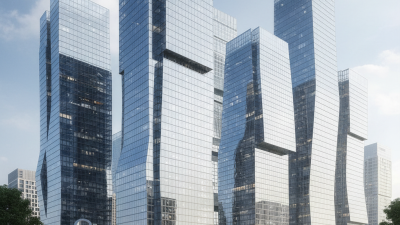
Moreover, High Reflective Glass enhances the visual appeal of structures. It creates sleek, modern facades that attract attention. However, it is essential to consider the potential drawbacks. For example, excessive reflection can lead to glare issues, impacting neighboring properties. Architects must balance aesthetics with practical implications carefully.
Ultimately, High Reflective Glass offers a blend of beauty and efficiency. Its reflective properties can transform a project while promoting sustainability. Choosing the right type of glass is not just about looks; it requires expertise and thoughtful planning.
Benefits of High Reflective Glass for Energy Efficiency in Buildings
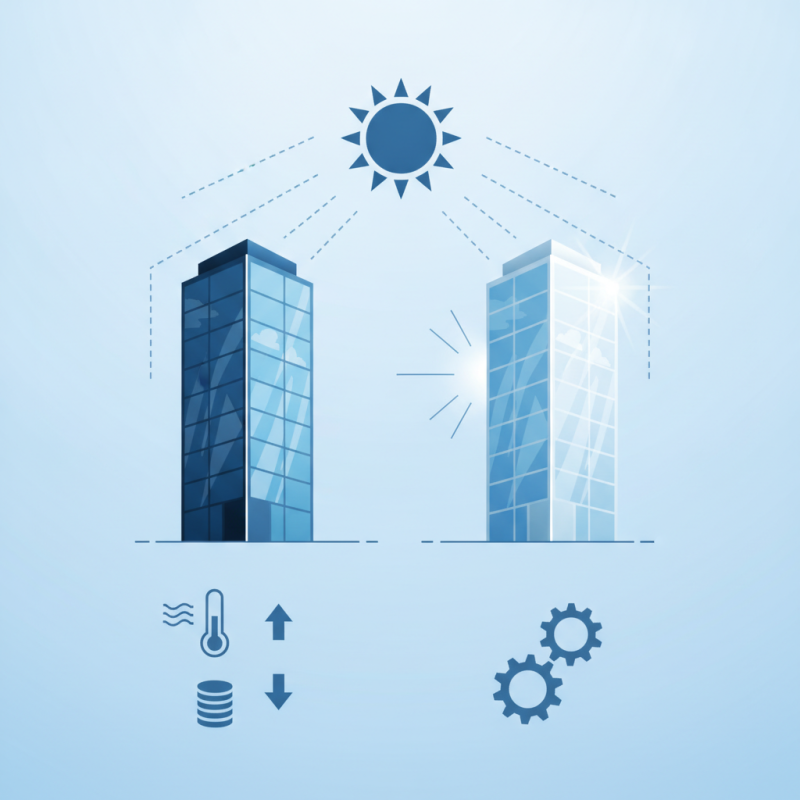
High reflective glass is becoming increasingly popular in modern architectural projects. This type of glass helps manage solar heat gain. It significantly improves energy efficiency in buildings. Natural light can penetrate while reflecting unwanted heat from the sun. This balance creates comfortable indoor environments.
Using high reflective glass can lead to substantial energy savings. Buildings remain cooler in summer, reducing air conditioning costs. The reduced heat load also leads to lower carbon emissions. Lower energy consumption contributes to sustainability efforts. However, it is not without challenges. Reflective glass can increase glare for nearby structures. It is crucial to consider the orientation of the building. Thoughtful design can mitigate these potential drawbacks.
Incorporating high reflective glass into a project reflects a commitment to efficiency. Architects and builders can create stunning designs while adhering to environmental goals. The aesthetic appeal is undeniable. Still, ongoing assessments are needed to ensure optimal performance. Awareness of the balance between design and practicality is essential in every project.
Impact of High Reflective Glass on Indoor Comfort and Temperature Regulation
High reflective glass plays a crucial role in temperature regulation within indoor spaces. By reflecting sunlight, it minimizes heat absorption. According to the American Society of Heating, Refrigerating and Air-Conditioning Engineers (ASHRAE), using high reflective glass can reduce cooling energy consumption by up to 30%. This statistic highlights the potential energy savings that can improve indoor comfort.
In addition, high reflective glass helps maintain a stable indoor temperature. During hot months, interiors remain cooler without sacrificing natural light. A study by the Lawrence Berkeley National Laboratory indicates that buildings equipped with high reflective surfaces experience up to 10% better thermal comfort. These temperature benefits contribute to increased productivity and overall well-being for occupants.
Tip: Consider the orientation of your building when selecting glass types. South and west-facing windows benefit the most from high reflective glass. This is where sunlight is strongest, and reflective properties can drastically reduce heat build-up.
Tip: Monitor interior lighting. High reflective surfaces may reduce the need for artificial light during the day. This can minimize energy costs and enhance the aesthetic appeal of spaces. However, balance it with glare considerations for a seamless experience.
Why Choose High Reflective Glass for Your Projects? - Impact of High Reflective Glass on Indoor Comfort and Temperature Regulation
| Aspect |
Description |
Impact |
| Light Transmission |
Allows optimal light levels while reducing glare. |
Improves visual comfort indoors. |
| UV Protection |
Blocks harmful UV rays, protecting furnishings and occupants. |
Enhances durability of interior materials. |
| Temperature Regulation |
Reduces heat gain from sunlight, maintaining cooler indoor temperatures. |
Lower energy costs for cooling. |
| Aesthetic Appeal |
Provides a sleek, modern look to buildings. |
Enhances property value and attractiveness. |
| Acoustic Performance |
Helps in reducing noise pollution from the outside. |
Increases indoor comfort and tranquility. |
Market Trends: Increasing Adoption of High Reflective Glass in Construction
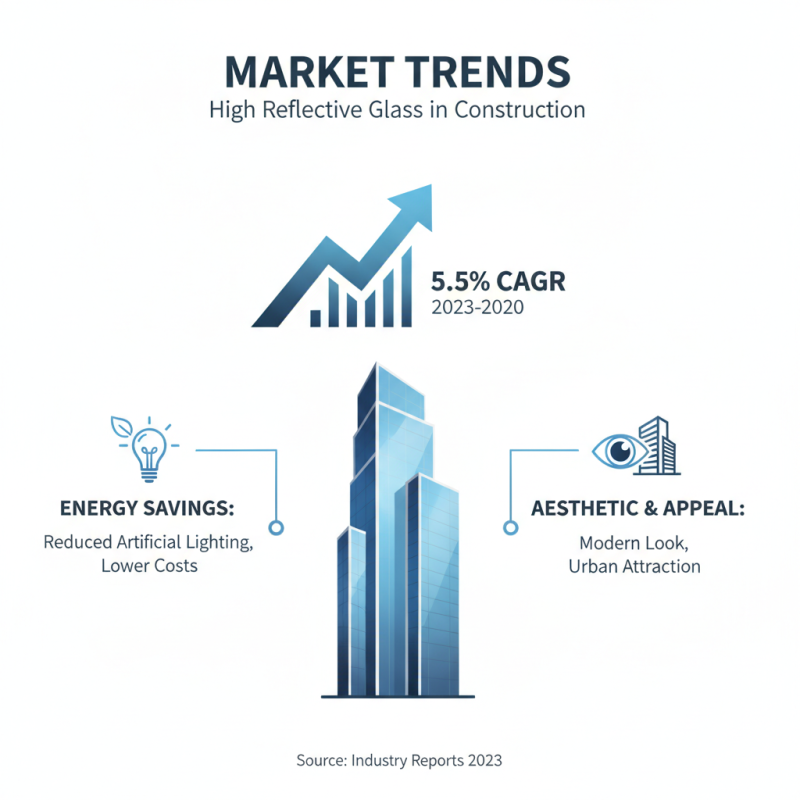
The construction industry is witnessing a pivot towards high reflective glass. Recent reports indicate that the market for reflective glass is projected to grow at a CAGR of 5.5% from 2023 to 2030. This trend stems from the material's energy-saving properties and aesthetic appeal. High reflective glass can significantly reduce the need for artificial lighting, cutting energy costs. Additionally, buildings equipped with this glass not only look modern but also attract attention in urban settings.
As architects and builders increasingly adopt sustainability practices, high reflective glass plays a pivotal role. According to industry research, 70% of construction professionals believe energy efficiency is critical for new projects. However, some worry about the initial costs of high reflective glass. The benefits, including lower long-term energy bills, often outweigh these concerns. Additionally, reflective glass can enhance the comfort of indoor spaces by regulating temperature and reducing glare.
Tip: When choosing high reflective glass, consider local climate conditions. In warmer climates, it can significantly cut air conditioning costs. Ensure that the installation meets building codes for safety and performance. Be mindful of potential overuse in regions with colder climates, as it may hinder passive solar heating. Balancing aesthetic and functional needs is essential for optimal results.
Comparative Analysis: High Reflective Glass vs. Traditional Glazing Options
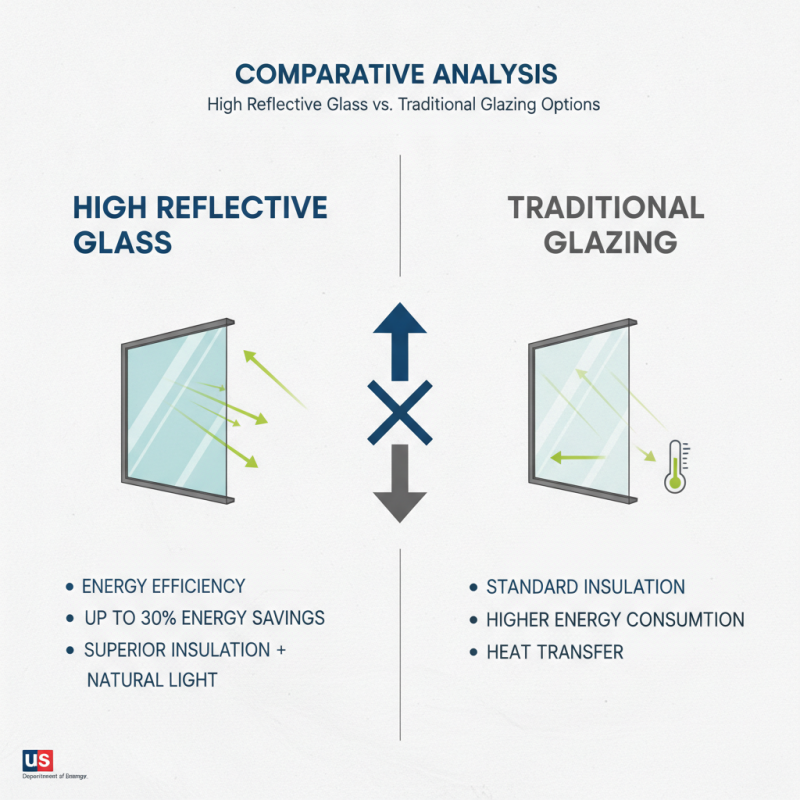
High reflective glass has been gaining traction in architectural design due to its superior energy efficiency. According to the U.S. Department of Energy, buildings can save up to 30% on energy costs by incorporating high reflective glass. This innovative glazing provides excellent insulation properties while still allowing natural light to permeate indoor spaces.
In contrast, traditional glazing options often fall short in performance. Standard glass can result in excessive heat gain, leading to higher air conditioning costs. A study from the National Renewable Energy Laboratory indicates that buildings using conventional glazing may experience up to 10% higher temperature fluctuations. Such inconsistencies can impact both comfort and energy use.
Some may question the sustainability of high reflective glass. Production methods can be resource-intensive, and not all reflective coatings are environmentally friendly. Reflecting on the long-term effects, it’s crucial to balance immediate benefits with the environmental impact. Understanding these nuances is essential for making informed decisions in modern construction.
Environmental Considerations: Sustainability in High Reflective Glass Manufacturing
High reflective glass is becoming a popular choice in construction, not only for its aesthetic appeal but also for its sustainable qualities. According to a recent report by the International Energy Agency (IEA), using reflective glass can reduce energy consumption in buildings by up to 30%. This significant reduction is crucial in a world where energy efficiency is a priority.
Manufacturing high reflective glass involves processes that aim to minimize environmental impact. Industry data indicates that modern techniques have reduced CO2 emissions by 50% compared to methods used a decade ago. However, the industry still faces challenges. The production of reflective coatings often involves chemicals that can be harmful. Thus, the shift toward eco-friendly alternatives is essential.
Recycling is another area where reflective glass excels. Reports suggest that approximately 90% of glass can be reclaimed and reused, contributing to a circular economy. Yet, not all facilities utilize this potential. Many still discard waste glass, undermining overall sustainability goals. Awareness and improvements in recycling practices are needed to enhance the environmental benefits of high reflective glass further.
Environmental Impact of High Reflective Glass Production
This chart illustrates the environmental impact of high reflective glass production, focusing on key metrics such as energy consumption, CO2 emissions, water usage, and the percentage of recycled material used in the manufacturing process. These factors are critical for assessing sustainability in construction and architectural projects.