How to Choose the Best Glareless Glass for Your Needs?
Choosing the best glareless glass for your specific needs involves understanding its various applications and qualities. A recent market report by Glass Insights highlights that glareless glass usage has increased by over 25% in architectural designs in the past year. Such glass is crucial for reducing eye strain, enhancing visual clarity, and improving safety in bright conditions.
Industry expert Dr. Laura Chen emphasizes the importance of selecting the right glareless glass: "The right choice can transform not just aesthetics, but functionality." Her insights reflect the growing awareness around glareless glass in both residential and commercial spaces. It's not just about aesthetics; it’s about creating environments that minimize discomfort.
However, some consumers may overlook factors like glass thickness and coating types. Misjudging these elements can lead to poor decisions. Reflecting on personal needs is essential. Glareless glass can significantly reduce glare from sunlight or artificial light. Exploration and understanding of personal requirements are vital in selecting the right product for maximum benefit.
Understanding Glare and Its Impact on Visual Comfort
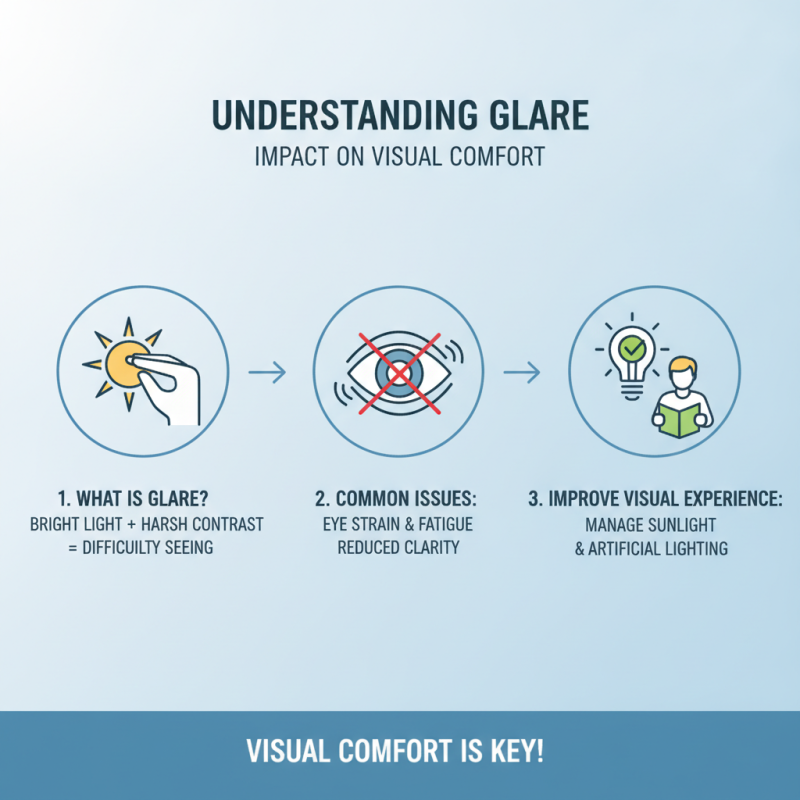
Glare is a common issue that affects visual comfort. It occurs when bright light creates a harsh contrast with the surroundings, making it difficult to see clearly. This discomfort can cause eye strain and fatigue, especially in environments with excessive sunlight or artificial lighting. Understanding glare is essential for those seeking to improve their visual experience.
Different types of glare exist, including discomfort glare and disabling glare. Discomfort glare can distract you, while disabling glare significantly reduces visibility. For example, when working on a computer near a window, bright sunlight can create disabling glare. This makes it tough to focus on your work. It's crucial to assess your specific environment to determine the level of glare present.
Choosing glareless glass involves more than just picking a product. You should consider factors like light sources and the layout of your space. Your choice should reflect both aesthetic appeal and functionality. In some cases, you may find that even the best glareless glass still requires a thoughtful arrangement of your furnishings or window treatments for optimal comfort. Recognizing these elements can guide you better in creating a visually serene environment.
Types of Glareless Glass: Choosing the Right Material for Your Needs
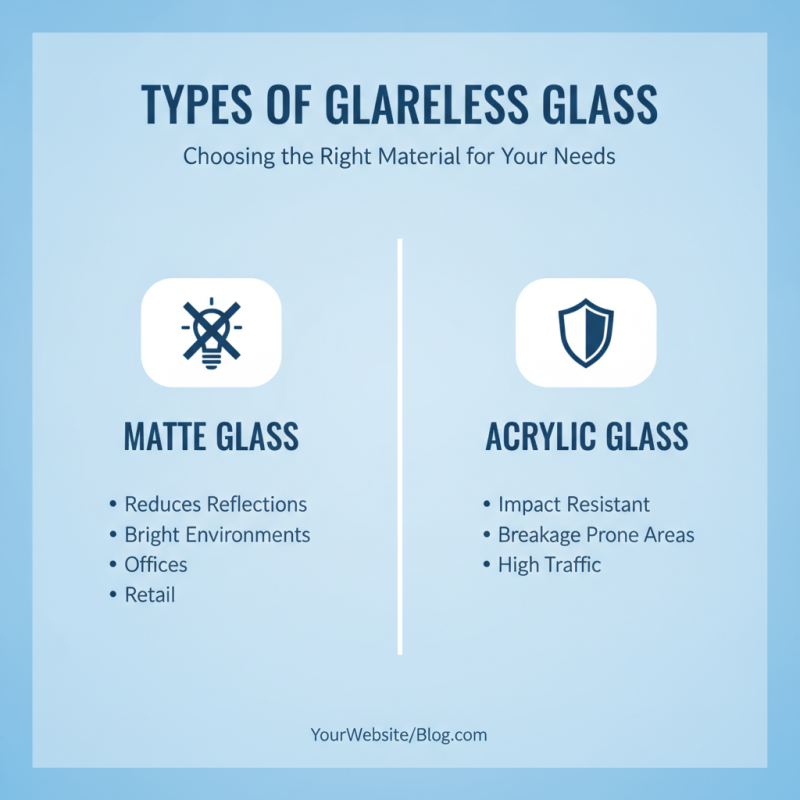
When selecting glareless glass, understanding the types available is crucial. Different materials serve distinct purposes. For instance, matte glass significantly reduces reflections. It works well in environments with bright lights, like offices or retail spaces. On the other hand, acrylic glass offers excellent impact resistance. This makes it suitable for areas prone to breakage or high traffic.
Another option is low-iron glass. It provides better clarity and lower glare compared to standard glass. This can be beneficial in displays or art installations. However, it's essential to consider the specific lighting conditions of your space. Each type has its pros and cons. For example, while matte glass minimizes glare, it may not be as durable as acrylic glass.
When making your choice, reflect on the aesthetics and functionality required. Your needs could change based on the room's purpose. Choosing glareless glass is not always straightforward. Evaluate how light interacts with materials. The right glass can enhance your environment while reducing discomfort.
Evaluating Light Transmission and Reflection Properties of Glass
When selecting glareless glass, understanding light transmission and reflection properties is crucial. Research indicates that glare can significantly reduce visibility. According to a study by the Glass Association, up to 40% of light can be reflected off standard glass surfaces. This reflection can create discomfort and hinder visibility in brightly lit environments.
The light transmission of glass refers to how much light passes through. Clear glass typically has around 90% transmission. However, glareless or low-reflection glasses can lower reflection rates to below 5%. This reduction enhances user comfort in various settings, from offices to residential homes. Notably, certain specialized coatings can further improve these properties. While costlier, they are often more effective in managing glare.
It is essential to consider how these features impact your specific needs. For instances requiring intense visual concentration, such as in studios or control rooms, glare reduction becomes critical. However, one might encounter trade-offs, such as a slight tint or lower natural light levels. Understanding these nuances allows for a more informed decision, ensuring the selected glass meets both aesthetic and functional demands.
Light Transmission and Reflection Properties of Glareless Glass
Important Industry Standards for Glare Reduction in Glass
Choosing glareless glass involves understanding key industry standards. These standards ensure that the glass effectively reduces glare and improves visibility. Different types of glareless glass are designed for various uses, from automotive to architecture.
The most important standard to consider is the Visible Light Transmission (VLT). A higher VLT allows more light while reducing glare. This helps maintain clarity in bright conditions. Another crucial factor is the Low-Reflectance Coating, which minimizes reflections. This coating is vital for homes or offices with large windows. Ensure you check the light reflectance values before selecting your glass.
Balancing glare reduction and clarity can be challenging. Some materials may seem glareless but can distort colors. Testing samples in your environment might reveal discrepancies. Make informed choices by prioritizing reliable sources and expert reviews. The goal is to achieve suitable glare reduction for your specific needs.
How to Choose the Best Glareless Glass for Your Needs? - Important Industry Standards for Glare Reduction in Glass
| Glass Type |
Glare Reduction Percentage |
UV Protection |
Industry Standard |
| Anti-Reflective Glass |
80% |
Yes |
ASTM D1003 |
| Frosted Glass |
60% |
Yes |
ISO 9050 |
| Tinted Glass |
50% |
Yes |
BS EN 12320 |
| Laminated Glass |
70% |
Yes |
ASTM C1172 |
| Reflective Glass |
75% |
No |
ANSI Z97.1 |
Cost-Benefit Analysis of Glareless Glass Options for Various Applications
Choosing glareless glass is crucial for different applications. A cost-benefit analysis can help you make an informed decision. According to recent industry reports, glareless glass options can reduce eye strain by up to 70% in residential settings. This dramatic improvement is essential for gaming, reading, and working on screens.
Investing in glareless glass can be worthwhile. A study by the Optical Society found that 60% of individuals reported fewer headaches when using glare-reducing materials. While the initial cost may be higher, the long-term benefits, such as increased comfort and productivity, usually outweigh the investment.
When selecting glareless glass, consider factors like thickness and coating. Thicker glass can remarkably enhance durability. However, it may also increase the overall weight. Compare various options to find the best fit. This can help avoid unexpected expenses down the line. Think critically about the specific needs for your space or project, as not all glareless options suit every environment.