Best Scratch Resistant Glass Solutions for Global Buyers?
In today's competitive market, the demand for Scratch Resistant Glass is significantly increasing. According to a recent report by industry leader Glass Research Group, the global market for this specialty glass is projected to grow at a CAGR of 7.5% through 2028. This growth is driven by various applications, including electronics, automotive, and architectural sectors. Buyers globally seek high-quality solutions that offer durability and performance.
Expert in the field, Dr. Emily Roberts, emphasizes the importance of innovation. She states, "The future of Scratch Resistant Glass lies in adaptive technology and sustainable materials." This insight highlights the need for manufacturers to improve their offerings continuously. Many products still have issues with scratches, impacting consumer satisfaction.
Consumers should be aware that not all Scratch Resistant Glass is created equal. Cheaper alternatives may promise protection but often fail in real-world situations. Investing in top-tier solutions, backed by research and warranty, can alleviate this concern. Nevertheless, sourcing the right product can be a challenge amid misleading marketing. A critical eye and informed decision-making are essential for all global buyers.
Overview of Scratch Resistant Glass and Its Importance
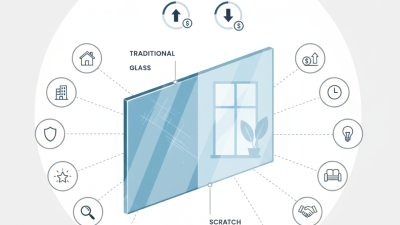
Scratch resistant glass has become an essential material in various industries. Its ability to withstand everyday wear and tear makes it popular. This material protects surfaces from scratches, which can compromise their integrity and appearance. In sectors like electronics and automotive, using scratch resistant glass enhances the durability of products significantly.
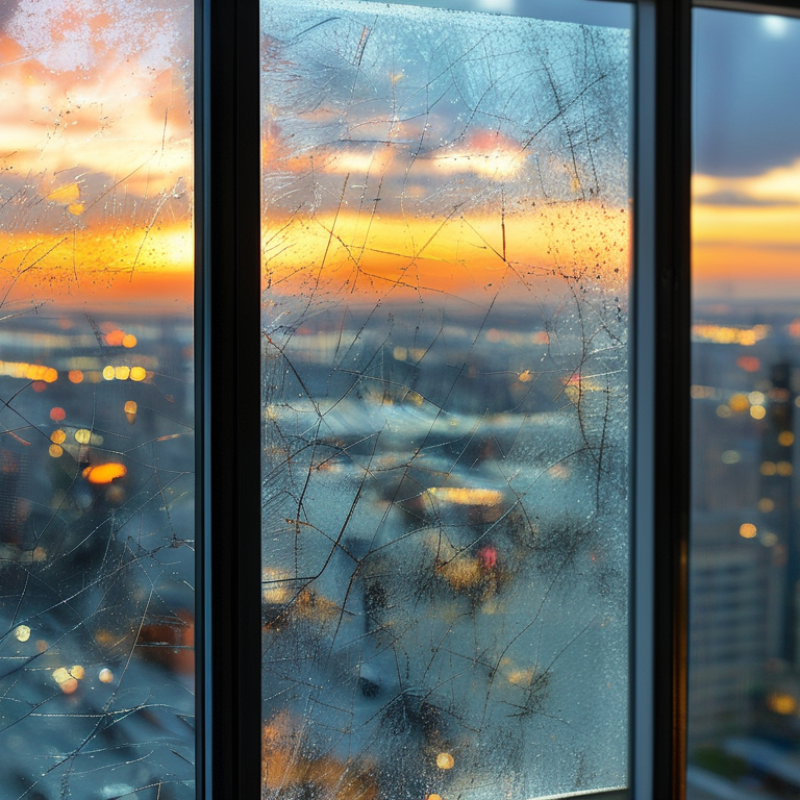
The importance of scratch resistant glass lies in its ability to maintain clarity and aesthetics. For consumers, this translates to longer-lasting products that require less maintenance. The reduction in visible scratches helps in retaining the visual appeal of items such as smartphone screens or car windows. However, not all scratch resistant glass is created equal. Some options may provide surface protection but may still be vulnerable under extreme conditions.
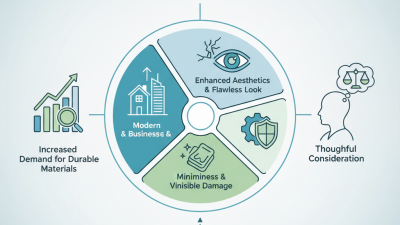
Choosing the right solution requires careful consideration. Buyers must focus on the specific needs of their applications. They should evaluate factors such as thickness, treatment processes, and environmental conditions. A lack of understanding can lead to suboptimal choices. Ultimately, the right selection of scratch resistant glass supports both functionality and product longevity.
Types of Scratch Resistant Glass Solutions Available Globally
When exploring scratch-resistant glass solutions, several types stand out globally. These options cater to diverse needs. Tempered glass is renowned for its safety and durability. It undergoes a heating and cooling process that enhances strength. This makes it less prone to scratches and impact damage. Many industries favor it for windows and facades.
Another popular choice is chemically strengthened glass. This glass is treated with specific chemicals to increase its hardness. It excels in both scratch resistance and optical clarity. Manufacturers often use it in mobile device screens and tablets. However, the production process can be resource-intensive, raising sustainability concerns.
Nanocoated glass has emerged as a modern solution. A thin layer of nanoparticles is applied to the surface, enhancing its scratch resistance. This technology allows for high transparency while protecting against daily wear. But, results can vary depending on environmental factors and usage. Users must weigh the benefits against potential maintenance issues. Each glass type offers unique advantages, but imperfections exist. Exploring options with care is essential.
Key Manufacturers and Their Offerings in Scratch Resistant Glass
In the search for scratch-resistant glass, global buyers encounter a variety of manufacturers focused on innovative offerings. These companies invest heavily in research and development to enhance durability, ensuring their products meet the rising demand for resilience. Their solutions often feature advanced coatings that provide extra protection against abrasion and impact.
Several key manufacturers provide specialized scratch-resistant glass tailored for different applications. Some focus on architectural uses, producing large panels that withstand environmental challenges. Others cater to the electronics market, offering smaller components that protect sensitive screens. Each manufacturer has unique methods and technologies, reflecting varying degrees of expertise and reliability in the market.
However, not all solutions are equal. Many products promise high resistance but may falter under specific conditions. Buyers should remain cautious and seek verification of claims through independent testing. It's crucial to analyze unique needs to avoid disappointment. Balancing price and quality can also be tricky in this competitive space. The journey in finding the right solution often leads to unexpected questions and considerations.
Best Scratch Resistant Glass Solutions for Global Buyers
| Manufacturer Region |
Glass Type |
Scratch Resistance Rating |
Applications |
Special Features |
| North America |
Tempered Glass |
5H |
Smartphones, Tablets |
Anti-reflective Coating |
| Europe |
Gorilla Glass |
6H |
Wearable Devices, Laptops |
High Durability |
| Asia |
Sapphire Glass |
9H |
Luxury Watches, High-end Phones |
Optical Clarity |
| South America |
Chemically Strengthened Glass |
4H |
Automobile Screens, Industrial Applications |
Lightweight and Flexible |
| Africa |
Laminate Glass |
3H |
Safety Glass, Display Cases |
Impact Resistant |
Factors to Consider When Choosing Scratch Resistant Glass
When selecting scratch-resistant glass, buyers should consider various critical factors. The hardness of the glass material is paramount. Materials like tempered glass or specialized ceramics often offer higher scratch resistance. According to a recent industry report, tempered glass can reach a hardness of 9 on the Mohs scale, significantly enhancing its durability against scratches.
Moreover, coating technology plays a vital role in glass protection. Anti-scratch coatings can enhance the surface resistance, extending the lifespan of glass products. Reports indicate that coated glass surfaces can be up to 30% more resistant to scratches compared to uncoated alternatives. However, the application of these coatings requires precision, and improper installation can lead to issues over time.
Another aspect to consider is the intended use of the glass. Glass used in high-traffic areas or environments with harsh conditions needs different specifications. For instance, a display case in a retail setting may require more scratch resistance than bathroom mirrors. Effective evaluation of these factors can prevent costly replacements and ensure long-term satisfaction with the glass products.
Best Scratch Resistant Glass Solutions for Global Buyers
This bar chart compares the scratch resistance ratings of various glass solutions. Ratings are on a scale from 1 to 10, with higher ratings indicating better scratch resistance. When selecting a scratch resistant glass, consider factors such as durability, application, and cost-effectiveness.
Market Trends and Future Prospects in Scratch Resistant Glass Industry
The scratch-resistant glass industry is experiencing notable growth. This trend reflects a rising demand across various sectors, including electronics, automotive, and architecture. More buyers seek durable and long-lasting glass solutions. The material's ability to withstand scratches enhances product longevity. This has increased its appeal to manufacturers and consumers alike.
One important trend is the development of advanced coatings. These coatings greatly enhance the scratch resistance of glass. Considerations for durability and aesthetics are intertwined in this innovation. Buyers should be aware of the various coating technologies available. Each offers unique advantages suited for different applications.
Tips: When selecting scratch-resistant glass, consider your specific needs. Think about where the glass will be used most frequently. Make sure to evaluate potential maintenance requirements as well. Additionally, consult with experts on the latest materials. Insights can guide you in making informed decisions for your projects.