Best Scratch Resistant Glass for Your Needs in 2026?
The demand for Scratch Resistant Glass is rising as consumers seek durable solutions across various industries. In 2026, experts project a 15% annual growth in the market due to increasing applications in electronics, automotive, and architecture. According to Dr. Emily Carter, a leading figure in glass technology, “The evolution of Scratch Resistant Glass technology is pivotal for enhancing product longevity.”
This type of glass is engineered to withstand abrasions, ensuring clarity and durability. However, not all solutions meet the same standards. A detailed analysis suggests that while some manufacturers claim high scratch resistance, their products may not always live up to expectations. It’s essential to investigate the specific technologies employed in these products.
Choosing the right Scratch Resistant Glass requires careful consideration of performance metrics and testing results. Understanding these factors can greatly influence decision-making in purchasing. As the market evolves, so does the challenge of distinguishing between genuine advancements and mere marketing claims. Awareness and critical evaluation remain paramount for achieving reliable outcomes.
Understanding Scratch Resistance in Glass Materials
When it comes to glass materials, scratch resistance is a critical factor. In various industries, including automotive and electronics, scratch-resistant glass can greatly enhance product longevity. According to a 2023 report by the Glass Research Institute, materials such as tempered and chemically strengthened glass offer improved scratch resistance compared to standard glass. This makes them suitable for high-use environments.
Understanding the different levels of scratch resistance in glass is key. The Mohs hardness scale, which ranges from 1 to 10, highlights that most commercial glass falls between 5 and 6. However, materials like sapphire glass, often used in luxury watches, rate at 9. The improved scratch resistance is linked to the manufacturing process, which can include treatments that alter the surface structure. An important point to consider is that even the most scratch-resistant materials can still get damaged under extreme conditions.
Not all glass is equally effective against scratches. Acrylic glass, though lightweight and shatter-resistant, can scratch more easily. Many consumers overlook this when selecting materials for their projects. Addressing these concerns requires careful consideration of the application and user habits. It's essential to balance aesthetics and functionality, ensuring the best choice for each specific need.
Types of Scratch Resistant Glass Available in 2026
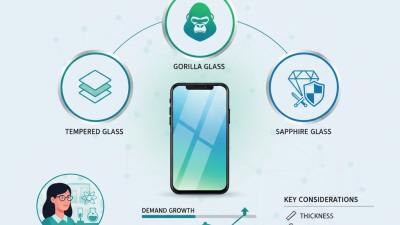
In 2026, the demand for scratch-resistant glass is soaring. Various options are available, each with unique features. One popular type is tempered glass.
This glass undergoes a special heating process, making it much tougher. It can resist scratches and minor impacts. However, it may still shatter under significant pressure. This is a critical factor when considering its use.
Another common option is laminated glass.
It consists of two panes of glass with a plastic interlayer. This design offers excellent scratch resistance and prevents shattering. If broken, the glass tends to stay intact. However, cleaning this type involves some effort. The interlayer can attract dust and fingerprints.
A newer trend is sapphire glass. Known for its hardness, it can withstand scratches from almost any material. It’s used in high-end applications like smartphone screens. Still, it’s more expensive than other options and less available. In the end, the choice depends on your specific needs and budget. Factors like application and setting must guide your decision.
Comparison of Scratch Resistant Glass Brands and Technologies
When choosing scratch resistant glass, consider various brands and technologies. Many options exist, each with its unique features and benefits. Some products utilize specialized coatings that enhance durability. Others may incorporate innovative materials that provide better scratch resistance. It's essential to evaluate what fits best for your specific needs.
Each brand claims its glass is the best. However, it's important to scrutinize peer reviews and expert opinions. Not every product lives up to its marketing promises. Look for transparency about testing methods and performance standards. Research claims can sometimes be misleading, so gather comprehensive information.
Tips for selecting the right glass: Assess the environment where the glass will be used. Will it face regular wear and tear? Check for warranties and guarantees offered by manufacturers. They can indicate the brand's confidence in their product. Keep in mind, though, that even the toughest glass can show imperfections over time. Regular maintenance can help preserve clarity and resistance.
Factors to Consider When Choosing Scratch Resistant Glass
When selecting scratch-resistant glass, several key factors demand attention. Firstly, understanding the type of coating is crucial. Anti-scratch coatings can vary widely. Some offer enhanced durability, while others may not last as long. Look for details about the scratch-resistant technology used in manufacturing the glass.
Think about the glass thickness as well. Thicker glass generally provides better resistance to scratches. However, it may also add weight and cost. Consider how these factors align with your specific needs. The intended use of the glass—whether for a smartphone screen, eyewear, or architectural installations—can greatly influence your decision.
Another important aspect is user feedback. Reviews and experiences from others can reveal the practical strengths and weaknesses of various options. It’s easy to overlook these insights. Sometimes, what seems perfect on paper may not perform as expected in real-life scenarios. Investigating these nuances will help you make a more informed decision.
Scratch Resistant Glass Durability Comparison for 2026
In this chart, we compare the scratch resistance levels of different types of glass materials commonly used in various applications in 2026. The values are based on standardized testing methods to evaluate the durability and resistance to scratches over time.
Future Trends in Scratch Resistant Glass Development
As we move towards 2026, the demand for scratch-resistant glass is set to evolve significantly. New materials and technologies are being explored for enhanced durability and clarity. Emerging trends suggest a focus on nanotechnology, which manipulates materials at a molecular level. This could lead to glass that resists scratches while maintaining transparency, essential for everyday use in devices and architecture.
Moreover, the integration of coatings designed for toughness is gaining traction. These coatings, although promising, may not be foolproof. Some users report that while they enhance protection, they can alter the aesthetic appeal of the glass. Consumers will need to weigh functionality against visual quality. Additionally, sustainability concerns are driving innovations. Manufacturers are seeking eco-friendly materials that perform well but still require rigorous testing for durability.
Addressing these advancements is crucial. Understanding the balance between scratch resistance and other features is vital. While new options are exciting, not all developments will meet user expectations. The future of scratch-resistant glass offers much potential, yet it also presents challenges. Continuous research and public feedback will be necessary for ensuring that consumer needs are truly met.