Top 10 Full Screen Glass Trends You Need to Know?
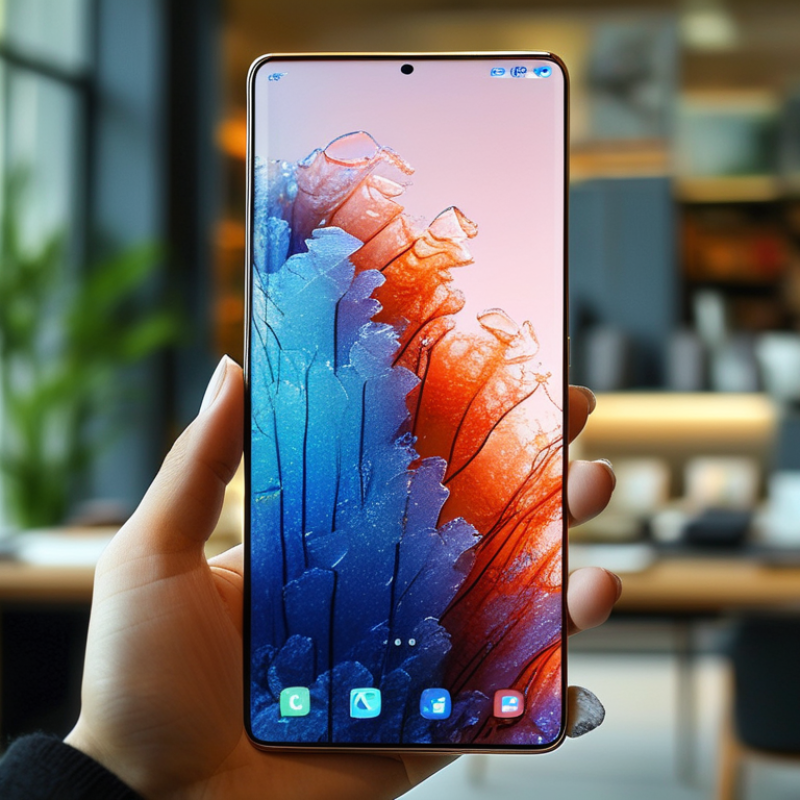
The rise of Full Screen Glass in modern design is undeniable. This trend is shaping how we interact with technology and our environments. Full Screen Glass devices offer a sleek aesthetic and enhanced user experience. They blend elegance with functionality.
As we explore the top ten trends in Full Screen Glass, it’s important to note the evolution of materials and design processes. Brands showcase innovative ways to integrate this glass into devices. However, there are challenges in durability and repairability that warrant attention.
Consumers are increasingly drawn to the beauty of Full Screen Glass, yet many may not consider the long-term implications. Is the allure worth the potential issues? Understanding the balance between design and practicality is essential for making informed choices. Embrace the beauty of Full Screen Glass, but be mindful of its complexities.
Emerging Innovations in Full Screen Glass Designs
The design of full screen glass is evolving rapidly. Emerging innovations are transforming how we perceive and interact with displays. New materials are being developed to enhance durability while maintaining aesthetic appeal. For instance, anti-reflective coatings minimize glare, making screens more comfortable to use in bright environments.
Another trend involves the integration of smart technology within full screen glass. Touch-sensitive surfaces are becoming more responsive, allowing users to enjoy seamless navigation. Transparency and flexibility are also on the rise, enabling unique applications. Imagine bending a screen for different viewing angles. This opens up exciting design possibilities.
Yet, as the industry advances, challenges remain. Not all innovations have been user-tested extensively. Some designs may face issues with longevity or performance under stress. It’s crucial to weigh the benefits against potential drawbacks. Design choices should prioritize both aesthetics and functionality, ensuring that users feel secure in their investments.
Sustainability in Full Screen Glass Materials and Production
Sustainability in full screen glass materials and production is gaining significance. Many manufacturers are now focusing on eco-friendly options. They aim to reduce waste and energy consumption during production. This is vital as the glass industry is known for its high resource use. Recycling glass reduces the need for raw materials. It also cuts down on the energy needed for melting.
One approach is using recycled glass cullet. This raw material requires less energy and has a lower carbon footprint. However, not all glass can easily be recycled. The process can sometimes lead to impurities. This can affect the quality of the final product. Companies are beginning to address these issues. They are investing in innovation to improve recycling processes.
Another trend is the use of sustainable raw materials. Some producers explore alternatives to traditional silica sand. These materials can provide similar performance while being more environmentally friendly. This shift can be challenging. The industry must balance material integrity with sustainability goals. While progress is being made, there is still room for improvement. The future of full screen glass hinges on these challenges and opportunities.
Top 10 Full Screen Glass Trends You Need to Know
| Trend |
Description |
Sustainability Aspect |
Usage in Industry |
| Recycled Glass |
Incorporating recycled materials in glass production. |
Reduces waste and energy consumption. |
Architecture and construction. |
| Smart Glass |
Glass that can change its properties with electricity. |
Enhances energy efficiency in buildings. |
Residential and commercial buildings. |
| Low-E Coatings |
Low emissivity coatings to improve insulation. |
Reduces heating and cooling costs. |
Windows and facades. |
| Solar Glass |
Glass integrated with solar cells. |
Generates renewable energy. |
Building-integrated photovoltaics. |
| Bamboo Glass |
Glass made from natural bamboo fibers. |
Biodegradable components. |
Sustainable product design. |
| Self-Cleaning Glass |
Coated to repel dirt and grime. |
Reduces maintenance and water use. |
Commercial properties and homes. |
| Thermal Glass |
Enhanced thermal insulation properties. |
Improves energy efficiency in structures. |
Building and construction. |
| Acoustic Glass |
Reduces noise pollution. |
Improves urban living conditions. |
Homes and urban buildings. |
| 3D Printed Glass |
Innovative approach to glass design. |
Minimizes waste in manufacturing. |
Art installations and customized architecture. |
User Experience Enhancements in Full Screen Glass Technology
The rise of full screen glass technology has transformed user interface design. This trend enhances the visual appeal and functionality of devices. The seamless integration of glass brings a modern touch to electronics. Touch responsiveness is improved, making interactions smoother. However, this also raises questions about durability and glare. Users may find some full screen designs too reflective in bright light.
Tips: Choose devices with anti-reflective coatings. It enhances visibility in various lighting conditions.
Another important aspect is the weight of the devices. Full screen glass can make products heavier than expected. Users often prefer lightweight devices for portability. It's crucial to find a balance between aesthetics and practical use. Some users report that even slight weight increases can affect the overall experience.
Tips: Prioritize ergonomics when selecting full screen devices. Comfort matters during extended use.
One must also consider the challenges in repairability. Full glass surfaces can complicate repairs. If there’s a crack, the whole screen might need replacement. This affects sustainability. A critical evaluation of long-term implications is necessary.
Tips: Look for warranty options that cover screen damage. It can save costs in the long run.
Trends in Full Screen Glass for Smart Devices and Home Automation
Full screen glass is transforming smart devices and home automation. According to recent industry reports, the global smart home market is expected to reach $174 billion by 2025. Full screen glass creates a seamless user experience, enhancing both aesthetics and functionality. This trend emphasizes minimalism, offering sleek designs that blend into modern homes.
One notable trend is the integration of touch-sensitive glass technology. This allows users to control devices with simple gestures. In a recent survey, 72% of consumers preferred touch interfaces over physical buttons. However, these devices can sometimes feel less responsive than expected. Additionally, the weight and fragility of glass introduce potential concerns in everyday use.
When considering full screen glass for home automation, think about climate control. Glass can impact energy efficiency. Incorporating smart glass solutions can help regulate temperature and light. Sometimes, these advanced materials need regular maintenance, which can be overlooked. Remember to evaluate the balance between style and durability.
**Tips:**
- Research different glass treatments that can enhance functionality.
- Consider the long-term costs of installation and maintenance.
Top 10 Full Screen Glass Trends for Smart Devices and Home Automation
The following chart illustrates the popularity of various trends in full screen glass technology for smart devices and home automation as of 2023. The data represents the percentage of adoption or interest in each trend among consumers and manufacturers.
Aesthetic Trends Influencing Full Screen Glass Applications
The rise of full-screen glass applications is significantly shaped by aesthetic trends. Clear, seamless designs are becoming increasingly popular. Homeowners and businesses alike prefer sleek appearances. This trend enhances the visual appeal of structures. It merges function with style, creating an inviting atmosphere.
Sustainability also influences choices in materials and designs. Consumers are more conscious of eco-friendly options. These choices are not just functional but also add elegance. Transparency in materials helps achieve a minimalistic look. However, not all glass is created equal; some options may lack durability. This raises questions about longevity and maintenance.
Lastly, custom shapes and sizes are gaining traction. Unique designs add personality to spaces. Yet, this customization can lead to unexpected challenges in installation. It’s essential to balance design with practicality. As trends evolve, the demand for innovative solutions continues to grow. Keeping up with these changes requires careful consideration and expertise.