The Best 10 Scratch Resistant Glass Options for Your Home and Office?
Choosing the right materials for your home or office is crucial. One option that stands out is Scratch Resistant Glass. This innovative glass type offers excellent durability while maintaining elegance. It is designed to withstand wear and tear, making it ideal for high-traffic areas.
When considering Scratch Resistant Glass, it's essential to explore various options available in the market. Some products claim to be scratch-proof, but that may not always be true. Not all scratch-resistant features are the same; some are more effective than others. It’s vital to understand the specifications and intended use of each type before making a decision.
Moreover, the installation and care of this glass can impact its longevity. Improper handling might diminish its protective qualities. Engaging with reputable suppliers can help you choose the best option for your needs. In a world where aesthetics and functionality matter, Scratch Resistant Glass proves to be a valuable investment, enhancing the beauty and practicality of your spaces.

Understanding Scratch Resistant Glass: A Brief Overview
Scratch resistant glass is a popular choice for homes and offices. Its resistance to scratches enhances durability and maintains aesthetics over time. A study from Glass Magazine highlights that scratch resistant coatings can improve scratch hardness by up to 50%. This is significant for high-traffic areas, where wear and tear can be noticeable.
While many might expect that all scratch resistant glass performs equally, this isn't the case. The effectiveness of these coatings can vary widely. In some instances, over time, certain products do not deliver on their initial promises. Users may find that despite their claims, scratches still occur, compromising both appearance and functionality. Regular maintenance and understanding the limitations of each option become critical.
Choosing the right type of scratch resistant glass requires careful consideration. Industry reports emphasize the importance of testing under real-world conditions. Some options might excel in laboratory tests but fall short when used in everyday environments. Therefore, evaluating user feedback and durability experiences can provide deeper insights. Understanding these nuances helps in making informed decisions for both aesthetic and practical needs.
The Best 10 Scratch Resistant Glass Options for Your Home and Office
| Glass Type |
Durability Rating |
Thickness (mm) |
Ideal Use |
| Tempered Glass |
High |
4-12 |
Windows, Shower Doors |
| Laminated Glass |
Very High |
6-20 |
Skylights, Railings |
| Ceramic-Fused Glass |
Extremely High |
6-10 |
Countertops, Cooktops |
| Ultra Clear Glass |
Moderate |
4-8 |
Display Cases, Windows |
| Low-iron Glass |
High |
6-12 |
Windows, Facades |
| Bulletproof Glass |
Very High |
20-50 |
Security Applications |
| Frosted Glass |
Moderate |
4-8 |
Partitions, Privacy Screens |
| Annealed Glass |
Low |
4-12 |
Decorative Items |
| Heat-Resistant Glass |
High |
4-6 |
Ovens, Furnaces |
Key Features to Look for in Scratch Resistant Glass
When choosing scratch-resistant glass for your home or office, several key features significantly enhance durability. Look for tempered or laminated glass. Tempered glass is heat-treated, making it much tougher. Laminated glass consists of layers, which helps prevent shattering. This added strength can bring peace of mind in environments with high activity.
Also, consider the thickness of the glass. Thicker glass typically offers improved resistance to scratches and impacts. Be mindful of the surface finish; frosted or matte finishes can hide scratches better than clear glass. Many professionals recommend coatings that enhance scratch resistance. These treatments can add to longevity but may require periodic maintenance.
It’s important to reflect on the potential downsides of choosing high-end glass. While it provides excellent scratch resistance, the installation process might be more complex. Improper fitting can lead to issues later on. Also, consider the overall aesthetic. Some options may not match your desired décor style. Balancing durability with design is crucial for a satisfying choice.
The Best 10 Scratch Resistant Glass Options for Your Home and Office
This chart illustrates the scratch resistance ratings of various glass options for home and office use. A higher rating indicates better scratch resistance, which is an essential feature to consider when selecting the right type of glass for your needs.
Top 10 Scratch Resistant Glass Options for Home Usage
When selecting scratch-resistant glass for home usage, various options can enhance durability and style. Clear glass offers a sleek appearance, ideal for tabletops and windows. For those seeking more protection, laminated glass is a sturdy choice. It combines layers, which helps resist scratches better than regular glass.
Another great option is tempered glass. This type undergoes intense heat treatment, making it tough against impacts and scratches. While it is highly durable, accidental drops or collisions can still cause cracks. One might also consider etched glass, which can hide minor scratches. The design adds character but may require polishing to maintain its appeal.
When evaluating these options, consider your specific needs. High-traffic areas require tougher materials. However, even the best glass can sustain wear over time. Regular maintenance, such as cleaning with the right solutions, helps maintain its scratch-resistant properties. Observing these details can help in making an informed decision.
Top 10 Scratch Resistant Glass Options for Office Environments
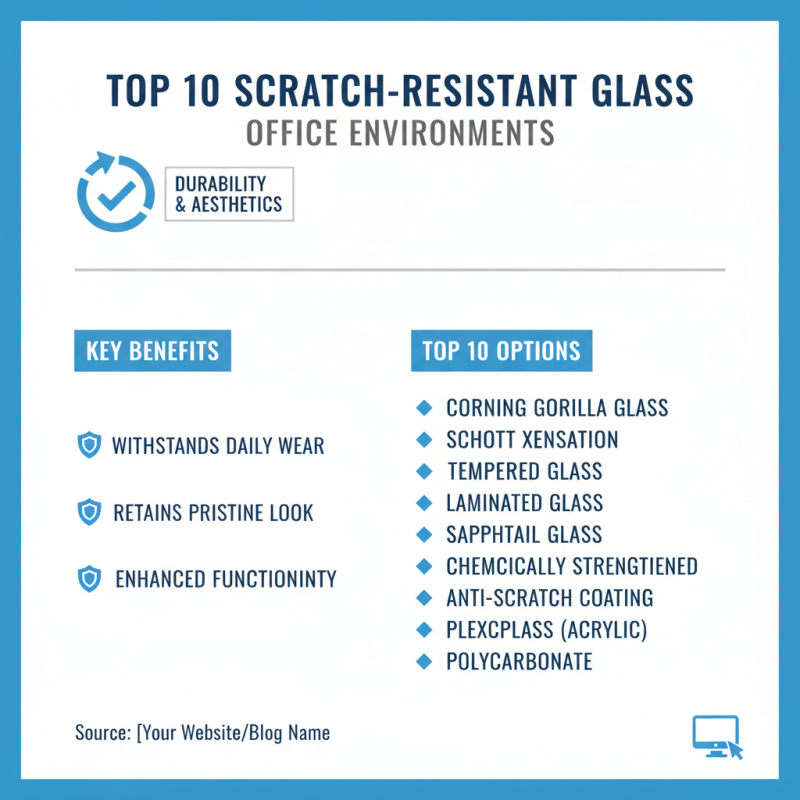
When choosing scratch-resistant glass for office environments, durability and aesthetics are key. Many professionals demand materials that withstand daily wear and tear. This ensures that glass surfaces remain pristine, enhancing both appearance and functionality.
Consider tempered glass options. They are a popular choice because of their strength. This type of glass can resist impact and prevent scratches from office equipment. Moreover, the clarity they offer can create an inviting atmosphere. Another good option is laminated glass, which combines two layers for added durability, reducing noise while enhancing safety.
It’s important to assess your specific needs. While some scratch-resistant glasses perform excellently in high-traffic areas, others may not. You might find that certain finishes or coatings can enhance resistance but may require more care during installation. Researching these factors helps create an effective workspace. Don't forget to factor in the design. The right scratch-resistant glass can accentuate your office's decor while serving its practical purpose.
Maintenance Tips for Extending the Life of Scratch Resistant Glass
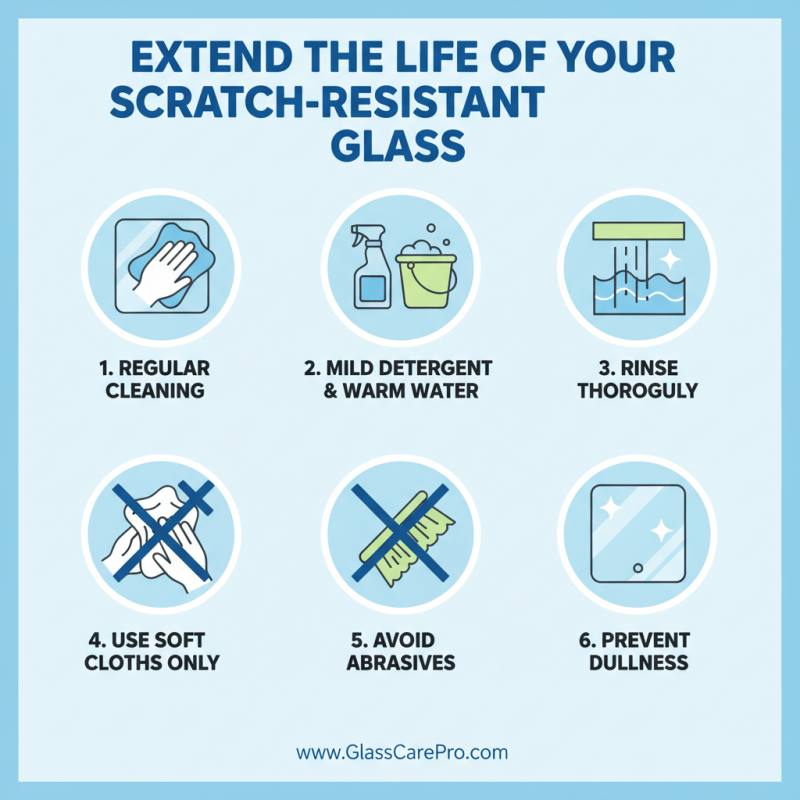
Maintaining scratch-resistant glass requires proper care to extend its lifespan. Regular cleaning is essential. Use a soft microfiber cloth to wipe away dust and dirt. Avoid abrasive materials that can scratch the surface over time. For a deeper clean, warm water mixed with a mild detergent can work wonders. Rinsing thoroughly ensures no residue is left behind, which can dull the glass.
When it comes to placement, be mindful of the surroundings. Identify high-traffic areas where impacts may occur. Placing mats or soft furnishings in these spots can shield the glass from potential scratches. Additionally, consider the installation of protective films that can absorb shocks without compromising visibility.
Humidity and extreme temperatures can affect your glass's durability. Maintain a stable indoor climate to reduce stress on the material. Regular inspections for any scratches or damage can help you address issues early, preventing more significant problems in the future. It's okay to feel overwhelmed by the upkeep, but small, consistent actions will make a big difference.