Top 10 Benefits of Heat Protection Glass for Your Business?
In today's fast-paced business world, "Heat Protection Glass" has become a crucial asset. Experts like Dr. Emily Carter, a leading figure in glass technology, highlight its importance. She once stated, "Heat Protection Glass can significantly reduce energy costs while enhancing comfort." This insight reflects an undeniable reality.
Businesses are always seeking ways to improve efficiency. Heat Protection Glass serves not only as a barrier against unwanted heat but also boosts aesthetics. Imagine a retail space where customers feel comfortable, leading to longer stays and increased sales. This innovation extends beyond comfort. It provides sound insulation, privacy, and safety, making it a multi-functional choice.
Despite its benefits, some may perceive the initial investment as high. Yet, the long-term savings on energy and HVAC repairs make it worth considering. Business owners should reflect on their current glass solutions. Are they truly protecting their assets and enhancing the workplace? The right choice in Heat Protection Glass could unlock hidden potential for growth and productivity.
Key Advantages of Heat Protection Glass for Commercial Use
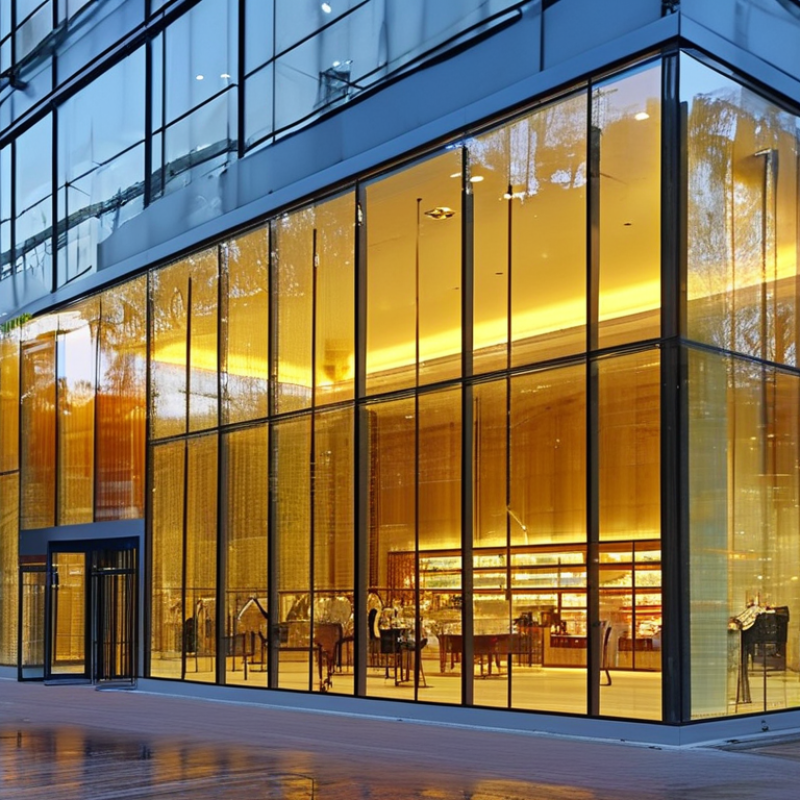
Heat protection glass offers significant advantages for commercial use. One major benefit is energy efficiency. According to the U.S. Department of Energy, buildings can lose up to 30% of heating and cooling efforts due to ineffective windows. Heat protection glass reflects solar energy, reducing reliance on heating and cooling systems. This can lead to lower energy bills, giving businesses a cost-effective solution.
In addition, heat protection glass enhances occupant comfort. Studies show that employees perform better in environments with consistent temperatures. When interior temperatures are regulated, distractions from excessive heat are minimized. A more comfortable workspace contributes to higher productivity and lower absenteeism. Furthermore, a report published by the World Green Building Council highlights that improved thermal comfort can increase worker satisfaction, leading to a more engaged workforce.
Lastly, heat protection glass can prolong the lifespan of furnishings and equipment. Excessive heat can cause damage to electronic devices and furniture. A survey by the American Society of Interior Designers suggests that buildings equipped with heat-resistant features have fewer maintenance issues. Choosing heat protection glass is not just a smart investment; it can elevate business operations and create a more sustainable future. However, consideration of proper installation and local climate factors is essential for maximizing these benefits.
Top 10 Benefits of Heat Protection Glass for Your Business
Enhanced Energy Efficiency in Businesses with Heat Protection Glass
Heat protection glass can significantly enhance energy efficiency in businesses. By reducing heat gain from sunlight, it helps maintain a comfortable indoor climate. This leads to lower reliance on air conditioning systems. As a result, businesses can reduce energy consumption. A cooler environment also boosts productivity among employees. They feel more comfortable and engage better in their tasks.
Moreover, heat protection glass minimizes UV radiation. This feature not only protects employees but also safeguards valuable assets. Furniture and artwork can suffer from sun damage over time. With heat protection glass, businesses can preserve their investments. Customers will notice a thoughtfully designed space. This can enhance a company's reputation and lead to increased customer loyalty.
Implementing heat protection glass is not without challenges. Some businesses may initially find the costs daunting. However, the long-term savings on energy bills can outweigh these high upfront costs. It's crucial for business owners to weigh the immediate investment against future benefits. Adjustments might be needed in existing infrastructures. But the improvements in energy efficiency and comfort are often worth the effort.
Top 10 Benefits of Heat Protection Glass for Your Business
| Benefit |
Description |
Impact on Business |
| Enhanced Energy Efficiency |
Reduces the need for excessive air conditioning and heating. |
Lower energy bills and reduced carbon footprint. |
| UV Protection |
Blocks harmful UV rays that can cause skin damage and fade furnishings. |
Improved employee health and prolonged asset lifespan. |
| Glare Reduction |
Minimizes glare from sunlight, improving visibility indoors. |
Enhanced productivity and comfort for employees. |
| Increased Comfort |
Maintains consistent indoor temperatures. |
Higher employee satisfaction and retention. |
| Aesthetic Appeal |
Modern design and stylish appearance. |
Enhanced brand image and customer perceptions. |
| Safety and Security |
Stronger and less likely to shatter than regular glass. |
Reduced risk of accidents and liability claims. |
| Environmental Benefits |
Helps to reduce the building's overall energy consumption. |
Supports sustainability goals and initiatives. |
| Increased Property Value |
Attracts buyers by highlighting energy-efficient features. |
Higher resale value for the property. |
| Longevity |
Durable material that withstands environmental stress. |
Decreased replacement costs over time. |
| Tax Incentives |
Qualifies for energy efficiency tax credits. |
Financial savings that improve the bottom line. |
Improved Employee Comfort and Productivity through Heat Control
Heat protection glass is an essential aspect of modern office design. It plays a significant role in improving employee comfort. When internal temperatures rise, productivity often drops. Research indicates that high heat levels can reduce productivity by up to 20%. This presents a challenge for businesses aiming for optimal performance.
By blocking out excessive solar heat, heat protection glass maintains a stable indoor climate. This glass reduces glare as well, creating a more comfortable working environment. A study showed that environments with controlled temperatures promote better focus and task completion. Employees report feeling more satisfied when they are comfortable. Satisfaction leads to higher retention rates, which benefits businesses in the long run.
Moreover, improving employee comfort doesn't just enhance productivity. It also reduces energy costs. Efficient heat management, through the use of such glass, can lower cooling expenses by approximately 30%. However, choosing the right type of heat protection glass requires careful consideration. Not all options provide the same level of efficiency or aesthetics. Businesses must evaluate their specific needs to make informed decisions.
Protection of Assets and Inventory from Heat Damage
Heat protection glass serves as a critical barrier against extreme temperatures for businesses. When temperatures rise, inventory can suffer significant damage. Fragile items may melt or warp. Valuable assets can lose their integrity. Heat protection glass minimizes these risks effectively.
Using heat-resistant materials can extend the life of stored products. It reduces the need for constant replacements. For businesses, this translates to considerable cost savings. It ensures that sensitive products, like electronics or perishables, maintain their quality. Observing how heat affects various materials can shape future inventory choices, leading to smarter purchases.
However, not all solutions are perfect. Installing heat protection glass requires an upfront investment. Businesses must assess their unique needs and budgets. It’s essential to evaluate if the long-term savings justify the costs. Regular maintenance of this glass is also crucial. Over time, wear and tear can diminish its effectiveness. Thoughtful planning can yield substantial benefits.
Long-Term Cost Savings and Maintenance Benefits of Heat Protection Glass
Heat protection glass offers a variety of long-term cost savings and maintenance benefits for businesses. According to the U.S. Department of Energy, buildings equipped with energy-efficient windows can save up to 30% on energy bills. This represents a significant reduction in overhead costs. Heat protection glass reduces solar heat gain, thereby lessening the demand on HVAC systems. As a result, the initial investment pays off over time through decreased energy expenses.
In addition to energy savings, heat protection glass minimizes wear and tear on cooling systems. Regular maintenance costs can escalate quickly. The National Renewable Energy Laboratory found that buildings using heat-resistant materials need about 20% less maintenance. This longevity results in lower labor costs and fewer disruptions over time.
Moreover, UV radiation can damage furnishings and equipment. Heat protection glass filters harmful rays, offering protection for interior elements. This can prevent costly replacements and the need for frequent touch-ups. When you consider all these factors, the choice becomes clear. Investing in heat protection glass not only enhances comfort but also contributes to a healthier bottom line. It's a practical solution that encourages sustainable business practices while prioritizing long-term value.