Leave Your Message
Modern shipping vessels, from commercial container carriers and cruise liners to military patrol ships, rely on highly sophisticated electronic instrumentation. The ship navigation bridge serves as the nerve center where operators monitor critical data, track radar feeds, and consult Electronic Chart Display and Information Systems (ECDIS). In this high-stakes environment, display readability is not just a matter of convenience; it is a critical safety requirement.
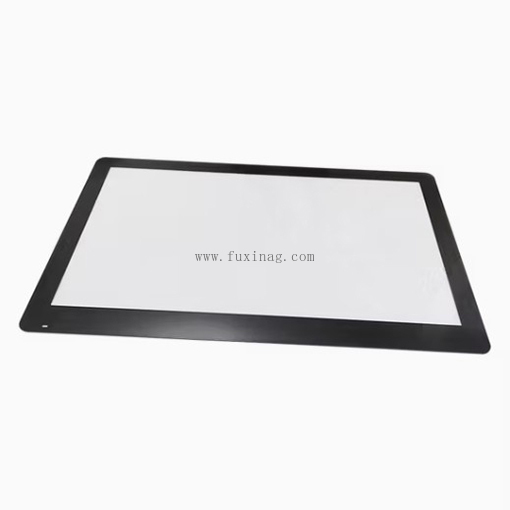
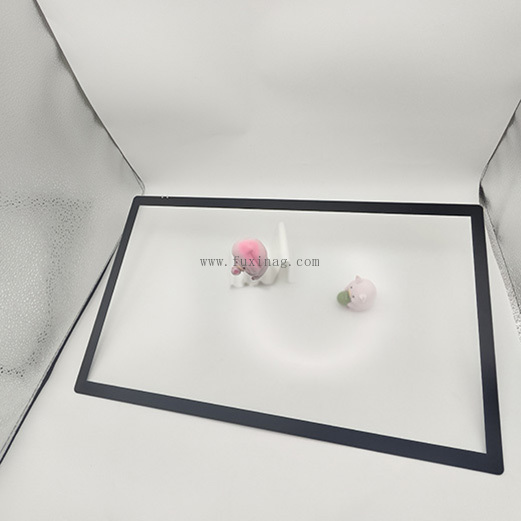
Historically, marine displays utilized thick, heavy glass panels to protect delicate LCD and OLED modules from physical shocks and water ingress. However, the paradigm has shifted. Today's maritime industry demands Thin AG (Anti-Glare) Tempered Glass. This modern engineering marvel provides the perfect balance of robust protection, exceptional optical performance, and thin profiles, allowing for sleek, flush-mount bridge console designs.
The maritime electronics market is witnessing a rapid transition towards integrated glass bridges. These configurations feature multiple large-format screens aligned seamlessly across the console. By utilizing chemically strengthened thin glass (typically ranging from 0.5mm to 2mm), display manufacturers can significantly reduce weight, enhance touch response accuracy (especially for multi-touch capacitive systems), and virtually eliminate optical parallax—the visual distortion caused by the gap between the display panel and the cover glass.
The application of Thin AG Tempered Glass on a ship's bridge extends far beyond standard screen protection. Let's analyze the specific scenarios where this specialized glass plays a critical role:
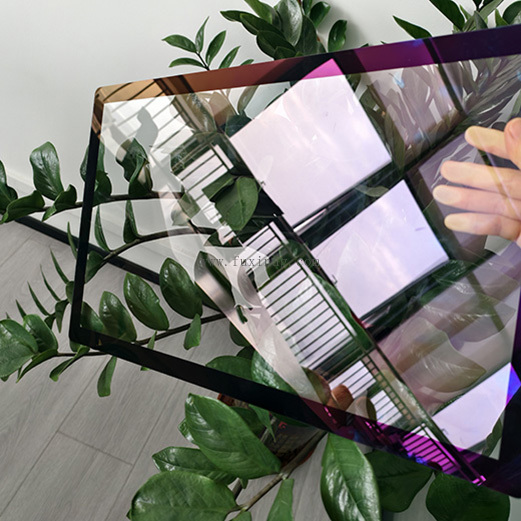
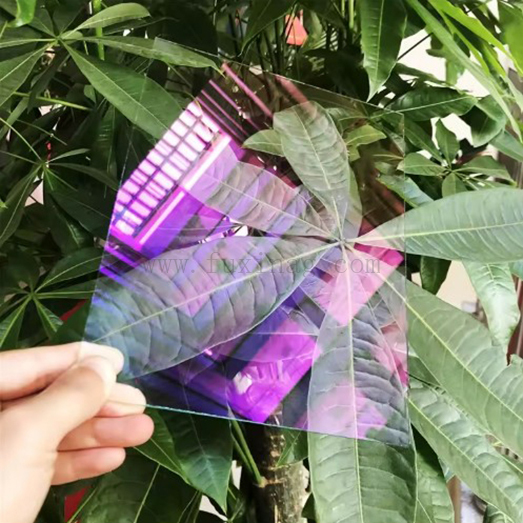
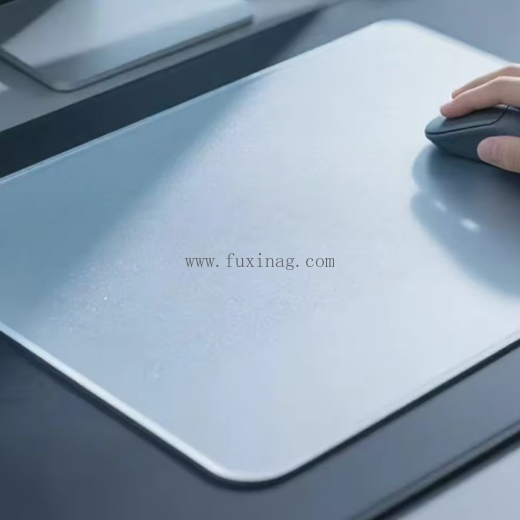
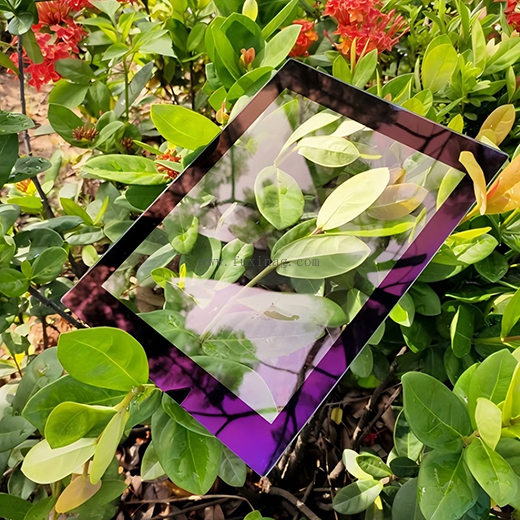
The marine environment is uniquely hostile to electronic displays. Sunlight reflection off the water surface, combined with high-angle solar radiation entering the bridge, creates extreme glare. Standard glass acts like a mirror, blinding the operator. Thin AG Tempered Glass solves this by utilizing precise chemical etching or micro-spraying technology to create a controlled micro-roughness on the glass surface. This surface structure diffuses specular reflections without compromising the clarity of the underlying screen.
Furthermore, salt spray and moisture can quickly corrode unprotected display surfaces. Chemically strengthened glass resists chemical attacks from sodium chloride and cleaning agents. When treated with hydrophobic and oleophobic AF coatings, salt residue and fingerprints fail to adhere, allowing bridge crews to easily wipe the screen clean with a dry cloth.
Founded in 2012, registered capital $1.5 million & 21000+m² plant, Fuxin Glass is an ODM/OEM provider for glass deep-processing service over 13 years, accumulating rich industry experience. We process base glass into customized cover glass with AG/AR/AF/AM surface coating and silk screen printing for touch screen, smart control devices, home appliances, lighting, and other special optical applications.
Our factory is near the beautiful Wanlv Lake, Heyuan City, China. The factory boasts a comprehensive suite of precision glass processing equipment, including glass tempering lines, fully automatic CNC cutting and edging lines, a large-scale screen printing line, linear and custom-shaped edging machines, and AG, AF, AR, and Anti-bacterial glass spraying.
Leveraging a strong R&D and sales team, production capacity, and a stable supply chain, Fuxin Glass has grown to become one of China's top 3 electronic and electrical cover glass manufacturers and enjoys a global reputation. We maintain stable partnerships with many renowned global brands, including TCL, HKC, CVTE, OKV, HUAWEI, KONKA, SEEWO. The company has a team of over 50 leading professional technical personnel. Based on the enterprising thinking of building a business with integrity, creating a new future, technological creativity and leading by science and technology, we are constantly innovating. We always adhere to the principle of "integrity, quality and win-win" and are willing to establish good long-term cooperative relationships with customers all over the world!
Fuxin Glass will give you quality and service that goes far beyond anyone else
Over a decade of refining glass deep-processing techniques to meet custom specifications for global clients.
Fully compliant with international standards, holding ISO, RoHS, GS, and JIS Z certifications.
Round-the-clock professional after-sales service to address technical inquiries and ensure smooth project cycles.
Dedicated research, design, production, and sales of high-performance electronic display glass.
Fuxin Glass owns a leading R&D team consisting of over 50 professional technical personnel.
Ranked among the Top 3 A-share listed electronic display glass manufacturers in China.
Expertise in producing premium AG glass, AM glass, AR glass, AF glass, and specialized electrical cover glass.
Continuous cooperation over decades with the well-known customers, including TCL, BOE, CVTE, Hisense, HKC, HUAWEI, and more, establishing a global reputation for quality.
Understanding the mechanical and chemical processes behind Thin AG Tempered Glass is essential for marine engineers. Unlike standard soda-lime float glass, which is prone to shattering under stress, the glass used for marine displays undergoes an intensive chemical tempering process. This is typically achieved through an ion-exchange bath where smaller sodium ions on the glass surface are replaced by larger potassium ions. This creates a high state of compressive stress on the outer layers, dramatically increasing the glass's resistance to physical impacts, drops, and temperature fluctuations.
For marine displays, keeping the glass thin (e.g., 1.1mm or 1.8mm) is crucial. Thin glass sheets minimize light absorption and refraction, ensuring the maximum amount of light from the display panel reaches the navigator's eyes. However, thin glass is inherently more fragile. The chemical strengthening process allows a 1.1mm glass sheet to achieve mechanical strength comparable to or exceeding that of a standard 4mm thermally tempered glass sheet. This enables the design of lightweight, low-profile displays that are highly resistant to impact (meeting strict IK08 or IK09 ratings).
On the optical front, the anti-glare (AG) treatment must be carefully calibrated. If the surface roughness is too high, the display will suffer from "sparkle"—a shimmering effect that causes eye strain and obscures fine details. Fuxin Glass utilizes advanced chemical etching processes to achieve a precise gloss level (typically between 50 to 95 gloss units) and low haze. This ensures that the display remains perfectly readable under direct sunlight while retaining its sharp contrast and vibrant color representation.