

Products News





0102030405
Single-Sided vs Double-Sided AG Glass for Touchscreen Displays: Which Anti-Glare Solution Delivers Superior Performance?
2026-03-02
What Is Anti-Glare (AG) Glass and Why Does It Matter for Touch Displays?
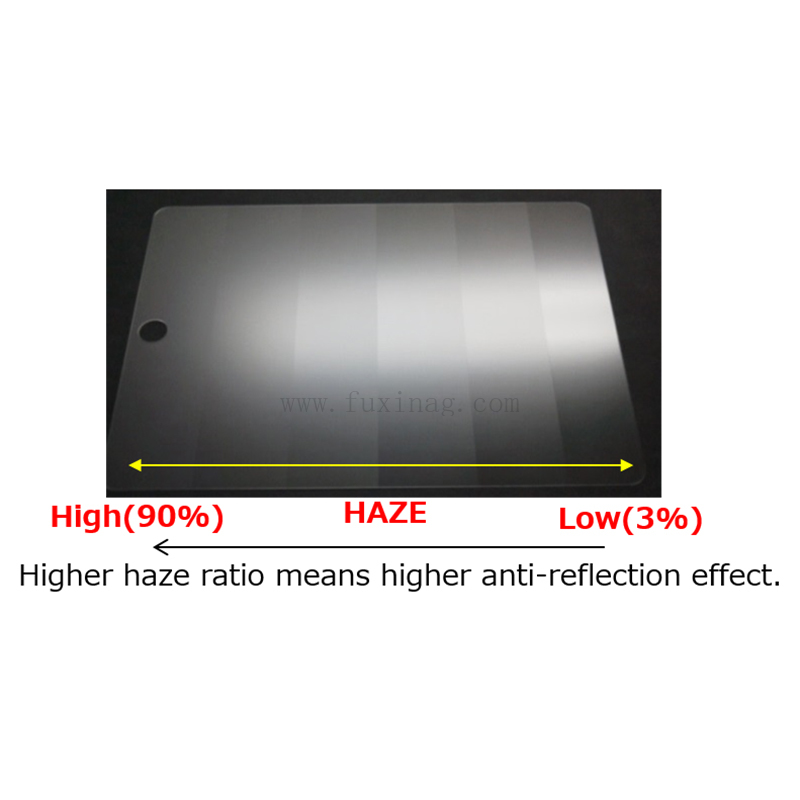
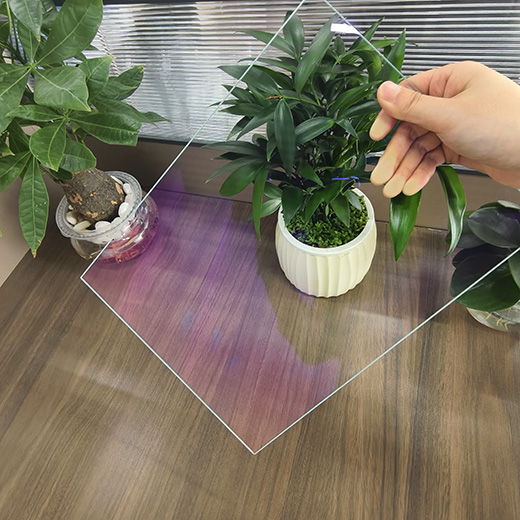
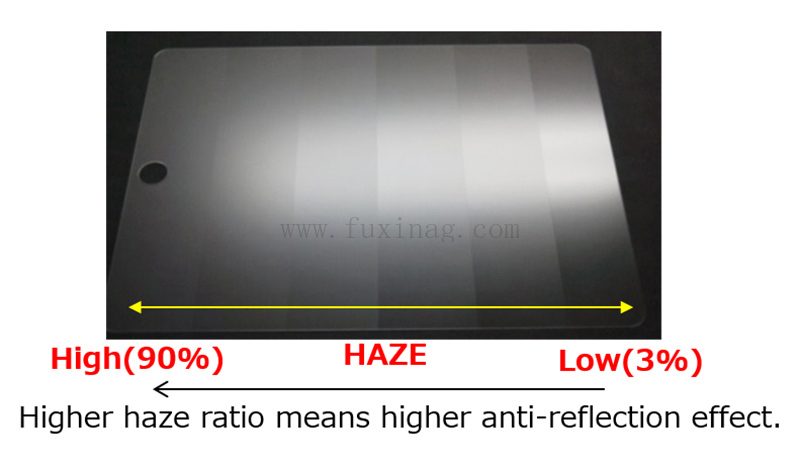
AG glass is chemically etched or sprayed to create a micro-rough surface that scatters incoming light, converting specular (mirror-like) reflections into diffuse ones. This dramatically reduces glare without compromising touch sensitivity or adding significant thickness.Benefits for touchscreen applications include:
- Enhanced readability in high-ambient-light environments (indoors, outdoors, or under direct sunlight)
- Reduced eye strain for prolonged use
- Improved image realism and contrast perception
- Scratch resistance up to 7H (especially when paired with high-quality substrates like Corning Gorilla Glass)
Single-Sided AG Glass: The Preferred Choice for Most Bonded Touchscreen Designs
Single-sided AG treatment applies the anti-glare etching to only one surface — usually the outer viewing side.
Key Advantages:
- Gloss level remains stable after lamination
- Ideal for full optical bonding with OCA (optically clear adhesive)
- Maintains consistent anti-glare performance and original gloss value
- Lower production cost compared to double-sided processing
- Excellent scratch resistance and paper-like touch feel
- Smartphones, tablets, and consumer electronics
- Industrial control panels and HMI displays requiring full lamination
- Automotive dashboards and medical equipment where optical bonding enhances contrast


Double-Sided AG Glass: When Both Surfaces Need Protection
Double-sided AG treats both faces of the glass, providing anti-glare performance on the front and back.Key Advantages:
- Superior protection in air-gap or frame-lamination designs
- Effective glare reduction from multiple viewing angles or when both sides are exposed
- Useful in certain privacy-focused or dual-view applications
- In full optical bonding, the inner AG surface is “wetted out” by OCA adhesive, causing it to lose its anti-glare properties
- Effective gloss increases by 10–20%, potentially reducing overall performance
- Higher material and processing cost
- Frame-laminated modules or air-gap constructions
- Applications where the rear surface may face environmental exposure before final assembly
- Specialized displays (e.g., some advertising machines or kiosks)
The Deciding Factor: Lamination Method Changes Everything
| Bonding Method |
Recommended AG Type
|
Gloss Behavior After Bonding
|
Anti-Glare Retention
|
|
Full Optical Bonding (OCA)
|
Single-sided
|
Unchanged
|
Full (outer side)
|
|
Frame Lamination / Air Gap
|
Single- or double-sided
|
Unchanged
|
Full
|
Critical Technical Parameters to SpecifyWhen sourcing AG glass for touch displays, focus on these measurable specs:
- Gloss (GU): 30°–110° range (lower values = stronger anti-glare; 110 GU common for automotive, 50–70 GU for outdoor)
- Haze: Balanced to avoid excessive diffusion that softens text
- Roughness (Ra): 0.5–2.5 µm depending on environment
- Transmittance: >89% to preserve brightness
- Thickness: 0.55 mm to 5 mm (customizable with soda-lime, aluminosilicate, or Gorilla Glass)
Real-World Applications Driving Demand
- Automotive & Transportation: 110 GU single-sided AG for dashboards and navigation screens
- Industrial & Medical: 95 GU single-sided for high-brightness indoor environments
- Outdoor Kiosks & Advertising: 50–70 GU AG for strong sunlight conditions
- Consumer Electronics: Thin single-sided AG cover lenses maintaining touch precision
Expert Recommendation from Fuxin Glass Technology
With over 13 years as a leading ODM/OEM glass deep-processing specialist, Fuxin Glass Technology offers fully customizable single-sided and double-sided AG cover glass tailored for touch displays. Their etched or sprayed AG solutions combine anti-glare performance with optional AF (anti-fingerprint), AR (anti-reflective), and silk-screen printing — all while meeting strict quality standards for transmittance, gloss uniformity, and edge integrity.Whether your project requires ultra-thin single-sided AG for full-bonded smartphone modules or robust double-sided options for industrial equipment, Fuxin’s R&D team delivers stable, high-yield production with 24/7 order support.