






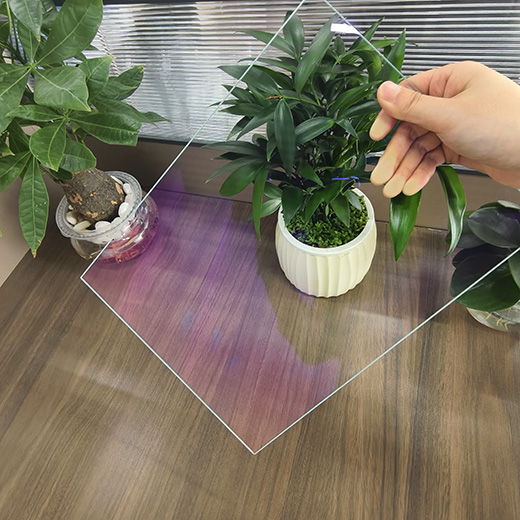
Revolutionizing Clarity: How AR Anti-Reflective Glass is Transforming Displays for Enhanced User Experiences
In a world increasingly dominated by digital displays, combating glare and maximizing visibility is paramount. Enter the next generation of AR Anti-Reflective (AR) Glass, a sophisticated optical technology rapidly becoming essential for high-performance electronic displays. This innovation goes beyond simple coatings, fundamentally enhancing how users interact with screens in demanding lighting environments.
The Science Behind the Clarity:
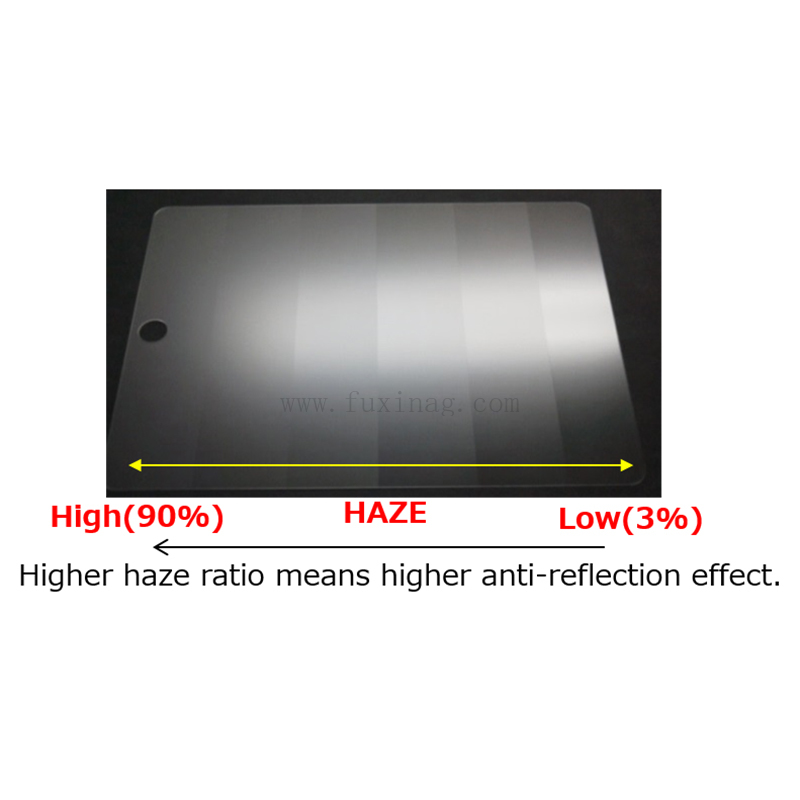
Traditional glass surfaces reflect a significant portion of ambient light, causing distracting glare and reducing screen contrast. AR glass utilizes advanced multi-layer nano-coatings applied through precision processes like magnetron sputtering or chemical vapor deposition. These coatings work on the principle of destructive interference. By carefully controlling the thickness and refractive index of each nanometer-thin layer, light waves reflecting off the different interfaces cancel each other out. This drastically reduces reflectivity (often to less than 0.5% across the visible spectrum) while simultaneously increasing light transmission through the glass. The result? Exceptional image clarity, true-to-life colors, deep blacks, and significantly reduced eye strain, even under bright sunlight or harsh indoor lighting.
Diverse Applications Driving Adoption:
The benefits of AR glass are fueling its integration across numerous sectors:
- Automotive & Transportation: Essential for Head-Up Displays (HUDs), instrument clusters, and center consoles. AR glass ensures critical driving information remains crystal clear against varying backgrounds like bright skies or dark roads, enhancing safety.
- Retail & Digital Signage: Transforms storefront windows and interactive kiosks. By minimizing reflections, AR glass makes vibrant digital content pop, attracting customer attention day and night, effectively turning windows into dynamic displays.
- Consumer Electronics: Elevates smartphones, tablets, laptops, smartwatches, and VR/AR headsets. Users enjoy superior outdoor readability and richer visuals without constantly battling glare.
- Industrial & Medical: Vital for control panels, diagnostic equipment displays, and surgical monitors where precision and readability under bright operating lights are non-negotiable.
- Gaming & Entertainment: Provides immersive experiences for arcade machines, high-end gaming monitors, and large public displays by delivering deeper contrast and vibrant colors.
Future Outlook: Beyond Reflection Control
The future of AR glass is exceptionally bright, focusing on multi-functional integration:
- Durability Enhancements: Developing harder, scratch-resistant, and chemically inert coatings for harsh environments.
- Self-Cleaning & Anti-Fingerprint Properties: Integrating hydrophobic and oleophobic layers to maintain clarity with minimal maintenance.
- Advanced Optical Tuning: Tailoring coatings for specific wavelengths (e.g., optimizing for projector light sources or specific display types) and viewing angles.
- Integration with Other Technologies: Combining AR properties with conductive coatings (touch functionality), anti-glare (AG) texture, and privacy filters for comprehensive display solutions.
- Cost-Effective Manufacturing: Scaling production techniques like advanced sol-gel processes to make high-performance AR glass accessible for mass-market applications.
"AR Anti-Reflective Glass is no longer a luxury; it's becoming a necessity for delivering superior visual experiences," said CTO at Fuxin Glass. "As displays become more integral to our daily lives and work, the demand for technology that combats glare while enhancing brightness and color fidelity will only intensify. We are continuously innovating to push the boundaries of clarity, durability, and functionality."
This technology represents a significant leap forward in optical performance, enabling displays to perform optimally regardless of ambient conditions. As research progresses, AR glass will play a pivotal role in the next wave of interactive and immersive visual technologies.