






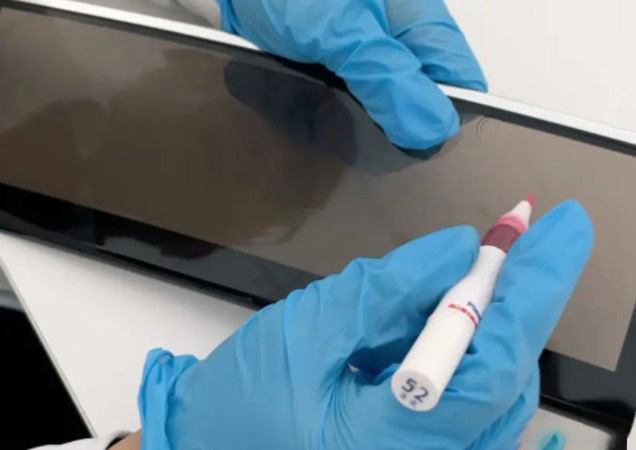
Mastering Optical Clarity: The Definitive Guide to Bonding AG Glass to LCD Displays
As display technology evolves, the demand for superior readability in high-ambient-light environments has never been higher. For manufacturers, engineers, and tech innovators, the process of bonding Anti-Glare (AG) glass to LCD panels is a critical procedure that defines the user experience.
Whether for outdoor kiosks, medical equipment, automotive dashboards, or high-end consumer electronics, a properly bonded AG glass display reduces reflections by up to 95% while enhancing contrast. However, achieving a flawless bond—free of dust, bubbles, and optical distortion—requires precision, the right materials, and a controlled environment.
This guide outlines the professional industry standards for successful AG glass to LCD lamination.
The Critical Role of Optical Bonding
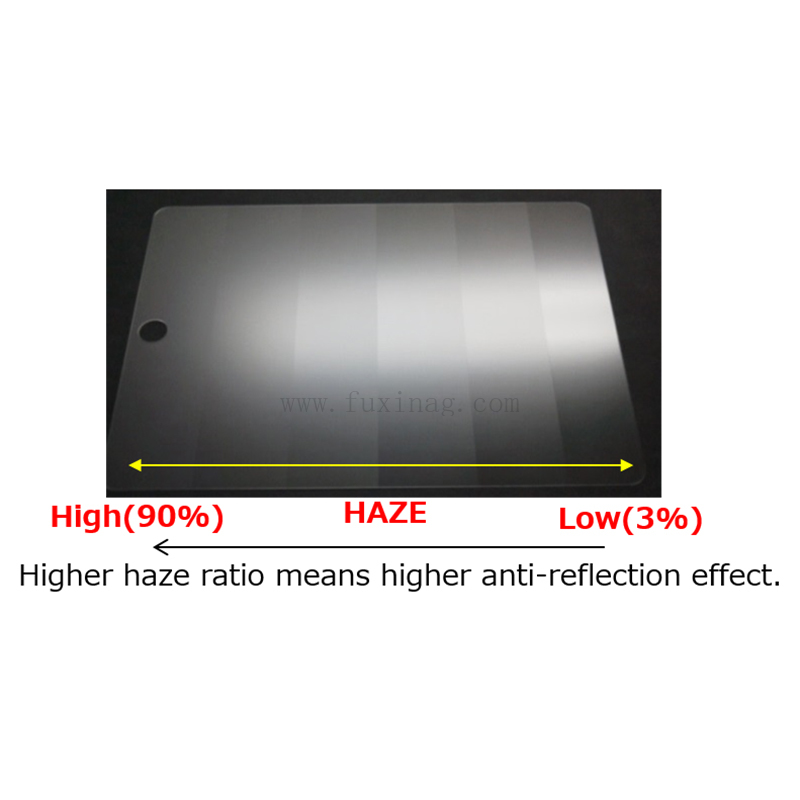
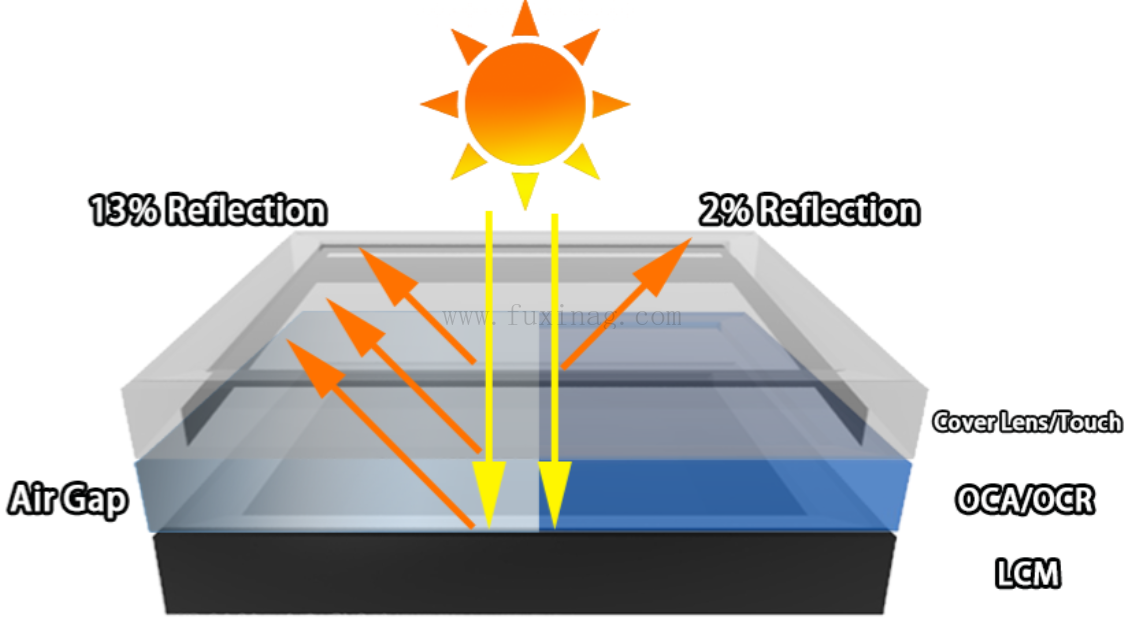
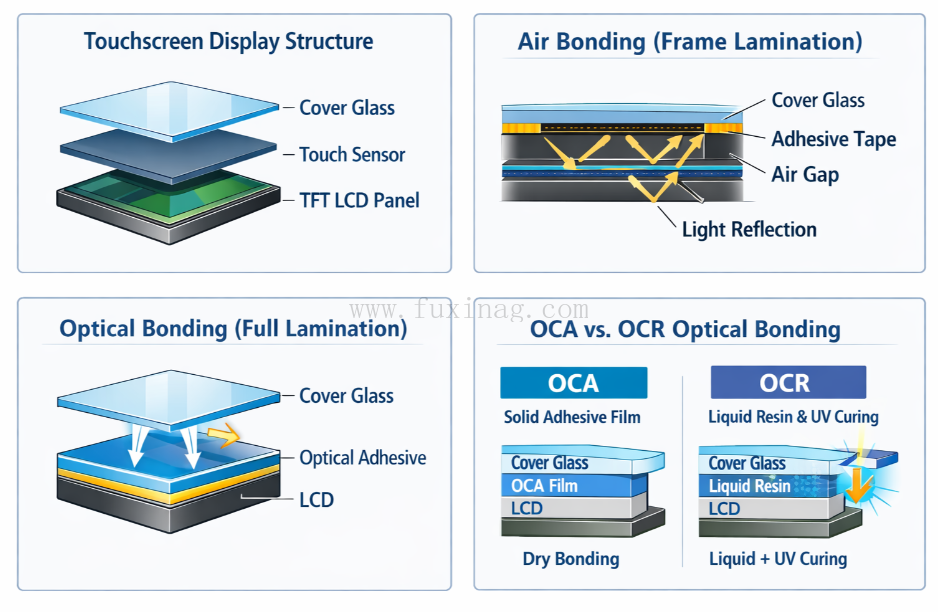
AG glass is treated with a chemical etching process that scatters ambient light, preventing mirror-like reflections that strain the eyes. However, placing AG glass over an LCD without proper bonding creates an air gap. This gap not only reduces impact resistance but also causes internal reflections that negate the benefits of the AG coating.
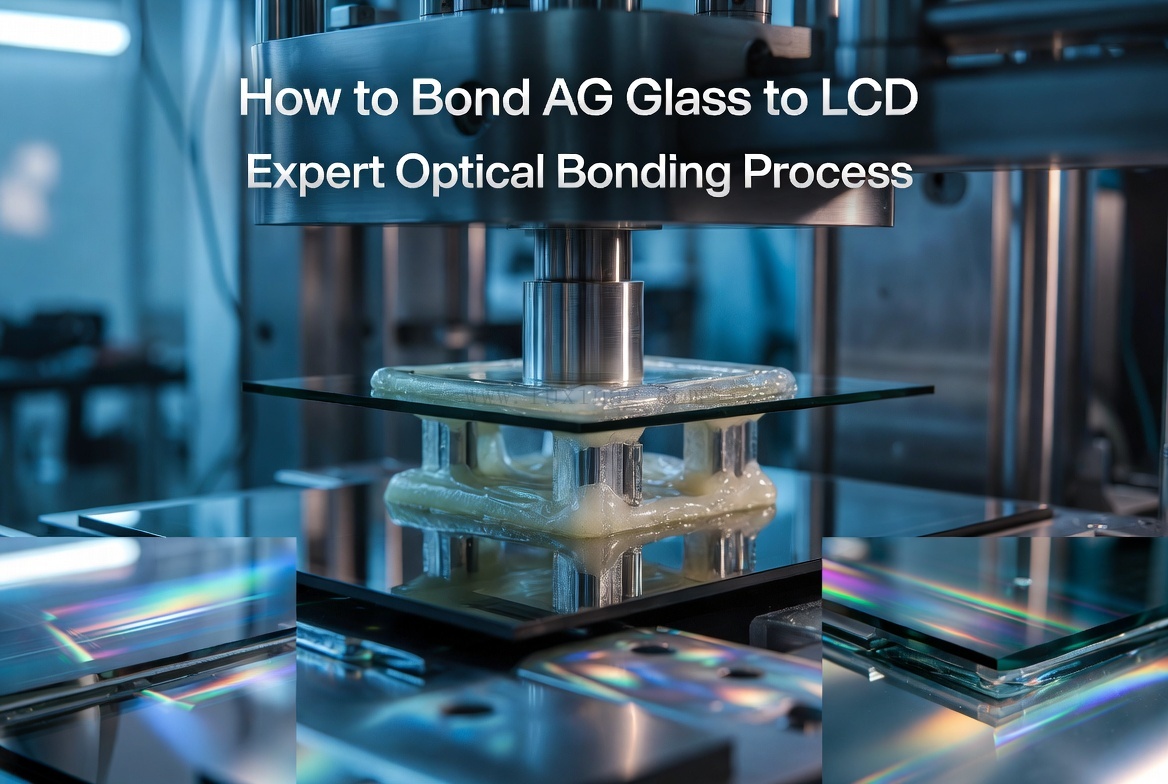
Optical Bonding is the process of filling the gap between the LCD and the cover glass with a high-transparency adhesive. This eliminates the air gap, improves mechanical durability, and dramatically enhances outdoor readability.
The 5-Step Process for Flawless Bonding
To ensure a high-yield production process or a successful prototype assembly, follow these industry-standard steps:
Step 1: Material Selection & Preparation
-
The LCD: Ensure the LCD surface is pristine. Any debris or oil will become permanently visible post-bonding.
-
The AG Glass: Verify the AG side (the etched/matte side) is facing outward. The adhesive must bond to the non-coated (smooth) side of the glass to ensure adhesion strength.
-
Adhesive: Use Optically Clear Adhesive (OCA) for solid-state bonding or Liquid Optically Clear Adhesive (LOCA) for complex shapes or larger sizes. OCA is preferred for high-volume manufacturing due to its consistency, while LOCA offers better gap-filling capabilities.
Step 2: Cleanroom Environment
Dust particles are the enemy of optical bonding. All bonding should occur in a cleanroom environment (Class 1000 or better). Particles as small as 50 microns can create visible "mura" (defects) in the final display.
Step 3: The Bonding Process
-
For OCA: The adhesive film is laminated onto the LCD or glass using a roller mechanism to prevent air entrapment. This is followed by autoclave processing—subjecting the assembly to high pressure and temperature—to eliminate residual bubbles and ensure a complete flow of the adhesive.
-
For LOCA: The liquid resin is dispensed in a specific pattern (often a "X" or "double-Y" pattern) onto the LCD. The AG glass is then lowered at a controlled angle and speed to allow the resin to spread evenly without trapping air. UV curing follows to harden the resin.
Step 4: UV Curing & Degassing
Once the assembly is aligned, UV light (wavelength typically 365nm or 395nm) is applied to cure the adhesive. For LOCA bonds, a pre-curing step holds the glass in place before a final deep cure ensures structural integrity. Degassing in a vacuum chamber prior to curing can remove micro-bubbles introduced during the dispensing process.
Step 5: Quality Inspection
Post-bonding, the modules undergo rigorous inspection:
-
Visual Inspection: Check for bubbles, particles, and alignment shifts.
-
Optical Inspection: Measure transmittance (should be >99% for bonded units) and verify that the anti-glare effect remains consistent across the entire surface.
Applications and Market Trends
The market for bonded AG glass displays is surging. Key sectors driving this growth include:
-
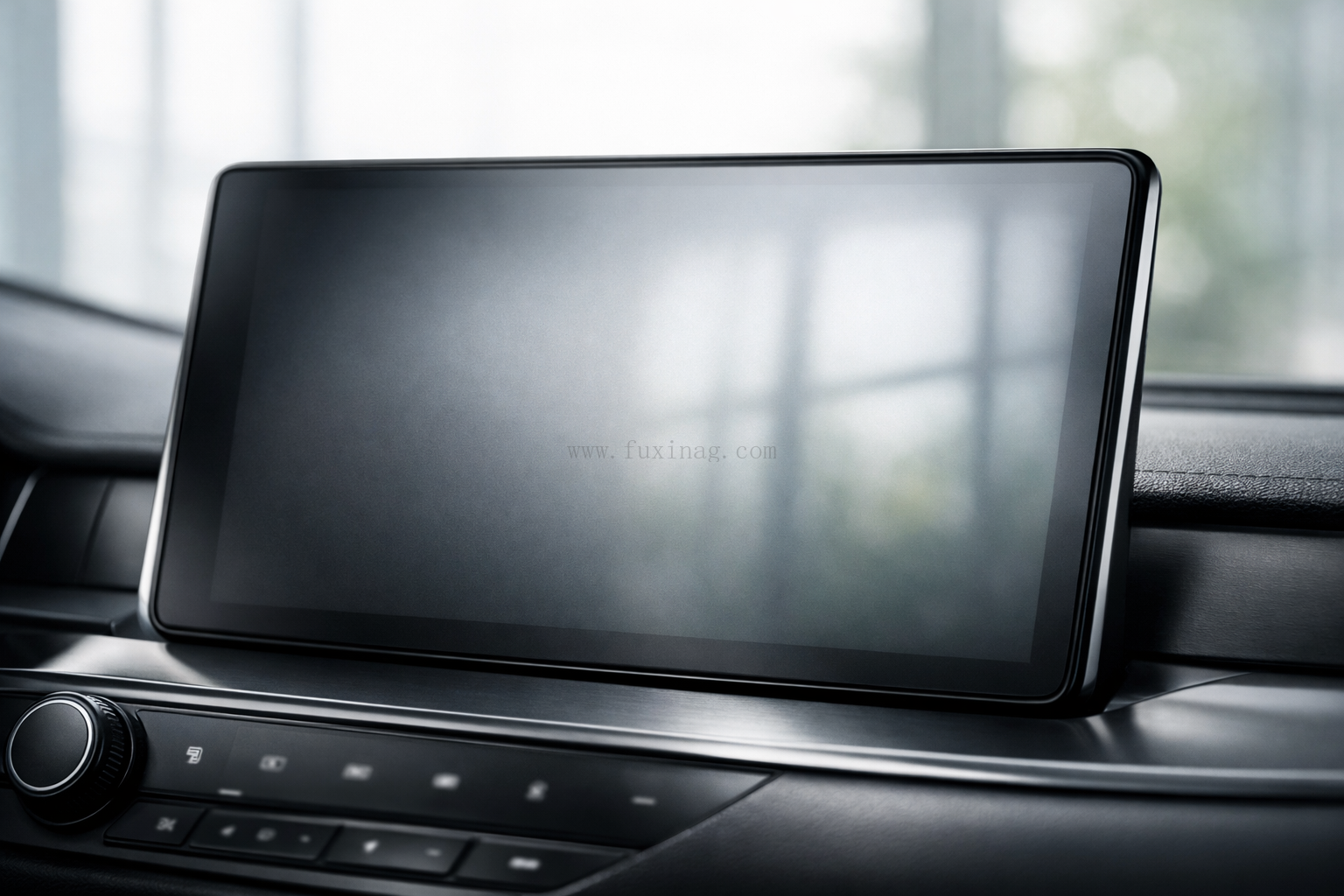
Automotive: Center consoles require AG glass to eliminate sun glare while maintaining touch sensitivity.
-
Medical: Monitors need to be easy to clean (AG glass is often chemically strengthened) and readable under bright surgical lights.
-
Industrial Handhelds: Rugged devices benefit from the added structural rigidity that bonded glass provides, reducing breakage rates during field operations.
Conclusion
Bonding AG glass to an LCD is more than just "gluing two parts together." It is a sophisticated optical engineering process that defines the durability, clarity, and user satisfaction of the final product. By utilizing optical-grade adhesives, maintaining a pristine manufacturing environment, and following precise curing protocols, manufacturers can produce displays that perform flawlessly in the brightest environments.
For more technical specifications or to inquire about custom display cover glass, please visit https://www.fuxinglasstech.com/.