



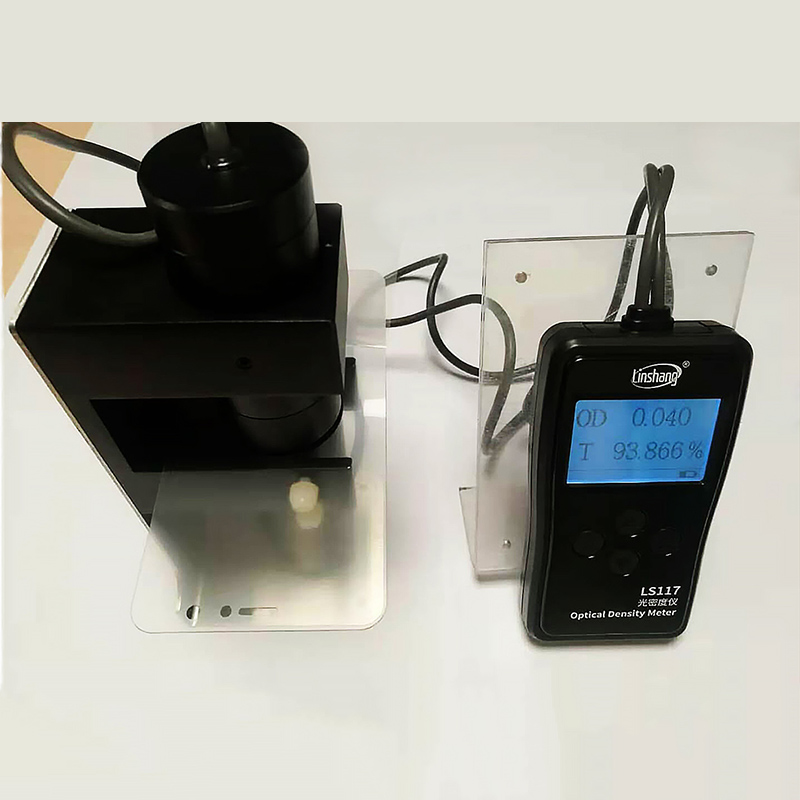
Light transmittance tester measured AG anti-glare glass
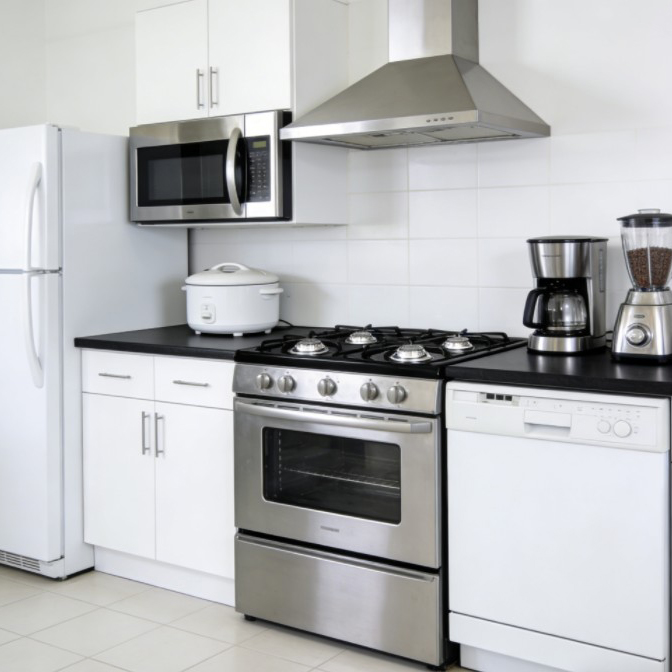
Common types
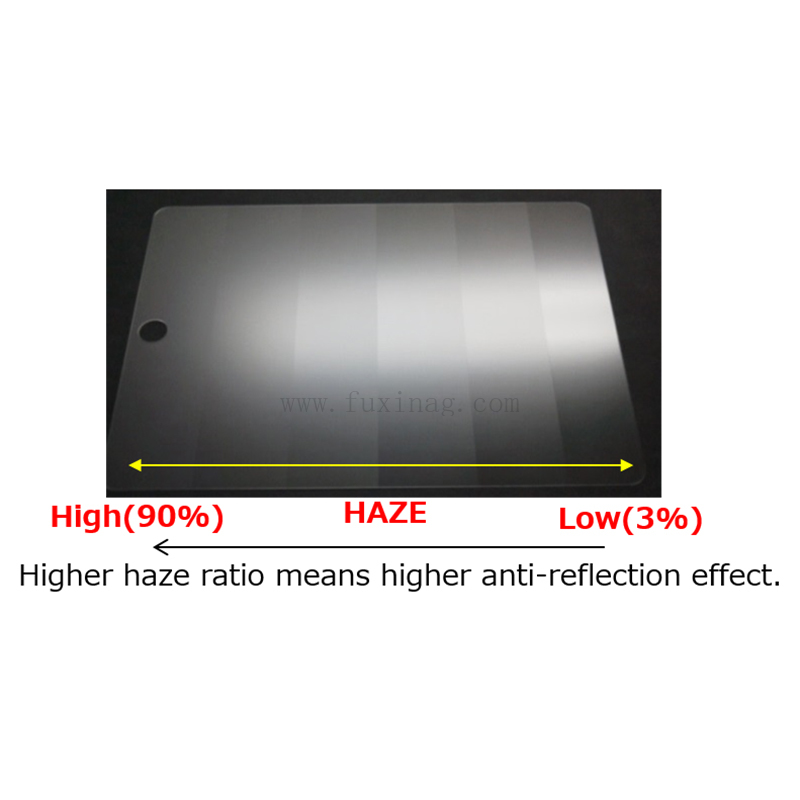
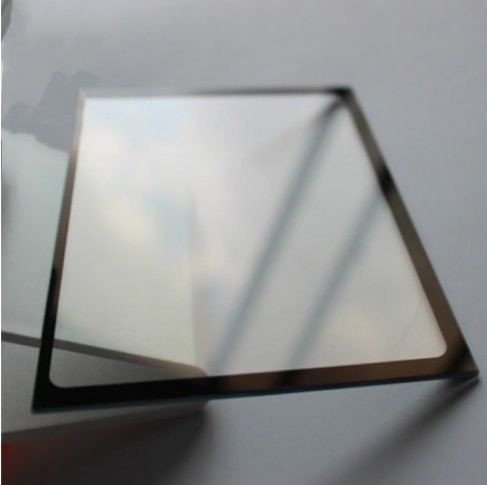
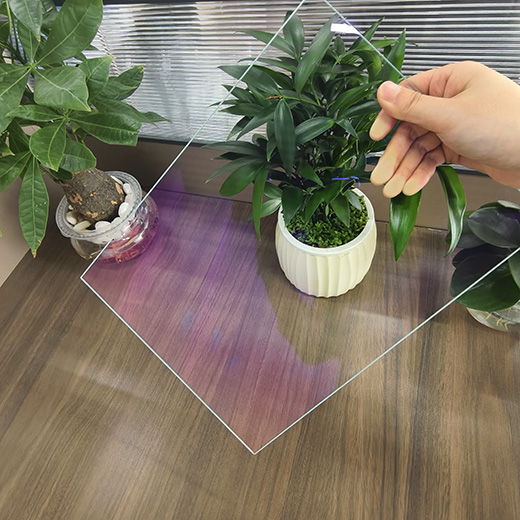
about projectThe use of AG anti-glare glass as the external screen can eliminate the light pollution of ordinary glass, so that the reflectivity of light is reduced from the original 8% to less than 1%, the ambient light interference is reduced, and the screen reflection is reduced. Picture clarity and visibility improved. The image will become clearer and more realistic, so that users can enjoy better visual effects. Due to the surface appearance and fine honeycomb shape of this glass, it is recommended to use the LS117 light transmittance tester in the measurement of this AG glass.
The use of light transmittance tester to measure it mainly involves the following aspects:
Pre-test preparation
☑ Instrument calibration: Ensure that the transmittance tester is calibrated to ensure the accuracy of the measurement. This usually requires the use of a standard transmittance calibration sheet, which is calibrated according to the operating steps of the instrument instructions, and the measurement error of the instrument itself is eliminated.
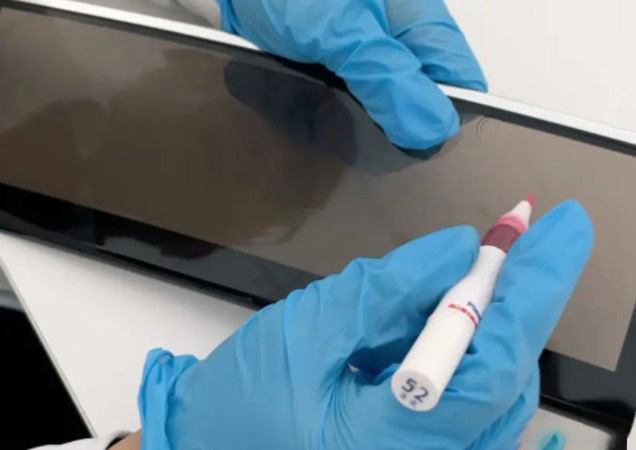
☑ Sample preparation: Select AG anti-glare glass sample of suitable size and clean surface without stains. If there is dust, fingerprints, or other contaminants on the surface of the sample, the light transmission may be affected and the measurement results may be biased. Therefore, use a clean and soft dust-free cloth dipped in an appropriate amount of anhydrous alcohol to gently wipe the sample.
Test procedure
☑ Place the sample: Place the AG anti-glare glass sample vertically and smoothly in the test light path of the transmittance tester, taking care to cover the entire test area to avoid light leakage. Some testers have a special sample fixture to ensure that the sample is firmly fixed and the position does not shift.
☑ Measuring operation: Open the transmittance tester and start the measuring program according to the instructions on the operation interface of the instrument. The instrument emits a specific wavelength or band of light to pass through the sample, and then receives and detects the intensity of the passing light on the other side. Generally speaking, the light will cover the visible range (about 380-780nm), and some high-precision testers can also measure specific bands such as infrared and ultraviolet to meet the needs of different application scenarios.
Result analysis
☑ Read the data: After the measurement is completed, the transmittance tester will directly display the transmittance value of AG anti-glare glass in the corresponding band. For example, at the visible wavelength of 550nm, a transmittance of 90% was measured, indicating that 90% of the incident light of the sample was able to pass through the glass at this wavelength. Different manufacturers, different processes of the production of AG anti-glare glass light transmittance will be different, generally high-quality products between 85%-95% light transmittance, can effectively prevent glare while ensuring good visual clarity.
☑ Comparison standard: The measurement results are compared with product specifications or industry standards to determine whether the AG anti-glare glass meets the quality requirements. If the transmittance is too low, it may make the screen display dark, the image is not clear, affecting the use effect; And the light transmittance is too high, it may mean that the anti-glare effect is not good.
☑ Multiple measurements: To ensure the reliability of data, it is recommended to measure the same sample at different locations for several times, and take the average value as the final result. Because even the same batch of production of AG anti-glare glass, due to subtle differences in the process, the light transmittance of different parts may also fluctuate, usually the deviation of multiple measurements should be controlled within a small range, such as ±0.5%.
In the actual test, the ambient light may also interfere with the measurement, so try to exclude the influence of external stray light on the test results in a dark room environment or use auxiliary tools such as a hood to obtain the most accurate transmittance data of AG anti-glare glass.