




The Evolution of Display Protection: How 2D, 2.5D & 3D Glass Covers Reshape Smart Devices
What is 2D, 2.5D, and 3D tempered glass?
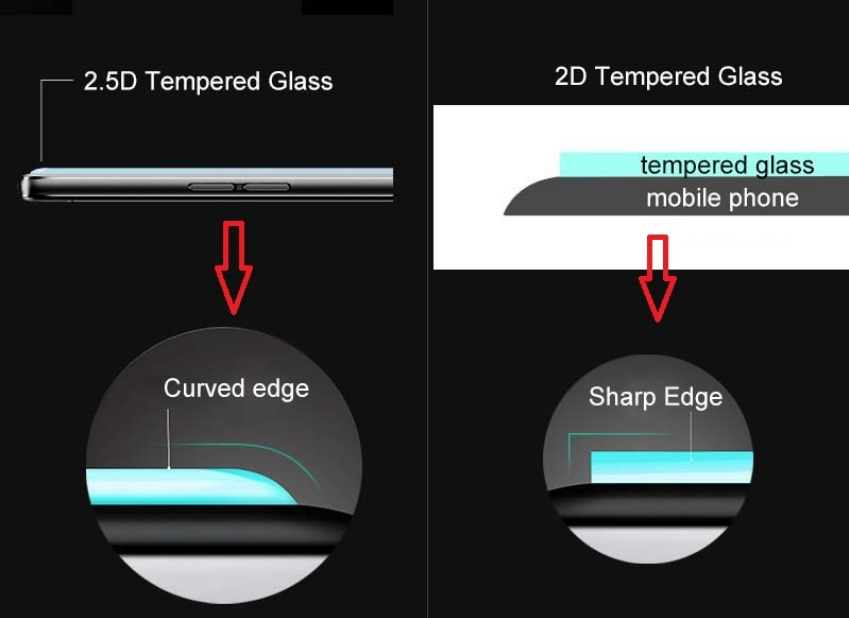
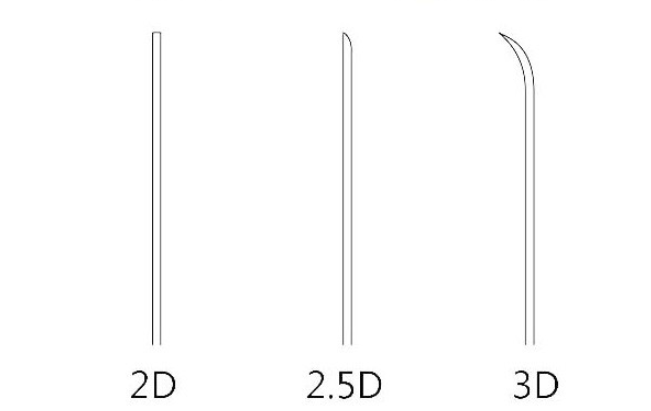
1. The Genesis: 2D Glass Dominance Era
-
2010-2014: 2D glass covers with chamfered edges dominated smartphones
-
0.5-0.7mm thickness and 9H hardness became industry standards
-
Limitations: Prone to chipping at sharp edges, incompatible with bezel-less designs
2. 2.5D Revolution: The Curve Innovation
-
2015 Breakthrough: Apple iPhone 6 popularized 2.5D technology
-
Key advantages:
-
0.3-0.5mm edge curvature for smoother touch experience
-
30% reduced accidental screen cracking (Corning data)
-
Enhanced OEM/ODM customization for mid-range devices
3. 3D Glass: The Future Unfolds
-
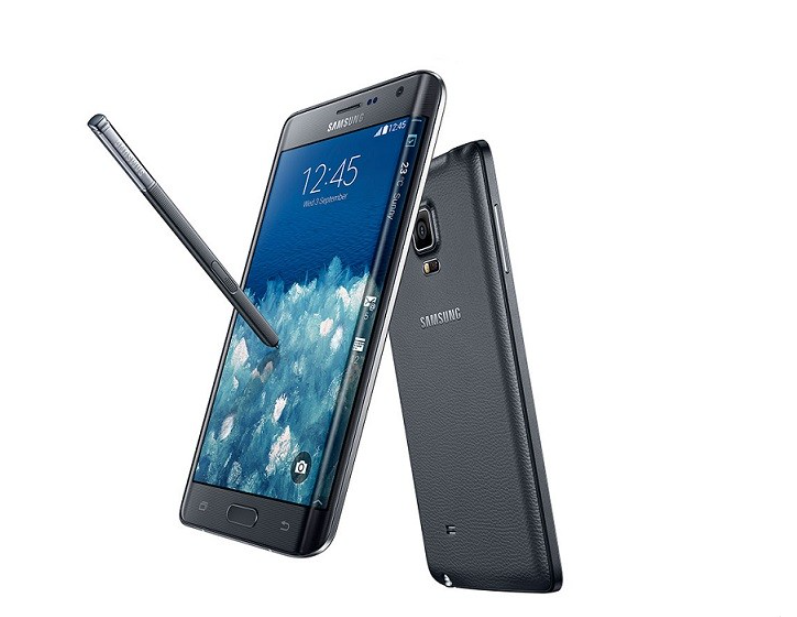
2018-Present: Flagship adoption (Samsung Galaxy S20, Huawei P40)
-
Manufacturing innovations:
-
CNC Grinding + Hot Bending achieves R1.5-8mm curvature radius
-
0.1mm precision for perfect display laminate adhesion
-
Automotive Grade 3D Glass for dashboard HUDs (withstands -40°C~105°C)
-
4. Conclusion
Although there are already concepts of 3.5D Glass, 4D Glass and 5D surround display in market, 2.5D Glass is still mainstream on Smartphone, Automotive & Wearable Glass, due to its cost-effective procession.
Next news, we will introduce details about what Fuxin Glass is developing on 2.5D glass.