

Products News



0102030405
Etched AG Glass vs. Coated AG Glass: Choosing the Ultimate Anti-Glare Solution for Modern Displays
2026-03-16
Understanding the Anti-Glare Revolution
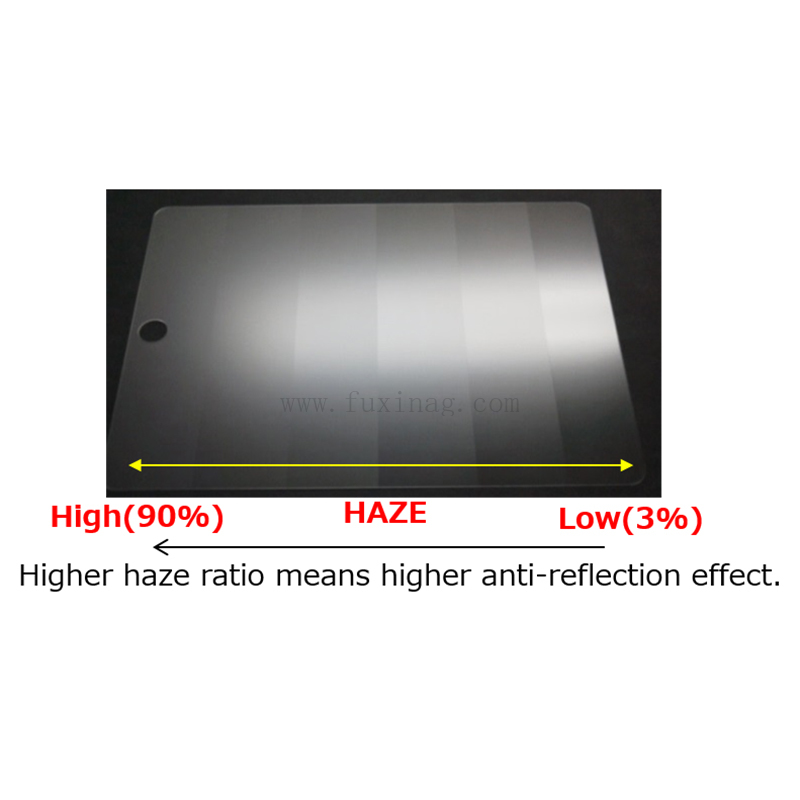
Anti-glare glass is designed to reduce reflections by scattering incident light, ensuring readability in bright environments. However, not all AG surfaces are created equal. The two primary methods—chemical etching and spray coating—yield vastly different results in terms of longevity and performance.
1. Etched AG Glass: The Gold Standard of Durability
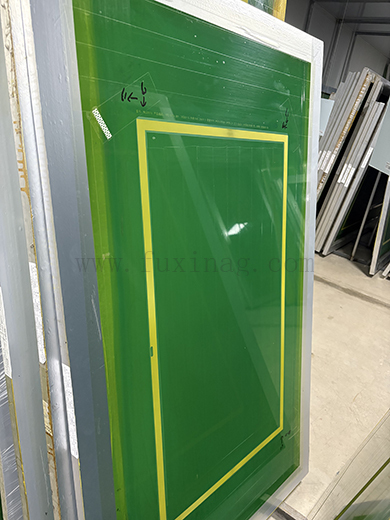
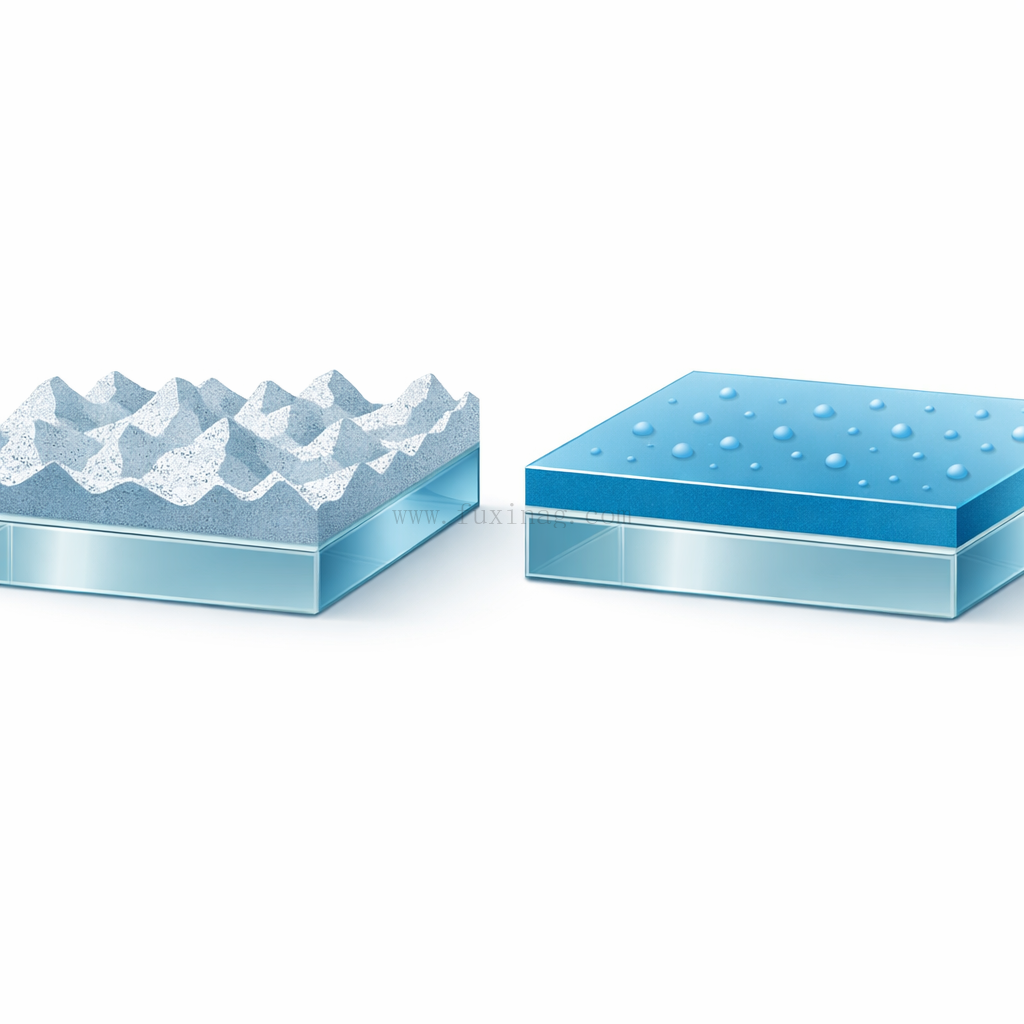
Etched AG Glass is produced through a sophisticated chemical process. By immersing the glass in a controlled acid bath (typically hydrofluoric acid), the surface is microscopically restructured into a matte finish.
•Process: Chemical etching removes a thin layer of the glass itself, making the AG effect an integral part of the substrate.
•Durability: Since the texture is the glass itself, it is permanent. It boasts exceptional scratch resistance and will not peel or wear off over time.
•Optical Clarity: High-quality etching maintains superior transmittance and minimizes "sparkle" or graininess, providing a crisp visual experience.
•Touch Experience: It offers a smooth, paper-like feel, making it the preferred choice for stylus-based devices and high-end touchscreens.
2. Coated AG Glass: The Versatile and Cost-Effective Alternative
Coated AG Glass (often referred to as sprayed AG) involves applying a thin layer of anti-glare material—usually a resin or polymer containing matte particles—onto the glass surface.
•Process: The coating is sprayed or laminated onto the glass and then cured (UV or thermal).
•Cost: Generally more affordable to produce, making it suitable for budget-conscious projects.
•Flexibility: Coatings can be applied to various substrates and can achieve specific gloss levels more easily.
•Trade-offs: The primary drawback is durability. Coatings are susceptible to scratching, chemical degradation, and may eventually wear off with frequent touch or cleaning.
Head-to-Head Comparison: Etched vs. Coated
| Method | Chemical Acid Etching | Spray Coating |
| Durability | Permanent (Lifespan of the glass) | Limited (May wear or scratch) |
| Scratch Resistance | High (6H - 9H depending on glass) | Moderate to Low |
| Optical Transmittance | Excellent (Up to 91-93%) | Good (Varies by coating thickness) |
| Touch Sensitivity | Natural and Smooth | Varies (Can feel "plasticky") |
| Cost | Higher (Complex process) | Lower (Efficient production) |
Which Should You Choose?
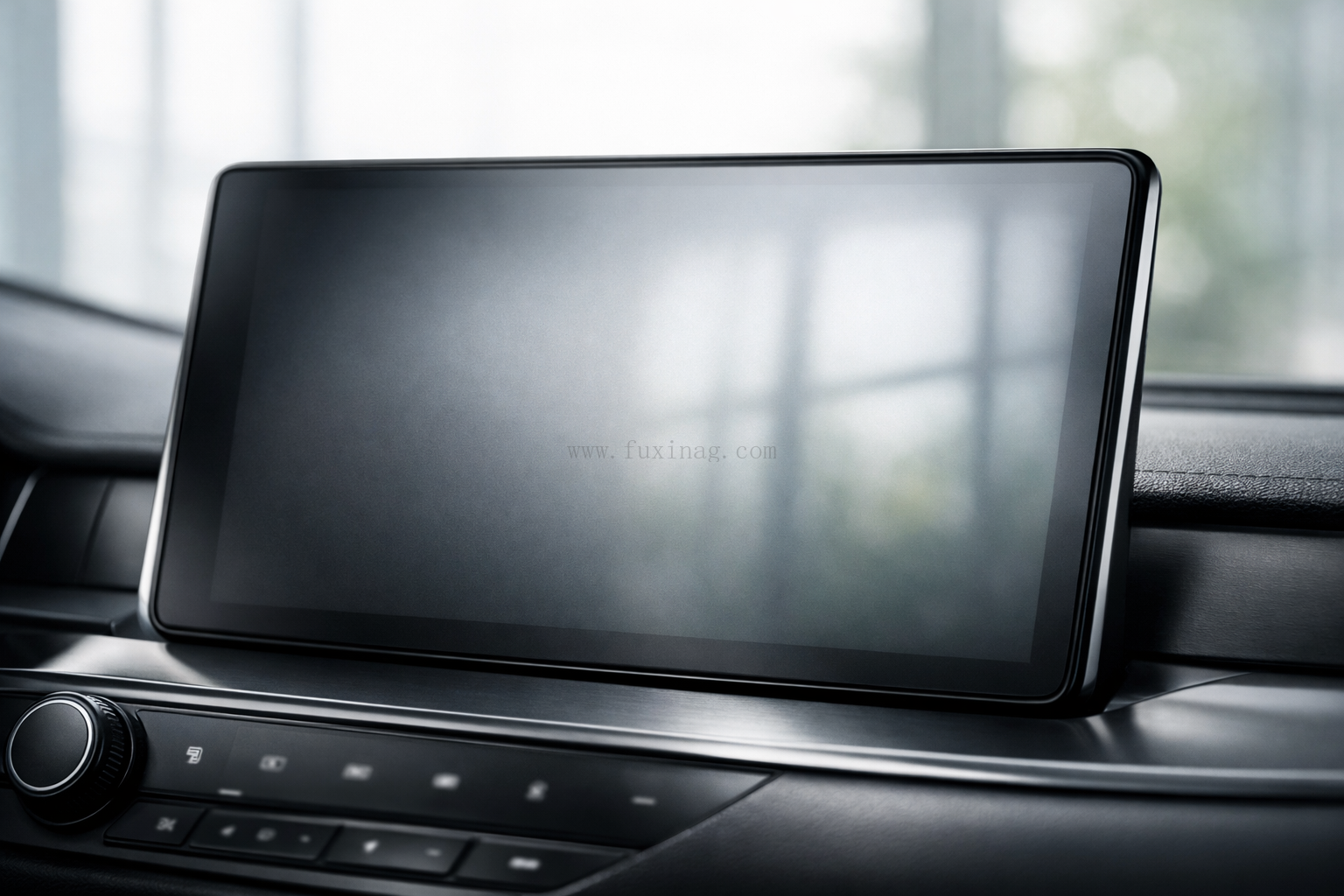
•Choose Etched AG Glass if: You are designing for high-end laptops, automotive dashboards, medical monitors, or any device requiring maximum durability and a premium touch feel.
•Choose Coated AG Glass if: You are working on short-lifecycle consumer products, budget-friendly monitors, or temporary signage where cost is the primary driver.
About Fuxin Glass
For more information, visit https://www.fuxinglasstech.com/ or contact yamy@fuxinag.com.