

Products News






0102030405
Elevating Precision: A Comprehensive Guide to Choosing Anti-Glare Glass for Medical Monitors
2026-03-23
Understanding Anti-Glare Technologies: Matte, Glossy, and Nano-Texture
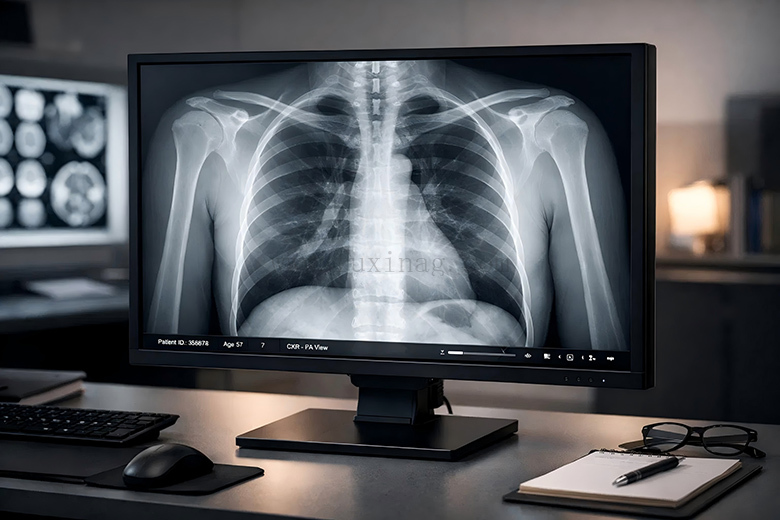
Medical monitors utilize different anti-glare coatings, each with distinct optical properties and suitability for specific environments. The choice significantly impacts how the display interacts with ambient light and the perceived image quality.
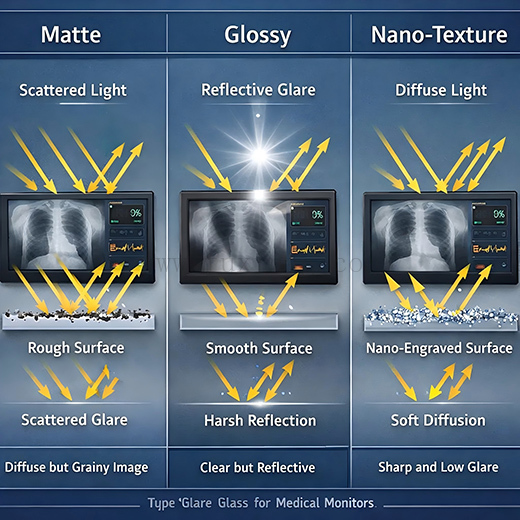
1. Matte Coatings: Diffusing Reflections for Bright Environments
Matte coatings feature a micro-textured surface designed to scatter incoming ambient light. This diffusion significantly reduces direct, mirror-like glare, making them highly effective in brightly lit or uncontrolled lighting conditions, such as general wards or busy clinics. While excellent at glare reduction, this scattering mechanism can slightly diffuse the light from the display's pixels, potentially leading to a minor reduction in perceived image sharpness and contrast.
2. Glossy Coatings: Prioritizing Sharpness in Controlled Lighting
Glossy coatings possess a perfectly smooth surface, allowing for maximum light transmission from the display panel. This results in exceptionally sharp, crisp, and vibrant images with deep blacks and saturated colors, offering the highest level of image fidelity. However, their smooth surface makes them highly susceptible to mirror-like reflections from any direct light source. Consequently, glossy displays are best suited for environments where ambient lighting can be completely controlled, such as dedicated radiology reading rooms where subtle textures and density variations are paramount.
3. Nano-Texture Coatings: The Best of Both Worlds
Nano-texture coatings represent an advanced anti-glare solution. Instead of an applied layer, the glass itself is precision-etched at a nanometer scale. This sophisticated surface controls light direction, effectively dissipating ambient light to prevent glare without interfering with the light emitted from the display's pixels. This technology maintains native contrast and sharpness, free from the haziness sometimes associated with matte coatings. Nano-texture displays are ideal for the most demanding clinical environments, such as operating rooms, where bright overhead surgical lights coexist with the critical need for absolute image clarity.
Key Selection Criteria for Medical Monitor Anti-Glare Glass
Choosing the optimal anti-glare solution requires a careful assessment of several factors, primarily driven by the specific clinical application and environmental conditions.
A. Clinical Application Environment
| Clinical Area | Primary Lighting Condition | Key Priority | Recommended Coating |
| Operating Room | Intense, Direct | Maximum Glare Reduction | Nano-Texture, Matte |
| Radiology Room | Dark, Controlled | Maximum Sharpness | Glossy, Nano-Texture |
| ICU/General Ward | Variable, Bright | All-Around Performance | Matte |
B. Technical Specifications
Beyond the coating type, several technical parameters define the performance of anti-glare glass:
- Gloss: Measures the specular reflection of light from the surface. Lower gloss values indicate less mirror-like reflection.
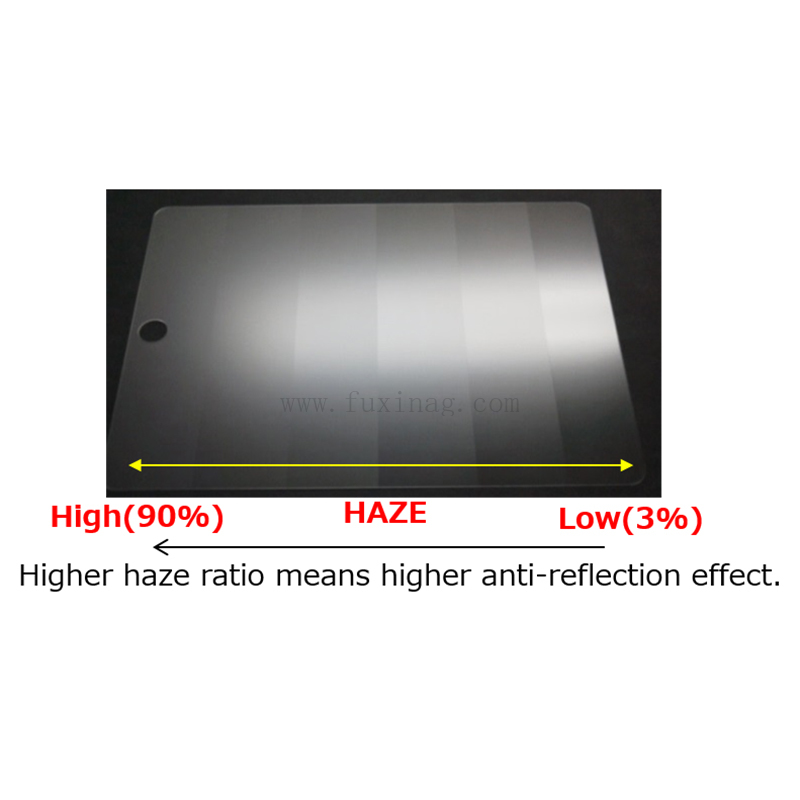
- Haze: Quantifies the amount of light scattered by the surface, affecting clarity. Higher haze values typically correspond to matte finishes.
- Transmittance: The percentage of light that passes through the glass. Higher transmittance ensures brighter images.
- Durability & Cleanability: In medical settings, resistance to scratches, chemicals, and ease of cleaning (e.g., with hydrophobic and oleophobic layers to repel water and oils) are crucial for infection control and longevity.