
Industrial and Commercial Relevance of Low-Haze Ag Glass on Ship Navigation Bridge Displays
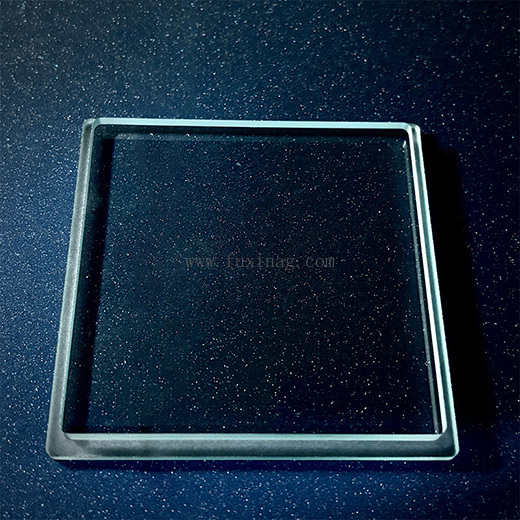
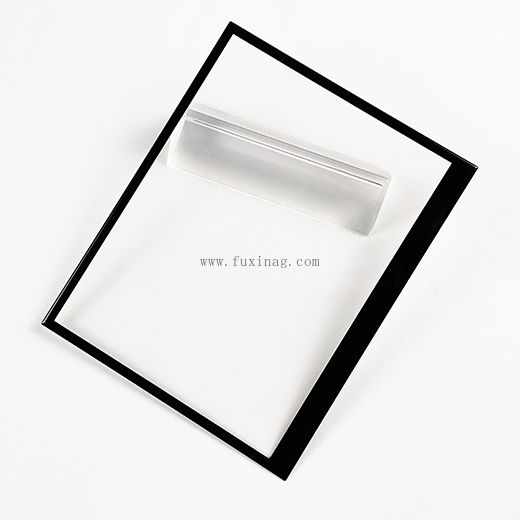
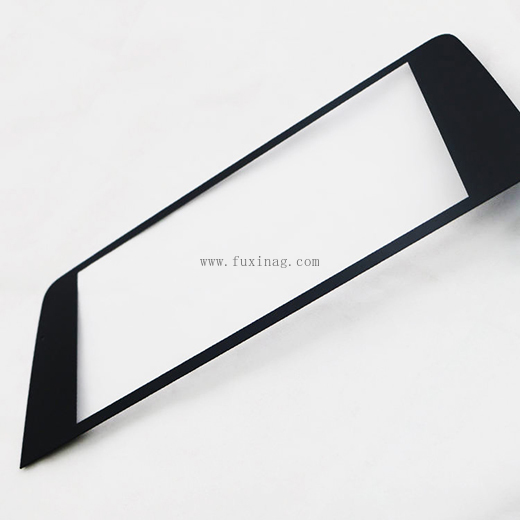
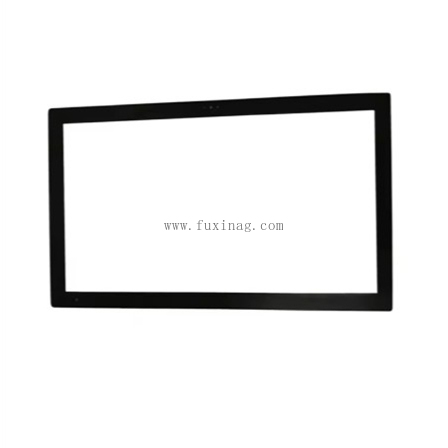
Low-Haze silver (Ag) coated glass has become a pivotal technology in modern ship navigation bridge displays, delivering a refined balance between optical clarity and anti-glare performance. Ship bridges demand displays that are readable in harsh maritime environments — direct sunlight, changing weather conditions, and varying angles of view — all create complex optical challenges. The specialized low-haze Ag glass addresses these by minimizing haze and reflections while maintaining high transmission, thus enhancing visibility and reducing eye strain for navigators and operators.
The maritime industry is witnessing a rapid shift towards digitalization and automation, where high-quality visual feedback from navigation displays is not just a convenience but often a safety-critical element. Low-haze Ag glass offers superior surface flatness, durability, and anti-reflective coatings optimized for harsh operational conditions. It reduces glare and light scattering that can obscure vital information during navigation or emergency maneuvers. By enabling clearer HUD-like interfaces on bridges, it plays a vital role in modern integrated bridge systems (IBS) where multiple display types converge to deliver real-time navigation, radar, and environmental data.
Moreover, advances in coating technology used in Low-Haze Ag glass have expanded its application beyond navigational displays to multifunctional touchscreen overlays, sensor covers, and environmental encapsulation windows on ship bridges. These glasses support the enhanced durability necessary to withstand salt spray, temperature fluctuations, and mechanical abrasion endemic to shipboard environments. The silver coating’s electrical conductivity can also be leveraged for embedding touch sensor electrodes or defrosting layers in critical display units.