Leave Your Message
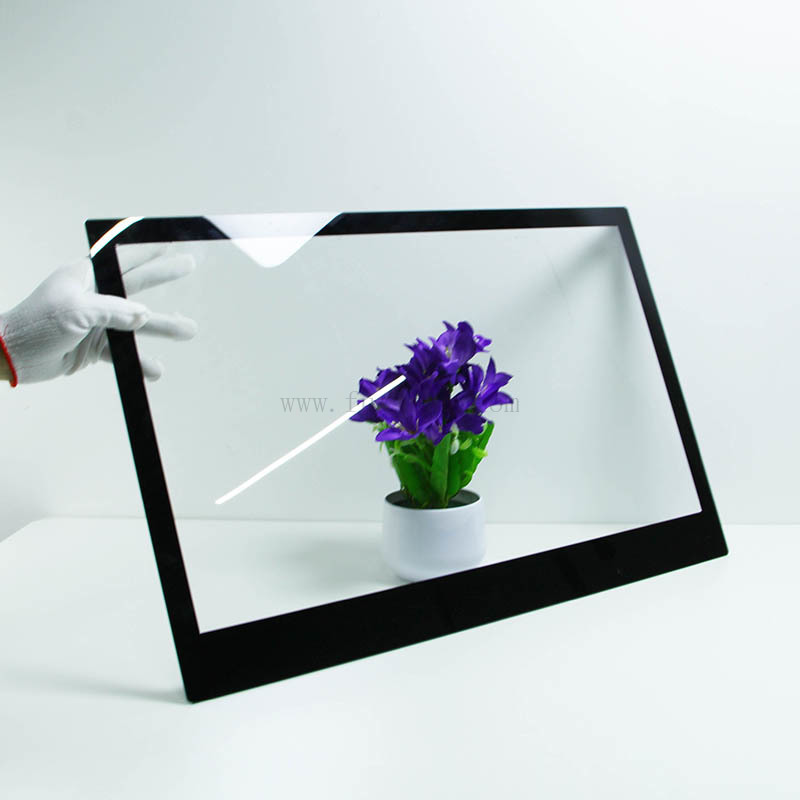
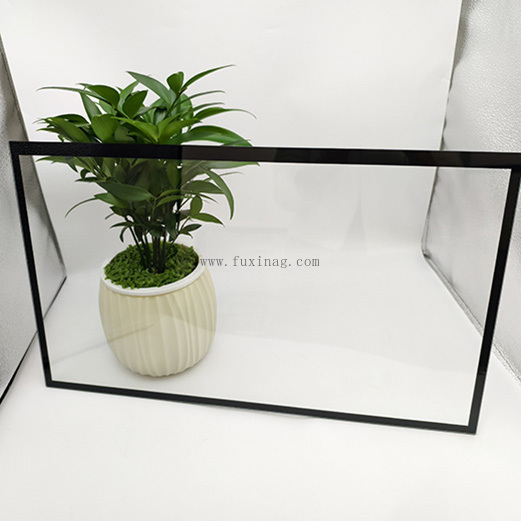
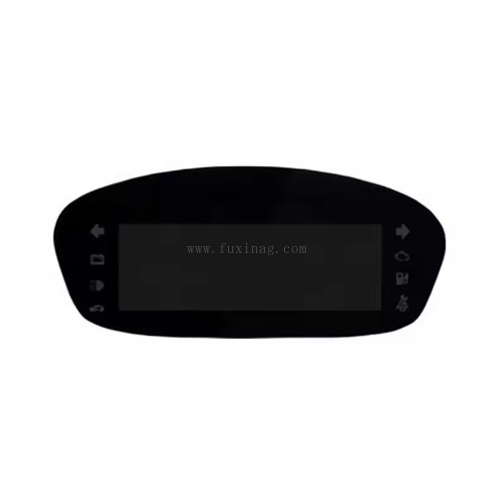
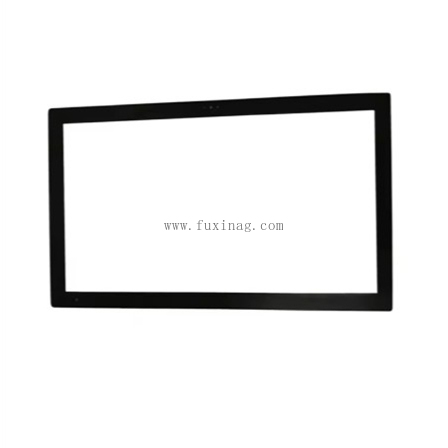
Explore our highly specialized low-glare protective glass panels designed specifically for the rigorous demands of ship navigation bridge displays.
In the rapidly evolving landscape of maritime navigation, the transition from traditional mechanical instruments to fully digital, integrated bridge systems (IBS) has revolutionized how vessels operate. Modern ship navigation bridge displays serve as the central nervous system of any commercial, military, or luxury maritime vessel. However, this digital transformation brings a severe environmental challenge: intense light interference. Operating in open waters exposes the bridge to harsh, direct sunlight, intense UV radiation, and highly blinding specular reflections bouncing off the ocean surface. Without specialized optical solutions, these reflections can completely wash out critical display data, leading to catastrophic navigational errors.
This is where Low-Glare Protective Glass (often utilizing advanced Anti-Glare or AG treatments) becomes an absolute necessity. Currently, the commercial and industrial maritime sector mandates strict compliance with international safety standards, such as those set by the International Maritime Organization (IMO) and the International Electrotechnical Commission (IEC 60945). These regulations require that navigation displays must be readable under all ambient light conditions, from pitch-black nights to the brightest high-noon sun. Low-glare protective glass achieves this by microscopically altering the surface of the glass to scatter incident light, drastically reducing the harsh reflections that cause operator eye fatigue and temporary blindness.
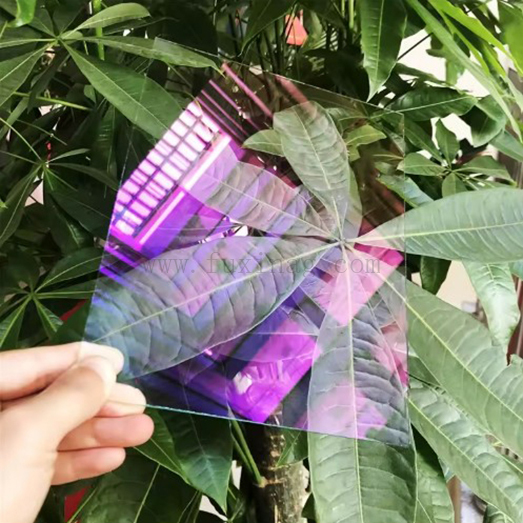
The industrial status of marine glass manufacturing has shifted from simple tempered overlays to highly complex, multi-layered optical stacks. Today's premium low-glare protective glass for ship navigation bridge displays doesn't just reduce glare; it integrates Anti-Reflective (AR) coatings to maximize light transmission from the LCD/OLED panel beneath, Anti-Fingerprint (AF) coatings for modern touchscreen interfaces, and robust chemical strengthening to withstand the violent vibrations and thermal shocks inherent to marine environments. As shipbuilders push for larger, curved, and bezel-less console designs, the demand for custom-sized, optically bonded low-glare glass is at an all-time high.
Advanced AG etching ensures that while glare is diffused, the underlying high-resolution radar and chart data remains incredibly sharp and color-accurate.
Chemically strengthened to withstand blunt force impacts, severe ship vibrations, and extreme temperature fluctuations from arctic cold to tropical heat.
Engineered to meet and exceed strict maritime certifications (IEC 60945) ensuring flawless readability in both daylight and night-time operations.
To truly understand the value of low-glare protective glass, one must analyze the specific, high-stakes application scenarios within a ship's navigation bridge. Each subsystem relies heavily on the uninterrupted visual transmission of data to the captain and crew.
The ECDIS is the modern replacement for paper nautical charts. These large-format displays provide real-time positioning, route planning, and depth contours. Because ECDIS maps rely on precise color coding (e.g., distinguishing shallow water hazards in light blue from safe deep waters in dark blue), the protective glass must have exceptionally low haze alongside its anti-glare properties. If the glass diffuses the light too aggressively, the map becomes blurry, and colors shift. High-end low-glare glass uses precise chemical etching to strike the perfect balance—diffusing the harsh sun reflecting through the bridge windows while maintaining the crucial optical clarity required to read minute chart details.
Radar displays are critical for collision avoidance, especially in fog, heavy rain, or at night. Radar returns are often represented as small, faint blips on a dark background. In a sunlit bridge, specular reflection on a standard glass monitor would completely obscure these faint signals. Low-glare protective glass paired with an Anti-Reflective (AR) coating ensures that the contrast ratio of the display remains incredibly high. By minimizing ambient light reflection down to less than 1%, the dark backgrounds remain deep black, allowing the radar blips to stand out vividly, ensuring the crew can track moving targets without visual interference.
For offshore supply vessels, drillships, and modern cruise liners, Dynamic Positioning systems are used to automatically maintain the vessel's position and heading using its own propellers and thrusters. The operators of these systems often monitor multiple screens simultaneously for hours. Eye fatigue is a massive occupational hazard. Low-glare glass significantly reduces the strain on the operator's eyes by softening the harsh light sources in the room (such as overhead LED lights and window glare). Furthermore, as DP systems increasingly move toward touchscreen interfaces, the glass is treated with Anti-Fingerprint (AF) oleophobic coatings. This ensures that the salt, sweat, and oils from the operators' hands do not leave smudges that could refract light and obscure critical thrust data.
The maritime industry is on the cusp of an AI and automation revolution. As we look toward the future of ship navigation bridge displays, the requirements for protective cover glass are evolving rapidly. The most prominent trend is the shift towards massive, ultra-wide integrated displays that span the entire helm, replacing individual modular screens. These "glass bridge" concepts require exceptionally large sheets of low-glare glass that maintain uniform optical properties across their entire surface. Manufacturing such large-scale AG/AR glass without visual defects or warping requires state-of-the-art CNC processing and chemical etching facilities.
Another massive development trend is the integration of Projected Capacitive (PCAP) touch technology into almost all bridge displays. As physical buttons and trackballs are phased out, the protective glass itself becomes the primary interface. This demands that the low-glare glass not only optical perfection but also precise dielectric properties to ensure high touch sensitivity, even when operators are wearing heavy maritime gloves or when the screen is exposed to condensation and salt spray. Advanced optical bonding techniques—where the air gap between the LCD panel and the protective glass is filled with a specialized resin—are becoming the industry standard. This eliminates internal reflections entirely and prevents moisture from fogging the display from the inside.
Furthermore, with the advent of AI-assisted autonomous shipping, the displays on the bridge will serve as monitoring stations for complex AI decision-making algorithms. The data presented will be denser, featuring augmented reality (AR) overlays combining camera feeds with radar and sonar data. The protective glass will need to support these high-definition, multi-layered visual outputs without any distortion. We are also seeing the introduction of Anti-Microbial (AM) coatings combined with low-glare treatments to ensure that shared touchscreens on vessels operating 24/7 do not become vectors for disease transmission among the crew.
Perfectly suited for next-gen AI monitoring consoles, ensuring zero distortion for augmented reality data overlays and high-density information.
Optimized dielectric properties support multi-touch PCAP systems, functioning flawlessly even with thick gloves or water droplets on the surface.
Designed to seamlessly integrate with liquid optical clear adhesives (LOCA) to eliminate internal reflections and prevent internal fogging.
Founded in 2012, with a registered capital of $1.5 million and a sprawling 21,000+m² plant, Fuxin Glass is a premier ODM/OEM provider for glass deep-processing services. With over 13 years of accumulated rich industry experience, we specialize in processing base glass into highly customized cover glass solutions. Our advanced surface treatments include AG (Anti-Glare), AR (Anti-Reflective), AF (Anti-Fingerprint), and AM (Anti-Microbial) coatings, alongside precision silk screen printing for touch screens, smart control devices, maritime displays, home appliances, and other special optical applications.
Strategically located near the beautiful Wanlv Lake in Heyuan City, China, our factory boasts a comprehensive suite of precision glass processing equipment. This includes advanced glass tempering lines, fully automatic CNC cutting and edging lines, large-scale screen printing lines, and sophisticated spraying systems for AG, AF, AR, and anti-bacterial treatments. Leveraging a robust R&D team of over 50 leading professional technical personnel, massive production capacity, and a highly stable supply chain, Fuxin Glass has grown to become one of China's top 3 electronic and electrical cover glass manufacturers, enjoying a stellar global reputation.
We maintain steadfast partnerships with renowned global brands, including TCL, HKC, CVTE, OKV, HUAWEI, KONKA, and SEEWO. Based on the enterprising philosophy of building a business with integrity, technological creativity, and leading through science, we constantly innovate. We adhere strictly to the principle of "integrity, quality, and win-win," and we are eager to establish long-term, fruitful cooperative relationships with customers worldwide, especially in the demanding field of marine display technology.
Fuxin Glass will provide you with cutting-edge optical quality and dedicated service that goes far beyond industry standards.
13-year of OEM/ODM manufacturing experience.
Certified by ISO, RHOS, GS, JIS Z standards.
24-hours Professional global after-sale service.
Specializing in research, design, and production of electronic display glass.
Leading R&D team combining over 50 professional technical personnel.
Top 3 A-share listed electronic display glass manufacturer in China.
Professional manufacturer of AG, AM, AR, AF, and various electrical glass.
Continuous cooperation over decades with TCL, BOE, CVTE, Hisense, HUAWEI, etc.
Discover our full range of deeply processed optical glass solutions, engineered to meet the exact specifications of modern navigation, industrial, and commercial display applications.