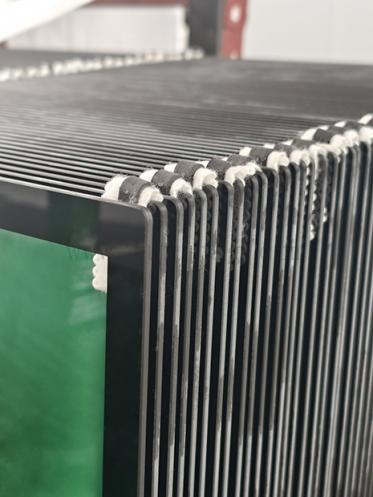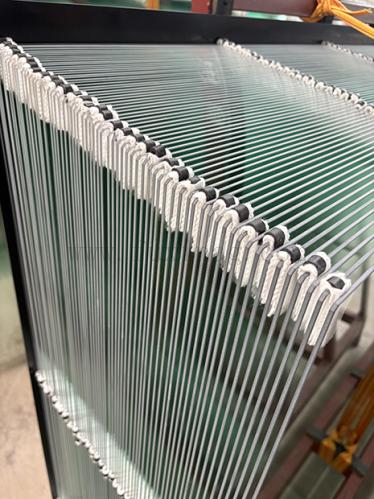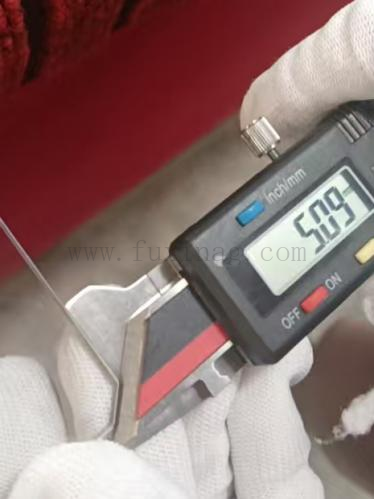
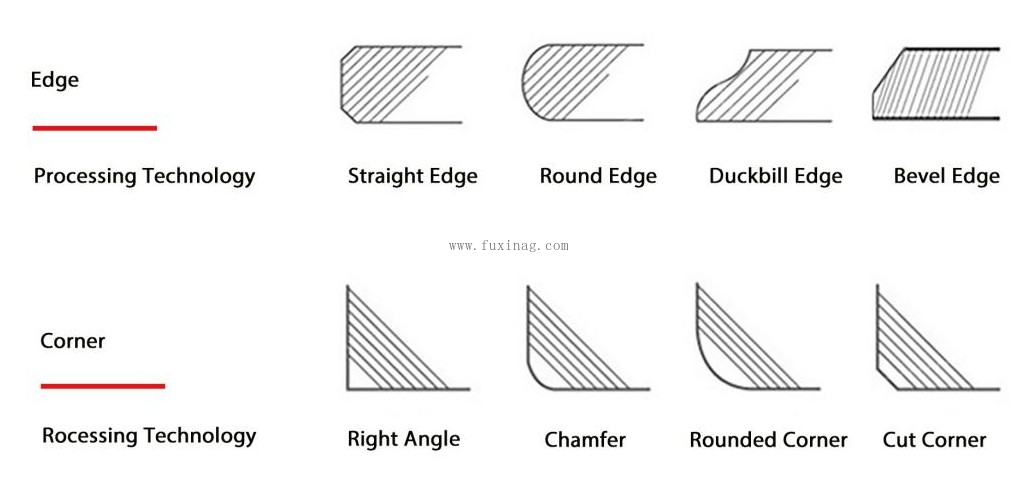
We offer a wide range of glass edge finishing options to meet both functional and aesthetic requirements applications requiring edge grinding and chamfering include: electronic cover glass, glass table tops and shelves, architectural railings and partitions, decorative mirrors, display cases, and precision industrial components.
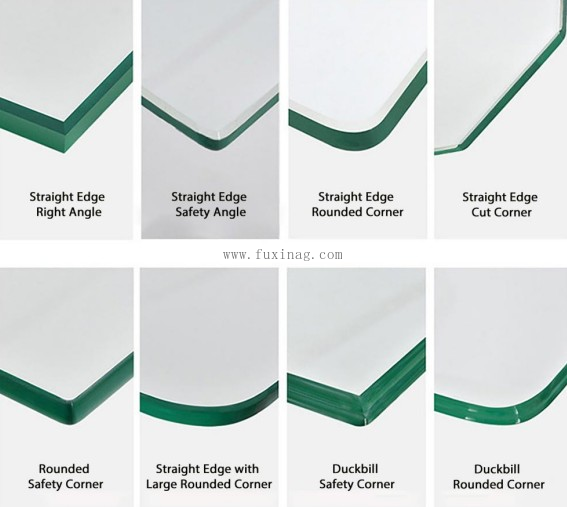
|
Edge Type |
Description |
Usage Scenarios |
Applications |
|
Seamed Edge (Cut and Swipe) |
Edges are lightly sanded or ground to remove sharpness, burrs, and chips, resulting in a matte, non-polished finish for basic safety.
|
Low-cost, functional safety in non-visible or framed edges; ideal for mass production where aesthetics are secondary to protection and ease of assembly.
|
Industrial monitors, surveillance screens, embedded display panels in machinery. |
|
Flat Edge (Ground Flat) |
Edges are ground flat with a slight chamfer for smoothness, often left unpolished or minimally finished; provides a clean, straight profile. |
Utility-focused applications requiring durability and minimal light distortion; suitable for flush-mounted or framed displays in harsh environments. |
Kiosk touchscreens, medical device monitors, automotive dashboards. |
|
Flat Polished Edge |
Edges are ground flat and then polished to a glossy, mirror-like shine, enhancing clarity and reducing edge stress for tempered glass. |
High-visibility setups needing a premium, seamless look; common in consumer electronics for anti-glare and fingerprint-resistant surfaces. |
Desktop monitors, TV bezels, point-of-sale terminals. |
|
Pencil Edge (Round Edge) |
Edges are ground into a smooth, rounded (C- or pencil-shaped) profile, typically polished for a soft, ergonomic feel and satin or glossy finish. |
User-facing displays emphasizing comfort and safety during handling or touch interaction; reduces injury risk in portable or interactive devices. |
Tablet covers, smartphone screens, interactive whiteboards. |
|
Chamfer Edge (Beveled Flat or C-Edge) |
A small angled cut (e.g., 45°) is applied to the edge for softening, often combined with polishing; minimizes sharpness while maintaining flatness.
|
Technical applications requiring precise fitment and moderate aesthetics; useful for edge-lit displays or where light refraction needs control. |
Laboratory equipment screens, control panels, vehicle infotainment systems. |
|
Beveled Edge (Sloped Bevel) |
Edges are angled (5°–45°) to create a faceted slope, polished for light reflection and elegance; adds depth without compromising tempering. |
Decorative or premium displays where visual appeal and light play enhance the design; often used in high-end or curved panels. |
Digital signage, art installation displays, luxury monitor frames. |
|
2.5D Edge (Curved or Waterfall)
|
(Curved or Waterfall) A subtle 3D-like curve on the edge, blending flat and rounded profiles for a seamless transition; CNC-machined for precision in tempered glass.
|
Modern, edge-to-edge displays for immersive viewing; ideal for bezel-less designs in consumer tech, providing grip and aesthetic flow.
|
Smartphone and tablet cover glass, curved monitors, smartwatches.
|
|
Matte / Frosted Edge |
Edges are sandblasted or etched for a non-reflective, textured finish; enhances grip and diffuses light in tempered applications. |
Anti-glare scenarios in bright environments; suitable for privacy-focused or outdoor displays to reduce fingerprints and reflections. |
E-reader screens, outdoor kiosks, conference room monitors. |
Processing Sample Display