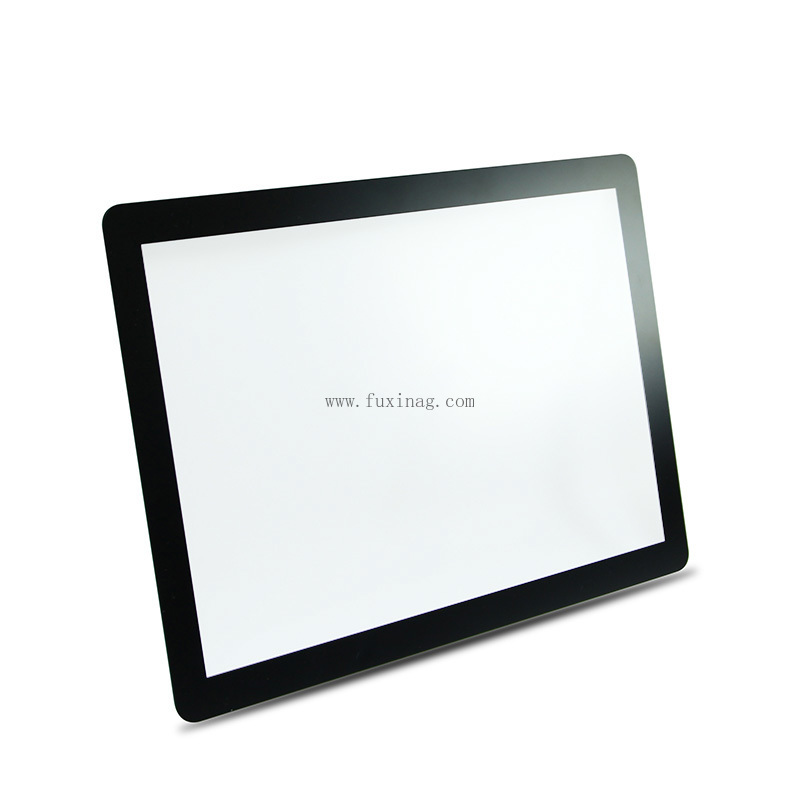
 Ultra Thin 0.55~1.5mm Small Size 7~26 inch Anti-Glare Cover Glass for Touch Display LCD OLED Screen
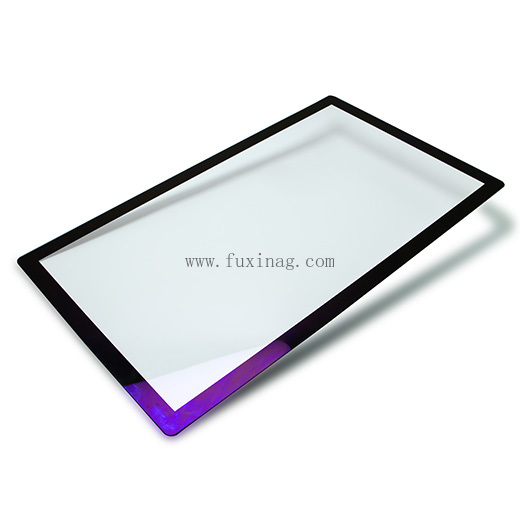 Customized 0.23~5mm Thick AG/Ar/Af Coated Glass Anti-Scratch Tempered Transparent Cover Glass for Electric Display Touch Panel
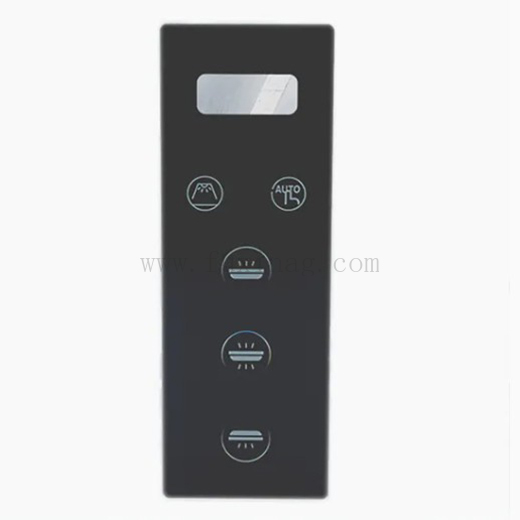 New Design 1mm-3mm Clear Tempered Glass for Elevator, Fingerprint Lock, Wall Mount Touch Switch Screen with AG/ Ar/ Af Coating
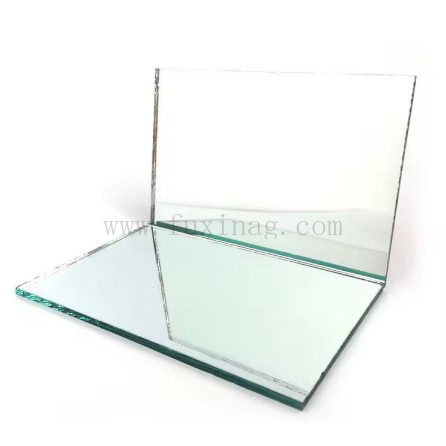 4~8mm Thick Safety/Tempered Glass Safety Mirror Glass for Wall Mirror Sports Gym Dance Studio
Innovative Custom Ag Cover Glass Solutions for High-End Smart Home Panels
Anti-glare (AG) cover glass is rapidly becoming an indispensable component in the evolution of smart home technology. Particularly in high-end smart home panels, where user experience hinges on crystal-clear visibility and durability, customized AG cover glass plays a pivotal role in enhancing interactive display interfaces.
With the smart home market projected to surpass $150 billion globally by 2027, the demand for tailored components that provide both aesthetic elegance and functional superiority is intensifying. The cover glass not only protects sensitive circuitry beneath but also ensures seamless user interaction by mitigating reflection, fingerprint smudges, and scratches.
Current Industry Landscape and Commercial Dynamics
High-end smart home panels embody the convergence of design sophistication and cutting-edge technology, often integrating voice controls, gesture sensing, and touch-capable displays for lighting, climate, security, and entertainment management. Against this backdrop, cover glass demand has shifted from generic solutions to specialized variants that confer distinct advantages.
Custom AG cover glass leveraged by top-tier manufacturers is tailored for precision thickness, hardness, and surface treatments such as anti-reflective (AR), anti-fingerprint (AF), and antibacterial coatings. This ensures panels can deliver vivid color fidelity under varying lighting conditions while maintaining durability for long-term domestic use.
- Growing consumer adoption of smart hubs requiring robust, responsive screens
- Premium aesthetics and tactile experience in luxury smart home devices
- Demand for energy-efficient displays, driving improvements in optical coatings
- Rising emphasis on durability and safety compliance in residential environments
Emerging Technological Trends Shaping AG Cover Glass Development
Recent technological advancements focus on pushing the limits of ultra-thin form factors, high light transmittance, and multi-functional coatings. Nanotechnology-enabled AG coatings are evolving to deliver nearly invisible matte finishes that significantly reduce glare without compromising screen sharpness.
Besides anti-glare, integrated anti-reflective layers minimize ambient reflections, while anti-fingerprint surfaces improve ease of maintenance—critical for smart home panels that are intuitive and frequently touched. The incorporation of tempered and chemically strengthened glass provides safety against impacts and accidental drops, critical in residential settings.
- Compatibility with capacitive and infrared touch technologies for multi-modal interaction
- Customizable silk-screen printing enabling on-glass icons, frames, and branding
- Specialized thermal-tempering for integration into embedded smart mirrors and kiosks
Deep Dive into Application Scenarios
In modern smart residences, AG cover glass is employed across a spectrum of high-end interfaces, including touchscreen lighting controllers, thermostat panels, security system interfaces, and voice-activated control hubs. These devices demand not only durability but exceptional optical clarity to render UI elements sharp and legible.
For instance, smart kitchen control panels require AG glass that balances anti-glare with moisture resistance to withstand steam and splashes. Similarly, home entry systems with fingerprint locks and facial recognition demand cover glass that optimizes sensor performance while providing a protective shield.
Furthermore, wall-mounted smart home panels designed with ultra-thin AG cover glass integrate seamlessly into modern interiors, contributing to minimalist aesthetics without bulky bezels or reflective distractions.
Commercial and Industrial Benefits
Deploying custom AG cover glass offers manufacturers and system integrators multiple advantages:
- Enhanced User Experience: Reduces eye strain by reducing glare and reflection under diverse lighting environments.
- Brand Differentiation: Tailored glass coatings and silk screen printing empower unique design identity for OEM partners.
- Operational Longevity: Highly resistant to scratches and fingerprints, lowering maintenance costs and preserving device value.
- Scalable Customization: Flexible thickness and coating options meet bespoke technical specs for varied smart panel architectures.
Looking Ahead: Industry Outlook and R&D Directions
Research continues to refine AG coating formulations for even greater durability and minimal environmental impact. Sustainable manufacturing practices and recyclable glass technologies are becoming priorities in response to global environmental commitments.
Innovations such as dynamically switchable anti-glare surfaces and integration of antimicrobial functionalities tailored for home health safety are emerging developments. Simultaneously, the push towards foldable and curved smart home panels requires adaptable glass substrates with precise AG coating uniformity.
Broadly, the evolution of customized AG cover glass for smart home panels exemplifies a trend towards marrying visual excellence with practical resilience, shaping the future of residential digital interfaces.
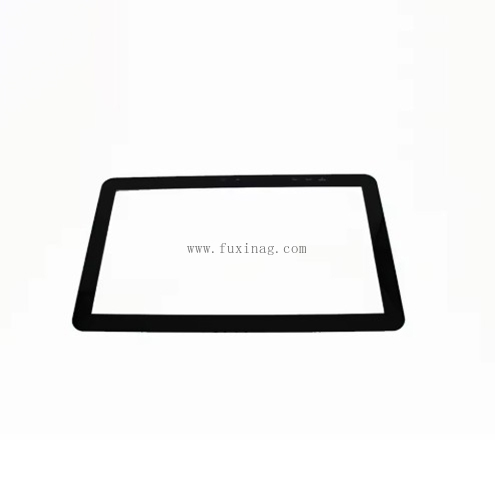 Tempered Glass 7 inch to 23 inch Small Size with Customized Design for LCD/OLED Display Front Cover Glass
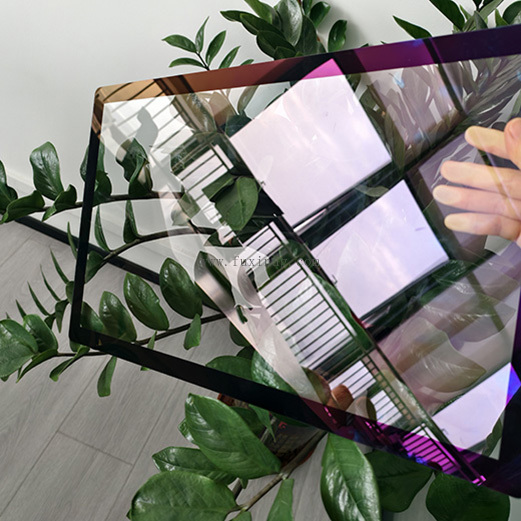 Single-Sided Anti-Reflective (AR) Cover Glass for Touch Display Panels 2mm Thickness High Transmittance HMI Control
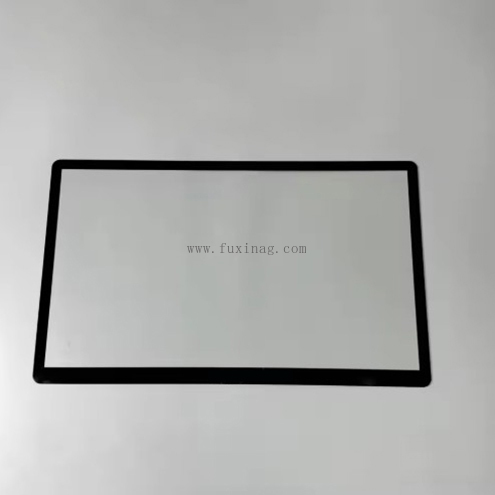 Low Cost Custom Size 7-26 inch Silk Screened Thermal Tempered Cover Glass for Industrial Decoration HD LCD
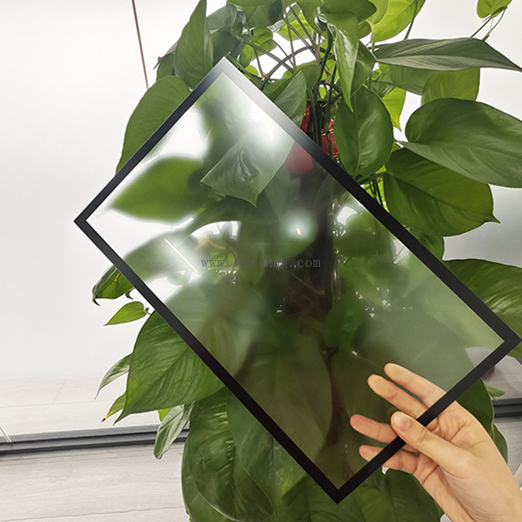 OEM 1mm Thickness AG Glass for Display Cover Glass Panel with Silk Screen Printing