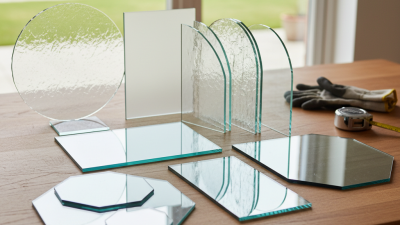
2026 Top Trends in Scratch Resistant Glass Innovations
In recent years, the demand for Scratch Resistant Glass has surged. This trend stems from its remarkable ability to maintain clarity and durability. John Smith, a leading expert in material science, emphasizes, “Scratch resistant surfaces can transform our daily interactions with technology.” His insights underline the importance of innovation in this field.
The evolution of Scratch Resistant Glass technology has led to new applications in various industries. From smartphones to automotive windshields, these advancements are reshaping user experiences. However, manufacturers face challenges. Balancing cost, quality, and environmental impact is no small feat.
As we look towards 2026, the integration of smart technologies with Scratch Resistant Glass is on the horizon. Yet, there is a need for reflection. Are we prioritizing longevity and sustainability enough? This ongoing quest for improved solutions invites both opportunity and responsibility.

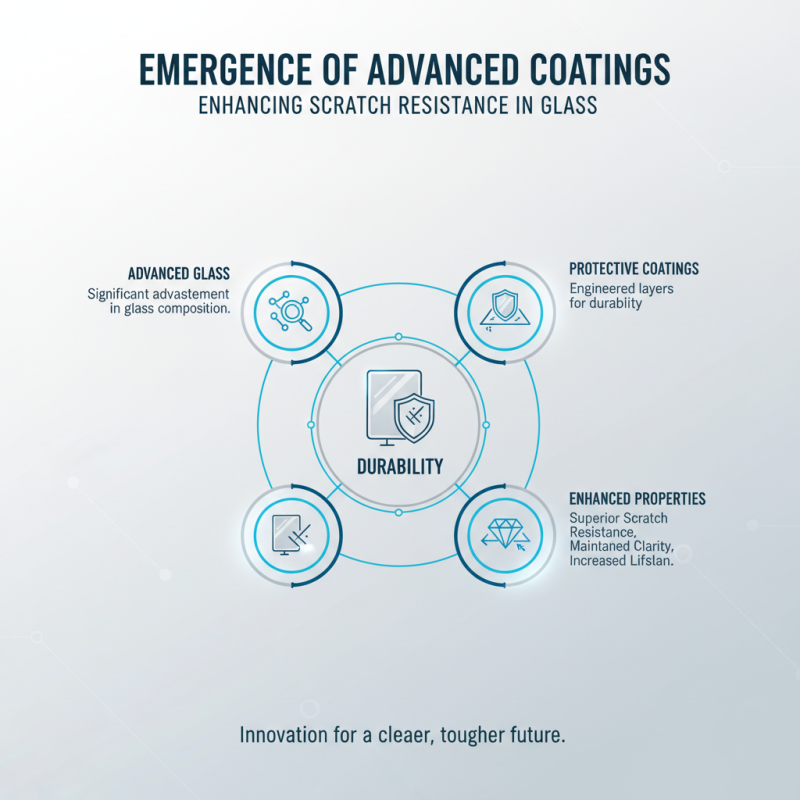
Emergence of Advanced Coatings: Enhancing Scratch Resistance in Glass
The advancements in glass technology have been significant. One of the most exciting trends is the development of advanced coatings. These coatings are designed to enhance scratch resistance in glass products. They allow for greater durability without sacrificing clarity.
Many new coatings utilize nanotechnology. This technology helps in creating a thin layer that protects the glass. These layers are incredibly resilient, but they still have limits. Over time, wear and tear can affect their effectiveness. Even the best coatings may lose some of their protective qualities.
Additionally, there are challenges in achieving uniform application. Not all surfaces adhere well to these new coatings. Companies are exploring various methods to improve consistency. There is still much to discover in this evolving field. Scientists and engineers are constantly working on innovative solutions. The quest for perfect scratch-resistant glass continues. Innovations are promising, yet there is room for improvement and further exploration.
Market Growth Projections: The Expanding Demand for Scratch Resistant Glass
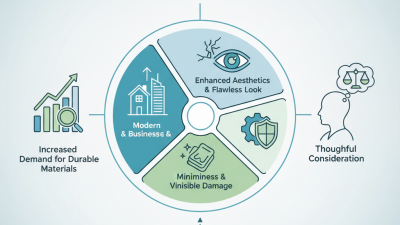
The demand for scratch resistant glass is witnessing remarkable growth. Industries are increasingly prioritizing durability and aesthetics. This trend is prominent in sectors like electronics, automotive, and architecture. Consumers want products that remain pristine and attractive over time. Scratch resistant glass is becoming essential in these markets.
Market projections indicate a steady increase in consumer interest. Many are willing to invest in higher-quality materials. Innovations are making this glass more accessible and affordable. Products with advanced coatings and treatments are entering the market. However, manufacturers still face challenges in maintaining quality while scaling production.
There is room for improvement in the industry. Sustainable practices are often overlooked. The environmental impact of production needs careful consideration. Companies should reflect on their sourcing and manufacturing processes. The future relies on balancing demand with responsible practices. Scratch resistant glass is not just about resilience; it's also about responsibility.
Innovative Materials: Exploring Ceramics and Polycarbonate Composites
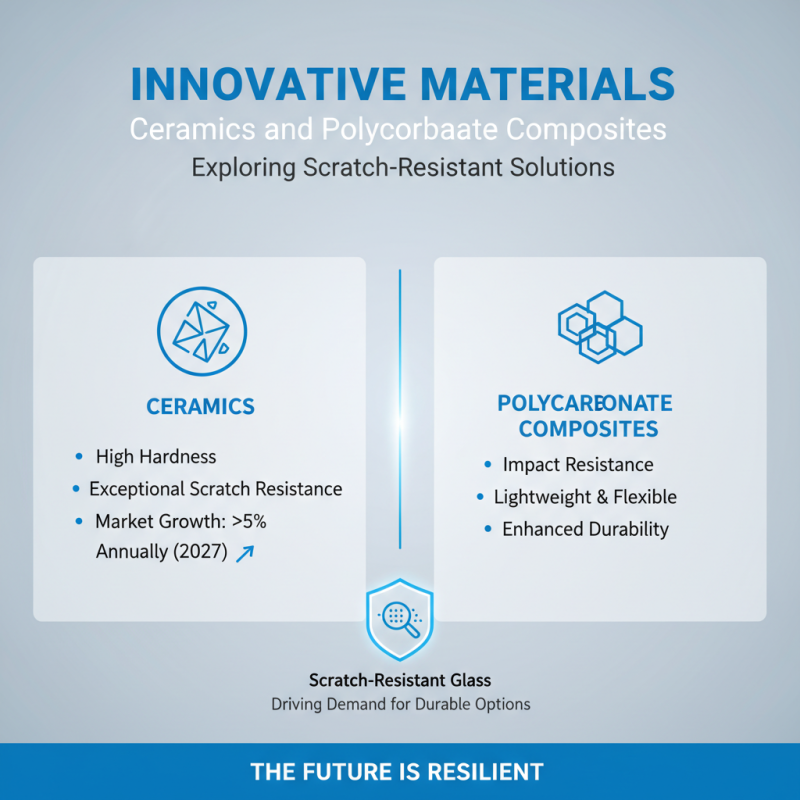
The demand for scratch-resistant glass has surged, leading to innovative materials in this field. Ceramics and polycarbonate composites are at the forefront of these developments. Recent industry reports predict that the ceramics market is expected to grow by over 5% annually through 2027. This growth highlights the increasing interest in durable options.
Ceramics offer impressive hardness and thermal stability. They can withstand scratches and high temperatures. However, their brittleness poses challenges. A small impact may cause cracks. Polycarbonate composites, on the other hand, provide a balance between strength and flexibility. They are shock-resistant and lighter than glass. In fact, a study indicates that polycarbonate can absorb more impact than traditional glass.
Yet, innovation comes with trade-offs. The production of these materials can be resource-intensive. Some techniques may lead to environmental concerns. Sustainability is becoming a priority, yet gaps remain in recycling methods for these advanced materials. Finding a balance between innovation and sustainability is an ongoing challenge in the industry.
Technological Advancements: Nanotechnology's Role in Scratch Resistance
Nanotechnology is shaping the future of scratch-resistant glass. Recent studies indicate that incorporating nanomaterials can significantly improve the durability of glass surfaces. For example, a report from Nano Glass Innovations shows that scratch resistance can increase by up to 300% when using advanced nanocoatings. These coatings create a robust barrier, preventing scratches from everyday use.
Despite these advancements, challenges remain. Not all nanomaterials prove effective in different environments. Some coatings may degrade under UV exposure or extreme temperatures. A recent survey indicated that 25% of manufacturers reported inconsistent performance in various conditions. This suggests a need for ongoing research and testing to ensure reliability.
The market for scratch-resistant glass continues to grow, projected to reach $6 billion by 2026. Consumers demand toughness alongside aesthetics. Technologies such as self-healing coatings are being explored, but they are still in early stages. Innovations in this field could address many limitations, ushering in a new era of durable glass solutions.
Sustainability Trends: Eco-friendly Innovations in Glass Manufacturing
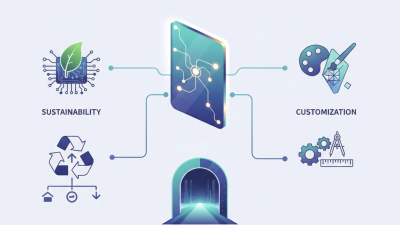
The glass manufacturing industry is witnessing a pivotal shift towards sustainability. Recent reports indicate that about 65% of consumers prioritize eco-friendly products. This preference pushes manufacturers to invest in innovative processes that reduce waste and energy consumption. For instance, implementing recycled materials in glass production can lead to a 20% reduction in CO2 emissions.
A focus on sustainable practices can yield great benefits. However, challenges remain. For example, sourcing recycled glass can be inconsistent. This inconsistency sometimes leads to higher costs for manufacturers. Additionally, achieving the right balance between durability and sustainability can be tricky.
Consumer expectations continue to evolve. Many seek transparency in sourcing and production methods. Unfortunately, not all manufacturers disclose their practices. This can create distrust among eco-conscious consumers. Companies should aim to be more open about their sustainability efforts. It’s crucial for establishing credibility in a competitive market.